
Building an effective strength training programme involves selecting exercises that support muscle development, improve physical performance and suit individual training goals. Both plate-loaded machines and free weights are widely used in commercial gyms, but they offer different advantages. Free weights allow users to perform movements with greater freedom, while plate-loaded machines generally guide exercises through a more controlled movement path. Understanding how these equipment types complement each other can help gym members and personal trainers create balanced workouts that develop strength across different muscle groups.
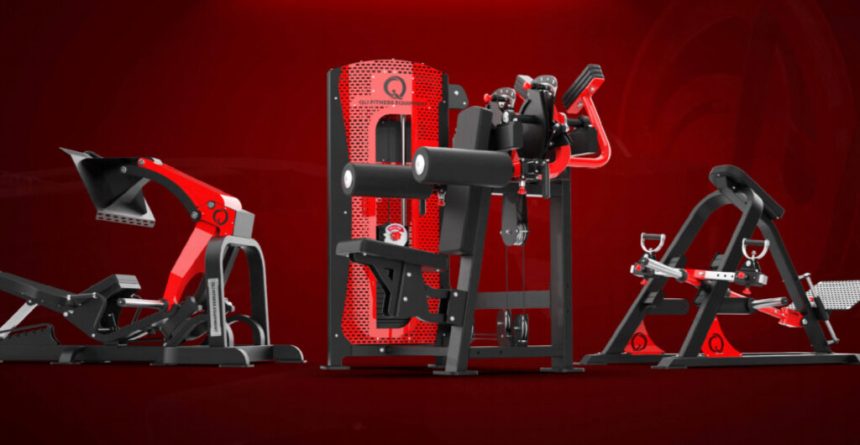
Rather than choosing between machines and free weights, many strength programmes benefit from incorporating both. The appropriate combination depends on training experience, exercise technique, available equipment and individual objectives. Gym owners and fitness enthusiasts exploring the QLI plate loaded machines range can compare different strength training machines to complement free-weight exercises and support a versatile training environment. By understanding how each equipment type contributes to resistance training, individuals can organise their workouts more effectively and make informed decisions about exercise selection.
Understanding the Role of Plate-Loaded Machines in Strength Training
Plate-loaded machines use removable weight plates to provide resistance during exercise. Unlike selectorised machines, which typically use a built-in weight stack, plate-loaded equipment requires users to add or remove plates to adjust the training load. These machines are commonly designed for movements such as chest presses, shoulder presses, rows, leg presses and other resistance exercises.
One advantage of plate-loaded machines is their guided movement path, which can help users maintain a more consistent exercise pattern. This may be useful when targeting particular muscle groups or performing additional sets after demanding free-weight exercises. However, machine design varies, and a fixed movement path does not automatically make an exercise suitable for every person. Seat positioning, handle placement and available adjustments should match the user’s body dimensions and mobility. Plate-loaded machines can be effective for building strength and muscle when exercises are performed with appropriate technique, resistance and progression. Their role within a programme should complement other movements rather than replace exercises solely because they feel easier to control.
How Free Weights Support Movement and Stability
Free weights include dumbbells, barbells and kettlebells, which allow resistance to move through a wider range of directions than many fixed-path machines. Exercises such as squats, deadlifts, presses and rows require users to control the weight while maintaining appropriate body positioning. Depending on the movement, this can involve coordination between several muscle groups.
Free-weight exercises can be valuable for developing strength in movements that require balance, coordination and control. However, they also demand attention to technique, particularly when lifting heavier loads or performing unfamiliar exercises. Beginners may benefit from learning basic movement patterns with manageable resistance before progressing to more demanding variations. Free weights are not automatically superior to machines for every training objective. Both can provide sufficient resistance for muscle development when used appropriately. The most suitable choice depends on factors such as experience, physical limitations, available space and the intended exercise outcome. Combining both equipment types allows individuals to benefit from different resistance training approaches.
Choosing the Right Exercises for Upper Body Development
Upper body strength programmes commonly include pushing and pulling exercises that target the chest, shoulders, back and arms. Free-weight movements such as dumbbell bench presses, overhead presses and bent-over rows can provide opportunities to develop strength while controlling resistance through different movement patterns.
Plate-loaded machines can complement these exercises by providing additional training options for similar muscle groups. For example, a workout may begin with a dumbbell bench press before moving to a plate-loaded chest press for further chest and triceps training. Similarly, free-weight rows may be combined with a plate-loaded rowing machine to increase back training volume. Exercise selection should consider the movement patterns already included in the programme to avoid unnecessary repetition. Individuals should also balance pushing and pulling exercises rather than concentrating exclusively on chest or shoulder development. Using a combination of equipment can provide variety while allowing users to select movements that feel comfortable and suit their training goals.
Combining Machines and Free Weights for Lower Body Training
Lower body strength training typically focuses on major muscle groups, including the quadriceps, hamstrings, glutes and calves. Free-weight exercises such as squats, Romanian deadlifts and lunges can be used to develop strength across several joints and muscle groups. These movements also require appropriate balance and control throughout the exercise.
Plate-loaded leg presses, hack squat machines and other lower body equipment can provide additional resistance training opportunities. For example, an individual may perform barbell squats as a primary exercise before completing leg presses to increase quadriceps training volume. Another session might combine Romanian deadlifts with a suitable machine-based leg exercise. The aim is to select exercises that complement each other without creating excessive fatigue. Machine exercises should not be treated as direct replacements for every free-weight movement because resistance profiles, joint positions and muscle demands can differ. Individuals with existing injuries or movement limitations should seek appropriate professional guidance when selecting exercises. A balanced lower body programme should account for strength, technique, recovery and the individual’s ability to perform each movement comfortably.
Planning Exercise Order for Effective Strength Sessions
Exercise order can influence training performance because fatigue accumulates throughout a workout. Movements requiring greater coordination, technical control or high levels of effort are often performed earlier in a session, when the individual is less fatigued. This may include compound free-weight exercises such as squats, presses or deadlift variations.
Plate-loaded machines can then be incorporated later in the session to provide additional resistance training for targeted muscle groups. For example, a strength workout might begin with a barbell bench press, continue with a plate-loaded chest press and finish with smaller accessory exercises. However, this order is not a universal requirement. Someone prioritising a particular machine exercise may reasonably perform it first, while beginners may benefit from practising technique before attempting heavier movements. The most effective sequence depends on the programme’s primary objectives and the exercises involved. Adequate rest between demanding sets is also important for maintaining performance. Planning the session in advance can help individuals manage fatigue and avoid unnecessary changes to their exercise routine.
Managing Training Volume, Resistance and Recovery
Training results depend on more than the type of equipment used. Resistance, exercise volume, frequency and recovery all influence how the body responds to strength training. Progressive overload involves gradually increasing training demands as strength and exercise capacity improve. This may include adding resistance, performing additional repetitions or increasing the number of challenging sets.
Both free weights and plate-loaded machines can support progressive overload when resistance is adjusted appropriately. However, increasing weight too quickly may compromise technique or create unnecessary fatigue. Individuals should select loads that allow controlled movement while providing a suitable level of challenge. Training volume should also reflect experience and recovery capacity. Completing excessive sets across several similar exercises does not necessarily produce better results. Adequate sleep, nutrition and rest between demanding sessions support recovery and adaptation. Beginners may benefit from starting with a manageable number of exercises and gradually increasing workload as their tolerance improves. Monitoring performance, fatigue and discomfort can help determine whether adjustments are needed.
Creating a Balanced Programme for Different Experience Levels
The most suitable combination of plate-loaded machines and free weights depends on the individual’s experience and training objectives. Beginners often benefit from straightforward exercise selections that allow them to practise fundamental movement patterns and develop confidence. Machines may provide useful training options, while manageable free-weight exercises can introduce balance and coordination requirements.
More experienced individuals may use a wider selection of exercises to target specific strength or muscle development goals. For example, a programme may include heavier compound free-weight movements alongside plate-loaded exercises that provide additional training volume. However, advanced training does not necessarily require more complicated equipment combinations. Consistency, appropriate progression and exercise quality remain important at every experience level. Gym owners and personal trainers should also consider equipment accessibility, adjustment options and the needs of different members when planning training spaces. Providing both machine-based and free-weight training opportunities can help accommodate a broader range of preferences and abilities. Programmes should be reviewed periodically to ensure they remain appropriate as strength, experience and personal goals change.
Conclusion
Plate-loaded machines and free weights can work together effectively within a balanced strength training programme. Free weights provide opportunities to develop strength through movements requiring coordination and control, while plate-loaded machines offer additional resistance training options with guided movement paths. Neither equipment type is universally better, and both can contribute to muscle development when used with appropriate technique and progression.
Combining these equipment types allows individuals to create varied workouts that support different muscle groups and training objectives. The most effective approach involves selecting suitable exercises, organising sessions carefully and allowing adequate recovery between workouts. By considering individual experience, movement requirements and long-term goals, gym members and trainers can develop practical strength programmes that make effective use of both plate-loaded machines and free weights.

Lynn Martelli is an editor at Readability. She received her MFA in Creative Writing from Antioch University and has worked as an editor for over 10 years. Lynn has edited a wide variety of books, including fiction, non-fiction, memoirs, and more. In her free time, Lynn enjoys reading, writing, and spending time with her family and friends.