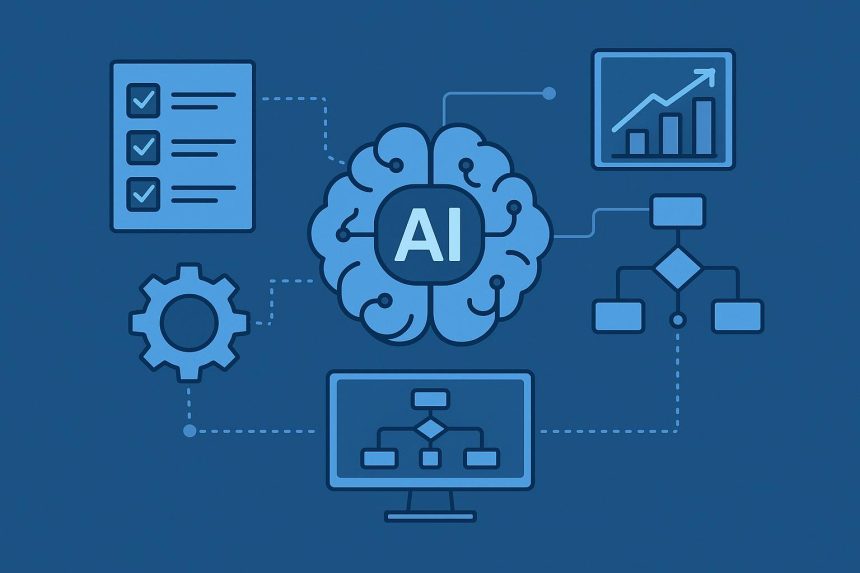
Efficient operations rely on well-structured processes that move tasks forward without delays or confusion. Automation platforms designed for business workflows help reduce manual work while keeping processes consistent and traceable. Choosing the right platform depends on understanding which features directly support control, accuracy, and adaptability in everyday operations.
When evaluating solutions for AI business process automation, attention should remain on features that improve workflow clarity and reduce operational gaps. A capable platform should support structured execution, clear data handling, and seamless coordination between systems. These elements ensure that automation delivers reliable and predictable results across different processes.
Core Capabilities That Support Reliable Automation
Workflow Design And Flexibility
A practical workflow builder allows processes to be created and adjusted without unnecessary complexity. Visual editors with clear logic paths help define each step, condition, and outcome. Flexible design ensures workflows can match actual business requirements without forcing rigid or limited structures.
Integration With Existing Systems
Automation depends on consistent data flow between tools and platforms. Strong integration capabilities, including API support and ready connectors, allow systems to communicate without interruptions. This ensures that data moves accurately across applications and reduces the need for manual updates.
Data Handling And Accuracy Controls
Reliable automation requires precise data processing at every stage. Features such as validation rules, structured inputs, and error handling help maintain data quality. These controls prevent incorrect actions and ensure that workflows operate based on accurate information.
Advanced Features That Enhance Long-Term Value
Monitoring And Process Visibility
Clear visibility into automated workflows helps track progress and identify issues early. Dashboards and activity logs provide a detailed view of task execution and performance. This allows teams to understand how processes run and where adjustments may be required.
Security And Access Management
Automation platforms sometimes handle sensitive business data, making controlled access essential. Role-based permissions, audit logs, and encryption protect information and define user responsibilities. These features ensure that only authorized actions are performed within workflows.
Scalability And Performance Stability
Automation systems should maintain consistent performance as workload increases. Scalable platforms handle growing task volumes without slowing down or causing disruptions. This stability ensures that workflows remain efficient even as operational demands expand.
Customization And Rule Configuration
Different processes require specific rules and conditions to function correctly. Platforms that allow detailed customization enable workflows to match exact operational needs. Configurable logic ensures that each automated step follows clearly defined criteria.
During the evaluation process, the importance of AI business process automation becomes clearer through how these features support structured and dependable workflows. Platforms that combine flexibility with control help maintain consistent execution across processes.
Support And Maintenance Features
Ongoing support and system updates keep automation platforms reliable over time. Access to documentation and troubleshooting tools helps resolve issues without delays. Regular maintenance ensures that workflows continue to function as requirements change.
Selecting a platform based on these features helps build a strong foundation for process automation. Each capability should contribute to accuracy, control, and smooth execution, ensuring that workflows remain efficient and aligned with operational needs. A clear focus on these features also supports consistent performance as processes expand or evolve.

Lynn Martelli is an editor at Readability. She received her MFA in Creative Writing from Antioch University and has worked as an editor for over 10 years. Lynn has edited a wide variety of books, including fiction, non-fiction, memoirs, and more. In her free time, Lynn enjoys reading, writing, and spending time with her family and friends.