Key Takeaways
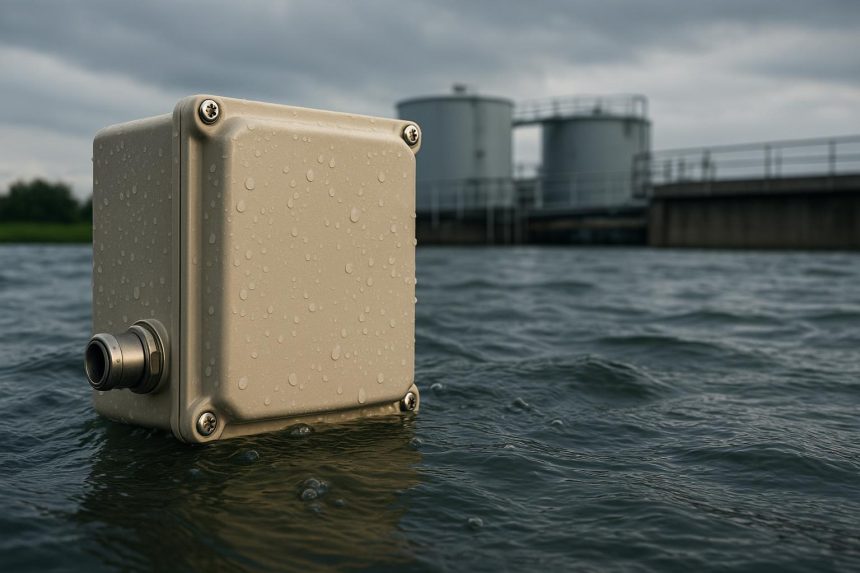
NEMA 6P denotes high-pressure water jet resistance and the ability to be submerged, which is essential for ensuring operational reliability in water treatment facilities.
When compared to other ratings such as NEMA 4 and 5, NEMA 6P outshines these options by delivering comprehensive immersion protection, making it a necessity for industries located near water bodies.
IP68 reflects an enclosure’s capability to fend off dust and withstand continuous immersion in water, which is critical for the longevity of equipment in water treatment operations.
Without proper IP68 protection, equipment risks damage and the potential for contamination, jeopardizing both finances and the integrity of operations in water treatment facilities.
When selecting enclosures, factors like material choice, sealing methods, thermal performance, and mounting options must be thoughtfully considered to ensure safety and effectiveness.
Real-world applications reveal that utilizing NEMA 6P and IP68 protections can completely eliminate water damage-related equipment failures.
Regular maintenance and inspection of enclosures are vital best practices that keep water treatment facilities equipped to face flooding challenges.
Unraveling NEMA 6P: The Gold Standard for Flood Protection
What Does NEMA 6P Really Mean for Your Equipment?
NEMA 6P, a well-known designation across industries, signifies an enclosure designed for harsh conditions. This rating means equipment can endure high-pressure water jets and prolonged submersion without risk. For water treatment facilities relying on steady operation, this assurance of reliability is essential. Experts often highlight that the difference between operational efficiency and catastrophic equipment failure can hinge on having NEMA 6P-rated gear.
The core of NEMA 6P is found in its strict testing protocols. Products undergo rigorous evaluations that mimic real-world situations faced in flooded environments. Consider this: a water treatment facility caught in a flood isn’t just facing operational risks; public health may also be at stake. Thus, businesses choosing NEMA 6P flood protection are making a savvy investment.
Comparing NEMA Ratings: Why 6P Stands Out
Not all NEMA ratings hold the same weight. NEMA 6P distinctly differentiates itself from options like NEMA 4 or 5 by providing superior waterproof capabilities. NEMA 4 may handle limited water exposure while NEMA 5 primarily addresses dust. The key distinction? NEMA 6P can endure total immersion.
When water pressure is a concern—during heavy rainfall or operational mishaps—NEMA 6P emerges as a critical line of defense. For industries situated near water bodies or those utilizing submersible pumps, opting for the 6P rating is often a must.
IP68 Rating: More Than Just a Number
Defining IP68: Importance in the Water Treatment Industry
IP68 represents “Ingress Protection,” a global benchmark that underscores an enclosure’s resistance to dust and moisture. Specifically, the “68” indicates it can endure continuous immersion beyond 1 meter of water. What does this entail for the water treatment sector? The implications are significant.
Without IP68 protection, equipment stands at a considerably higher risk of damage during standard operations. Just imagine an electrical cabinet malfunctioning due to moisture intrusion while performing maintenance. Such events can cause operational delays and may endanger the entire water purification procedure.
- Continuous immersion in water: Critical for deep-water applications.
- Total dust protection: Essential for maintaining functionality in environments with heavy dust.
- Safe operations: Utilizing IP68-rated components guarantees compliance with safety regulations.
What Can Go Wrong Without IP68 Protection?
Envision a water treatment facility where equipment is frequently exposed to floods or water splashes. Without the buffer of IP68, the likelihood of failure escalates dramatically. Regular components could suffer corrosion, resulting in costly repairs or complete replacements. Beyond that, contamination risks increase. Impurities from wastewater or other sources may escape through faulty enclosures, prompting a host of operational challenges.
“Investing in IP68-rated equipment isn’t just wise – it’s crucial for water treatment facilities.”
Neglecting the significance of this rating could lead to disastrous consequences. Poor conditions may inadvertently create not just operational headaches but also substantial financial setbacks along the way.
Choosing the Right Enclosures: Key Considerations
Essential Features of Industrial Submersible Enclosures
Picking an enclosure for critical infrastructure involves more than merely selecting the first option that comes along. Identifying essential features is imperative to guarantee safety and functionality.
- Material composition: Seek out high-quality materials like stainless steel or reinforced plastics designed to resist corrosion.
- Sealing mechanisms: Ensure the presence of appropriate gaskets and seals that align with NEMA 6P and IP68 standards for optimal protection.
- Thermal effects: Equipment should sustain its performance across a broad temperature range.
- Mounting options: Flexible mounting capabilities guarantee adaptability for varying installations.
How to Evaluate Enclosure Durability and Reliability
For assessing durability, experienced professionals recommend comprehensive reviews of product specifications. Clients typically take into account operational histories and performance benchmarks. A solid warranty often reflects positively on a product’s dependability. Key signs of a robust enclosure include:
- Testing certifications: Products should come with independent certifications confirming compliance with mentioned standards.
- User reviews and case studies: Feedback from end users can reveal real-world performance metrics.
- Vendor reputation: Well-established brands usually demonstrate greater longevity.
Choosing the right enclosure with these considerations can substantially reduce long-term risks that may otherwise result in failures.
Real-World Applications: Success Stories in Flood Mitigation
Case Studies: Effective Flood Protection in Action
The successful adoption of NEMA 6P and IP68 enclosures across various facilities highlights their undeniable value. One remarkable case involved a wastewater treatment plant close to a flooding-prone river. After upgrading to NEMA 6P/IP68 flood protections, the facility experienced a 100% reduction in equipment failures caused by water damage.
This improvement not only cut significant repair costs but also enhanced overall operational efficiency. Another instance featured a municipal water treatment facility facing frequent maintenance shutdowns due to flooding. Post-upgrade, the interruptions greatly reduced, enabling smoother operations and improved service to the community.
Lessons Learned: Best Practices in Water Treatment Facilities
Insights gained from these success stories highlight the value of robust flood protection. Regular maintenance paired with consistent assessments of enclosure integrity ensures operations run smoothly. Water treatment facilities could greatly benefit from implementing routine inspection schedules for enclosures, ensuring compliance with necessary standards.
- Implementing training sessions: Educating staff about the importance of enclosure integrity is essential.
- Procurement strategies: Emphasize acquiring equipment with verified ratings such as NEMA 6P and IP68.
- Assessing environmental conditions: Tailor choices based on specific local flood risks.
Highlighting these best practices reinforces a dedication to infrastructural resilience. NEMA 6P/IP68 flood protection emerges as an industry standard, demonstrating a keen understanding of the unique challenges encountered in water treatment.
FAQ
What are the main industries that benefit from NEMA 6P and IP68 ratings?
A wide range of industries benefits from NEMA 6P and IP68 ratings, particularly those that directly deal with water. This includes sectors such as sewage treatment, hydroelectric power generation, and agriculture. Moreover, marine environments, chemical processing plants, and any facility frequently exposed to moisture find these ratings indispensable for maintaining equipment integrity.
How do NEMA 6P and IP68 ratings affect maintenance protocols?
Ultimately, these ratings shape maintenance strategies by establishing rigorous inspection schedules that ensure enclosures remain watertight and dust-resistant. Professionals frequently discover that regular evaluations of seals and materials are critical for maintaining operational efficiency and minimizing costly downtimes.
Can NEMA 6P and IP68 enclosures be customized for specific applications?
Definitely. Numerous manufacturers provide customization options for enclosures, enabling clients to tailor aspects such as size, mounting configurations, and materials to fulfill unique application requirements. This customization guarantees that the specific needs of any facility are addressed without sacrificing reliability.
What role do weather conditions play in selecting flood protection ratings?
Weather conditions heavily influence the selection of flood protection ratings. Facilities located in regions prone to significant rainfall, flooding, or extreme temperatures necessitate NEMA 6P and IP68 standards to assure the longevity of equipment. Consequently, conducting environmental assessments prior to decision-making can enhance protective measures against adverse conditions.
How long can an enclosure with NEMA 6P and IP68 ratings typically last?
The lifespan of an enclosure is affected by several factors, including usage conditions and material quality. Generally, high-grade enclosures boasting NEMA 6P and IP68 ratings can endure many years—often surpassing a decade—when appropriately maintained. Clients frequently report reduced wear and tear with investments in sturdy enclosures.
What impact can frequent flooding have on water treatment facilities without proper shielding?
Continuous flooding without adequate protection can result in devastating equipment failures, costly repairs, and potential operational shutdowns. Additionally, contamination risks may pose serious public health threats, underscoring the critical importance of NEMA 6P and IP68 safeguards in such environments.
How frequently should facilities perform inspections on equipment rated with NEMA 6P and IP68?
Experts generally suggest inspections occur at least every six months, or more often in high-risk settings. Regular assessments help identify wear and tear, ensure seal integrity, and uphold protective performance—keeping operations running seamlessly.
What trends are emerging in flood protection standards and technologies?
Emerging trends encompass the adoption of smart technologies for real-time monitoring of enclosure conditions. Additionally, the development of environmentally sustainable materials is gaining momentum, providing longevity while minimizing environmental impacts. Facilities are increasingly leaning toward solutions that merge sustainability with robust protection, indicating a shift in industry priorities.

Lynn Martelli is an editor at Readability. She received her MFA in Creative Writing from Antioch University and has worked as an editor for over 10 years. Lynn has edited a wide variety of books, including fiction, non-fiction, memoirs, and more. In her free time, Lynn enjoys reading, writing, and spending time with her family and friends.