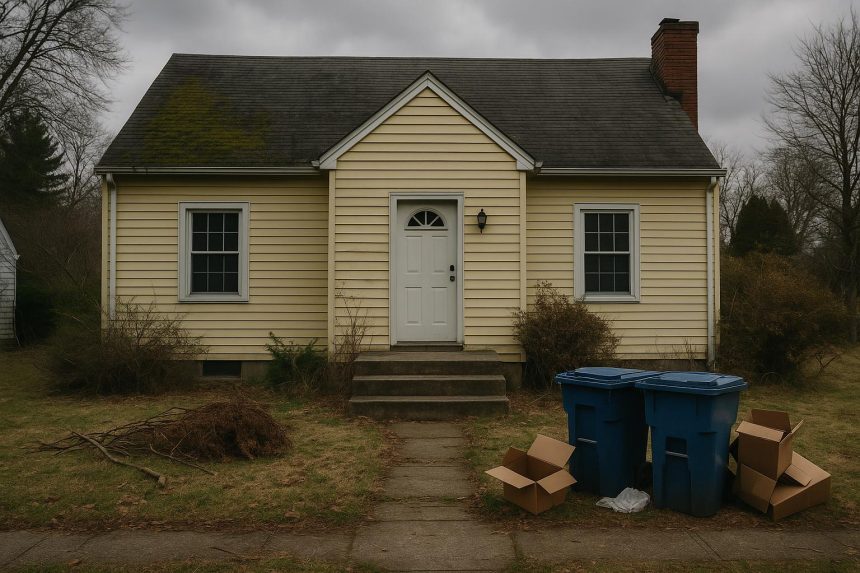
People believe that the failure to age in place is due to the body giving out, that the individual is no longer capable and the home environment is therefore unsafe. However, research shows that it works the other way around: the home is influencing the body and the wrong environment is accelerating the inevitable changes in the body.
Why home is a health variable, not just a passive backdrop
Approximately 3/4 of seniors would prefer to be in their own home as they age, but what many families don’t realize is that their homes are designed for the able-bodied, 40-something and 50-something. Not the 70-something and 80-something with a slower gait, decreased grip strength and altered depth perception.
The discrepancy between what a body can do and what its home requires is the focus of several decades of research on the effects of the environment on the aging process. The most salient conclusion may be unexpectedly simple and straightforward: the physical dwelling in which a senior resides is in fact a health variable, one that can be modified to affect a senior’s physical functionality.
Lawton and Nahemow’s ecological model of aging and what it predicts
The theory behind this practical application is known as the ecological model of aging, developed by Lawton and Nahemow in their attempt to describe how a person’s environment affects their functionality. They theorized that a person’s health status in the home environment is determined by the interaction of the individual’s competence and his environment’s environmental press, or the demands on a person made by the environment.
Environmental press can include stairs, lip of the bathtub, cluttered hallways or poorly lit staircases, all of which are not a problem for a healthy and physically competent individual but present challenges for a senior with a weakened musculoskeletal system.
According to the ecological model, the combination of increased environmental demands and decreased individual competence will lead to a specific set of consequences. Namely, seniors will be unable to meet the expectations imposed on them by the environment, leading to stress, avoidance of certain tasks and, ultimately, functional decline. The senior will cease attempting to use the second-floor bathroom and will, consequently, stop using the second floor altogether and be limited to the area of the first floor that they can access.
Lawton’s docility hypothesis predicts that the lower an individual’s level of competence, the greater the impact on their functionality will be. For example, an 8-inch tub lip, which would be an inconvenient but manageable obstacle for a physically competent senior, will become a disabling factor for a senior with weakened lower body strength, decreasing their mobility and ability to do everyday tasks. The home environment becomes a limiting factor for physical activity.
The fall risk loop and how it can be interrupted
Every year, one out of four Americans age 65 and older will suffer a fall, making falls the leading cause of fatal and non-fatal injuries in older Americans, according to the STEADI initiative by the CDC. Most people are familiar with the consequences that a fall can have on the physical health of a senior but fewer people are aware of the physiological decline that can follow a fall.
Post-fall syndrome is the name given to the condition that occurs when fall-related fear takes over a senior’s mind, robbing them of their mobility and confidence to move around their environment. Although post-fall syndrome can begin with a legitimate danger (the fear of falling in the bathroom) the consequences of post-fall syndrome itself are detrimental to a senior’s health since the restrictions imposed on them by post-fall syndrome can lead to a decrease in muscle mass and power due to disuse (sarcopenia).
Breaking the fall-risk loop requires a targeted and individual approach, which is why it’s always advisable to consult healthcare professionals when dealing with falls. The loop can be interrupted at any point, from adjusting medications to working on leg strength, which will in turn prevent post-fall syndrome. However, the only intervention that directly addresses the fall risk experienced by seniors in their own homes and the confidence to move around their environment is environmental modification. It works by addressing the self-efficacy component, which is an integral part of a person’s ability to be physically active despite the limitations imposed by their age.
How modification of the home environment restores self-efficacy
Self-efficacy is one of those concepts that has been proven to affect almost everything in a person’s life, from the ability to perform the activities of daily living to the willingness to attempt challenging tasks. Self-efficacy is the belief that one can complete a task, which is a concept Bandura demonstrated through a series of experiments, and it plays an important role in fall prediction and intervention.
A senior’s determination to get up and walk to the bathroom at night is influenced by their perception of the risk of falling during that endeavor. If they perceive the bathroom to be a safe environment, they will get up and walk to it; if not, they will stay in bed. Adding a grab bar to the toilet and the bathtub transforms the previously unsafe bathroom into a safe one, restoring self-efficacy. This principle extends to other modifications: A senior will perceive their home environment to be safe when given the tools to accomplish tasks while minimizing their risk, and their belief in their ability to do so will enable them to do it.
Having a trained professional consult with the senior early on ensures that the most crucial modifications have been prioritized, which is why the science-focused fall prevention strategies of home modification are invaluable to the long-term health and independence of an aging individual.
The environmental factors that affect seniors’ ability to age in place
Many of the home modifications that help seniors to age in place are predicated on the principle of reducing errors, as errors in judgement or perception can lead to falls and functional decline.
Bright and consistent lighting throughout the house reduces errors associated with the decreased depth perception of the aging eye. An aging eye cannot distinguish between objects as well as a young eye can, and poor lighting exacerbates this issue, creating potential fall-inducing hazards such as uneven steps.
Clear paths of travel are another obvious factor in preventing falls, but many people are surprised by how much of a risk clutter poses to seniors. Anything that a senior has to maneuver around or over has the potential to cause a fall, and clutter removal should be a high priority in creating a fall-prevention environment.
Marked edges are an obvious and easily incorporated fall prevention measure but many people are surprised at the extent to which these small changes affect the safety of the aging and infirm. Contrast on stair edges alerts the senior to the edge of a step, informing them of the change in level.
The bathroom, the most hazardous room in the home, should receive special attention when being made safe for seniors. Non-slip mats, no-threshold showers and grab bars are all modifications that take into account the increased risk of falls in the bathroom environment, which already has the highest rate of falls in the home.
Lighting and the circadian rhythm in the home environment
One factor that many seniors’ home modification programs ignore is the amount of light in the home and its effect on the circadian rhythm of the senior. The circadian rhythm of an older adult is intrinsically different from that of a younger adult, and the production of melatonin is harder to regulate.
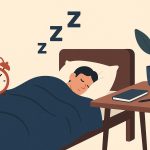
A home that maximizes the amount of light coming into it, particularly natural light, and is structured to support the circadian rhythm of the senior residing in it will provide them with the best possible support for sleep health. Good sleep is vital to the health of a senior, as the body heals itself primarily during sleep periods, reducing the risks associated with falls, illness and other stress factors.
Seniors who reside in darker interiors, which tends to be the case when they are limited to a few rooms due to their environment not being adapted to their needs, tend to have poorer circadian regulation, which negatively impacts sleep and, by extension, their overall health and fall risk. The connection between lighting levels in the home environment and falls is not a coincidence but rather an established physiological link.
Creating a family care notebook that operationalizes the science
Being able to recognize the mechanisms that contribute to falls is an important skill but it is not enough to ensure the safety of a senior, because understanding falls is one thing but operationalizing the science to deal with them is an entirely different challenge.
A popular tool among caregivers, the family care notebook allows families to gather relevant information about the care recipient in one location, making it easier to share important details with a home care provider and ensure that no important task is neglected. Most families that create a family care notebook are satisfied with the basic version that involves medication and physician lists, among other staples of traditional caregiving. However, the practical application of research on the effects of the environment on the aging process suggests that the notebook can be used to track additional valuable information.
First and foremost, a good family care notebook will have a home safety log that keeps track of all modifications and potential hazards in the senior’s environment. This helps to ensure that the needs of the aging person are being consistently met in a changing environment and helps the family to see where the senior is struggling. It is important to remember the concepts of environmental press and self-efficacy when reviewing the notes, because as long as the senior is avoiding certain areas or struggling with specific aspects of the home environment, these things are limiting factors in their ability to age in place.
If an occupational therapy assessment has been performed, it is important to keep track of it in either the medical or the home safety section of the notebook, depending on the notebook’s organization. An occupational therapist is a qualified medical professional who can make recommendations on the home environment based on the patient’s needs, which is why their assessment should be regarded as valuable information for the modification of the senior’s environment. The section on the home environment should be reviewed as often as the medication list is, because it informs the caregivers about the needs of the senior in terms of the home environment, which must be adjusted as the senior’s needs change.
When to seek professional help in fall prevention
The modification of a senior’s environment is a valuable and necessary step in fall prevention but it only addresses the issues that can be resolved by making the home safe.
Unexplained bruises, loss of appetite, indications of decreased personal hygiene, and seniors limiting themselves to areas of the home that they previously avoided are just some of the signs that a senior is struggling with needs that environmental modification alone has not addressed.
At this point, families should seriously consider what level of professional help they need to bring in to assist the senior.
The right assistance can provide companionship and physical help that no grab bar can replace, and a family care notebook becomes an invaluable tool to help the incoming professional caregivers get to know the patient’s needs. This is an important time to involve professional caregivers since their presence will ensure that the senior is able to receive the help they are unable to gain from their families, which will be critical to the quality of their life.
Keeping the environment assessment current
The living environment that a senior occupied a year and a half ago may no longer be suitable for them due to mobility changes.
The loss of mobility can be slow and steady or it can take place over a matter of days or weeks following a fall or a hospitalization. Environmental psychology shows that the demands of the senior’s living space must be reassessed anytime a change in their mobility capacity is observed. It is important to note the changes in mobility and, based on them, reassess the demands of the environment, making adjustments when necessary.
The family should make note of areas where the senior moves more slowly or uses caution, as these places will require modification or attention to reduce the environmental pressure on the senior. The observations can be recorded in a family care notebook along with other relevant health information and will help to determine when the next round of modifications should take place. As previously stated, the living environment is either a facilitating or a restraining force and the family must ensure that it is not the latter.

Lynn Martelli is an editor at Readability. She received her MFA in Creative Writing from Antioch University and has worked as an editor for over 10 years. Lynn has edited a wide variety of books, including fiction, non-fiction, memoirs, and more. In her free time, Lynn enjoys reading, writing, and spending time with her family and friends.