Your shoes do more than complete an outfit. They affect how your feet feel, how your body aligns, and whether you experience pain throughout the day. Understanding the differences between orthopedic and regular footwear can help you make the right choice for your feet.
What Sets Orthopedic Shoes Apart
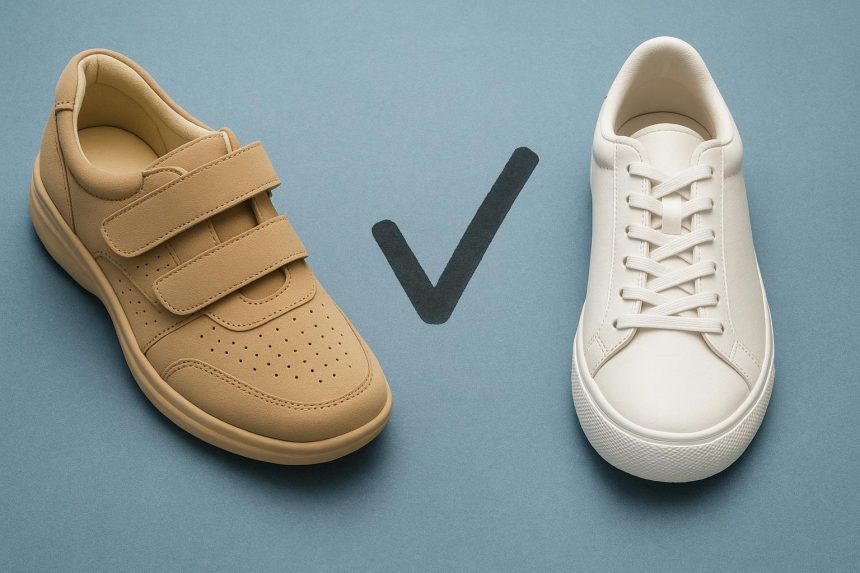
Regular shoes prioritize style and general comfort. They provide basic cushioning and flexibility but often lack the structural support needed for specific foot conditions. Most regular footwear focuses on aesthetics over therapeutic function.
Orthopedic shoes are engineered differently. They feature contoured insoles, enhanced arch support, and shock-absorbing materials designed to promote proper foot alignment. The construction includes wider toe boxes to prevent pressure on bunions and other deformities. They also have deeper heel cups that stabilize the foot and reduce strain on joints.
These shoes use durable materials built to withstand long-term wear while maintaining their supportive properties. Many designs include removable insoles that allow wearers to add custom orthotics if needed.
Key Benefits of Orthopedic Footwear
The primary advantage of orthopedic shoes is targeted support. They distribute body weight evenly across the foot, minimizing pressure points that cause discomfort. The advanced cushioning absorbs impact with each step, reducing stress on feet, ankles, knees, and hips.
Proper alignment is another crucial benefit. Standard shoes may allow arches to collapse or place undue pressure on certain areas of the foot. Orthopedic footwear maintains your feet in their natural position, which improves posture and reduces pain throughout your lower body.
For people with chronic conditions, these shoes offer relief that regular footwear cannot provide. The American Academy of Orthopaedic Surgeons notes that proper footwear plays an essential role in managing foot problems and preventing complications.
Who Should Consider Orthopedic Shoes
Certain foot conditions respond particularly well to orthopedic footwear. People with plantar fasciitis benefit from the enhanced cushioning and arch support that reduces strain on the plantar fascia. Those with bunions need the wider toe boxes found in best orthopedic shoes for women and other specialized designs.
Flat feet require substantial arch support to prevent pain and fatigue. Without proper support, flat feet can lead to discomfort in the knees and back over time. Individuals with diabetes need protective footwear that prevents injuries and distributes pressure evenly.
If you experience frequent foot pain, chronic swelling, or discomfort after standing or walking for extended periods, orthopedic shoes may help. Uneven wear patterns on your current shoe soles indicate improper support.
Making the Right Choice
Regular shoes work fine for people without foot issues who engage in light daily activities. However, anyone dealing with foot pain or specific conditions should explore orthopedic options.
Finding the best orthopedic shoes for men or women means considering your specific needs, activity level, and any existing foot problems. The right footwear investment protects your mobility and quality of life. Proper support today prevents complications tomorrow.
Step Into Comfort and Support
Your feet carry you through life. Give them the support they deserve. Explore orthopedic footwear options designed to keep you moving comfortably and pain-free. Visit Anodyne to discover shoes engineered for your foot health and find the perfect pair that combines therapeutic benefits with everyday wearability.

Lynn Martelli is an editor at Readability. She received her MFA in Creative Writing from Antioch University and has worked as an editor for over 10 years. Lynn has edited a wide variety of books, including fiction, non-fiction, memoirs, and more. In her free time, Lynn enjoys reading, writing, and spending time with her family and friends.