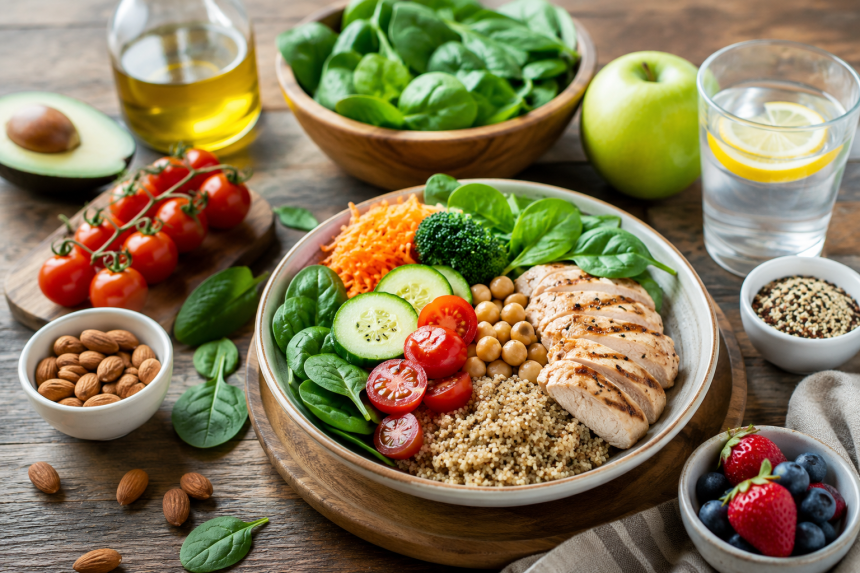
Many people experience low energy during the day, especially when balancing work, responsibilities, personal activities, and even moments of entertainment like visiting a local perya with family or friends. While lack of sleep and stress can contribute to fatigue, nutrition also plays a major role in how energized the body feels. The foods and drinks consumed daily affect focus, stamina, and overall well-being.
The good news is that improving energy levels does not always require strict diets or complicated meal plans. Small and consistent nutrition habits can help support better daily energy naturally. By making smarter food choices and maintaining healthy eating patterns, people can feel more active and productive throughout the day.
Start the Day with a Balanced Breakfast
Breakfast provides the body with fuel after several hours without food during sleep. Skipping breakfast may lead to lower concentration and reduced energy later in the morning.
A balanced breakfast should include protein, healthy carbohydrates, and fiber. Simple options like oatmeal with fruit, eggs with whole-grain toast, or yogurt with nuts can help provide steady energy throughout the morning. These foods are often better choices than sugary breakfast items that may cause quick energy crashes later.
Stay Hydrated Throughout the Day
Dehydration can lead to tiredness, headaches and difficulty concentrating. People tend to not drink enough water when they are busy with their schedules, and this can negatively affect their physical and mental performance.
“Use a reusable water bottle or set reminders to drink water during the day so you stay hydrated.” In general, water is the best choice, but fruits with high water content can also help in hydrating.
And scaling back on too many sugary drinks may also help keep your energy levels more stable throughout the day.
Choose Whole Foods More Often
Whole foods are generally less processed and contain important nutrients that support the body’s daily functions. These foods can provide more consistent energy compared to heavily processed snacks or fast food meals.
Examples of nutritious whole foods include:
- Fruits
- Vegetables
- Whole grains
- Nuts and seeds
- Lean protein sources
Choosing balanced meals with natural ingredients can support better digestion and more stable energy during daily activities.
Avoid Skipping Meals
Going too long without food can lower blood sugar levels, making a person feel weak or unable to concentrate on the task at hand. Skipping meals in general increases the likelihood of overeating later in the day as well.
When a person eats three regular meals a day plus healthy snacks in between, they will usually have more stable energy levels. For example, quick snacks like bananas, nuts, yogurt, or whole-grain crackers can be helpful for busy people.
The primary purpose is to feed your body with enough food , and keep it fed consistently, throughout the course of the day, without overdoing it.
Include Protein in Daily Meals
Protein helps to support muscle and can also help people to feel fuller for longer. Adding protein to meals and snacks can help to keep sudden hunger and energy dips at bay.
Protein sources include:
- Eggs
- Fish
- Chicken
- Beans
- Tofu
- Dairy
Pairing protein with healthy carbohydrates could help maintain steady energy levels and better focus.
Limit Excess Sugar and Processed Snacks
Sugary snacks and beverages may provide quick bursts of energy, but these effects are often temporary. After the initial spike, energy levels may drop quickly, leading to fatigue and cravings.
Instead of relying heavily on candy or sugary drinks, healthier alternatives may include:
- Fresh fruit
- Nuts
- Yogurt
- Whole-grain snacks
Making small substitutions over time can support healthier eating habits without feeling overly restrictive.
Eat More Fiber-Rich Foods
Fiber aids your digestive system and can help your body utilize energy in a more steady manner. Many high-fiber food choices will also provide people with some satiety; therefore, they can help prevent them from snacking.
Some good sources of fiber are oats, brown rice, vegetables, fruit, beans, and whole grains, and adding them to the diet gradually will help improve digestive health and increase daily energy.
Prepare Simple Meals Ahead of Time
When people have busy schedules they often choose convenience foods and/or skip meals altogether. If you plan and prepare healthy meals to eat at home and or on the go, you will be able to make healthy choices on days when you are busy.
Planning meals in advance does not need to be complicated. You can save time and help you eat healthier by taking simple steps such as precooking or washing your fruits before eating, making sandwiches, and/or portioning out healthy snacks ahead of time.
Having healthy food options (prepared) on hand will help you stay consistent with your nutrition goals!
Conclusion
Better energy sometimes comes down to having healthier habits during each day. Eating food in a healthy way is very important to helping with maintaining focus, staying productive and leading a healthy lifestyle overall. By simply making minor changes to how you eat, such as eating a balanced meal, drinking enough water and eating whole foods on a regular basis, you can achieve more balanced energy levels during your day.
Healthy eating does not need to be difficult. If you practice consistency in your basic nutrition habits regularly, it can become easier for you to maintain an active and balanced lifestyle throughout your life.

Lynn Martelli is an editor at Readability. She received her MFA in Creative Writing from Antioch University and has worked as an editor for over 10 years. Lynn has edited a wide variety of books, including fiction, non-fiction, memoirs, and more. In her free time, Lynn enjoys reading, writing, and spending time with her family and friends.