Key Takeaways
- Heating problems often start with small changes in comfort, airflow, noise, or run time.
- Basic checks of the thermostat, filter, vents, and breaker may identify simple issues.
- Gas odors, carbon monoxide alarms, smoke, and electrical burning smells require immediate action.
- Repair or replacement decisions should consider safety, reliability, system age, repair history, and comfort.
- Regular maintenance can reduce avoidable strain on heating equipment.
When winter temperatures settle over Northeast Ohio, a dependable heating system is more than a convenience. It supports comfort, indoor air quality, and household safety. Knowing when to schedule heating repair Akron, OH can help homeowners address a developing issue before it becomes a no-heat emergency.
Most furnaces, boilers, heat pumps, and geothermal systems give warning signs before a complete breakdown. Paying attention to uneven temperatures, weak airflow, unusual sounds, repeated cycling, or unexpected energy use can make repair decisions less stressful and more informed.
Why Heating Systems Show Warning Signs
Heating equipment works through a connected series of controls, motors, airflow pathways, safety switches, and, in fuel-burning systems, combustion components. A clogged filter, a loose electrical connection, a failing blower motor, a thermostat problem, or a blocked vent can affect performance long before the unit stops entirely. For example, a furnace that gradually runs longer every evening may be struggling with restricted airflow or declining efficiency. Early attention can prevent a minor concern from becoming a midwinter breakdown.
Common Signs That Call for Attention
Uneven Temperatures
A cold bedroom or overly warm living room can result from closed registers, duct leaks, poor insulation, blocked returns, thermostat placement, or blower performance issues. If one area of the home is consistently uncomfortable, note whether the problem changes when doors are open, filters are replaced, or vents are cleared.
Strange Noises
New banging, scraping, rattling, buzzing, squealing, or repeated clicking should not be treated as normal operation. Some sounds may come from loose ductwork or panels, while others may indicate a motor, belt, ignition component, or circulating pump that needs professional diagnosis.
Weak Airflow and Short Cycling
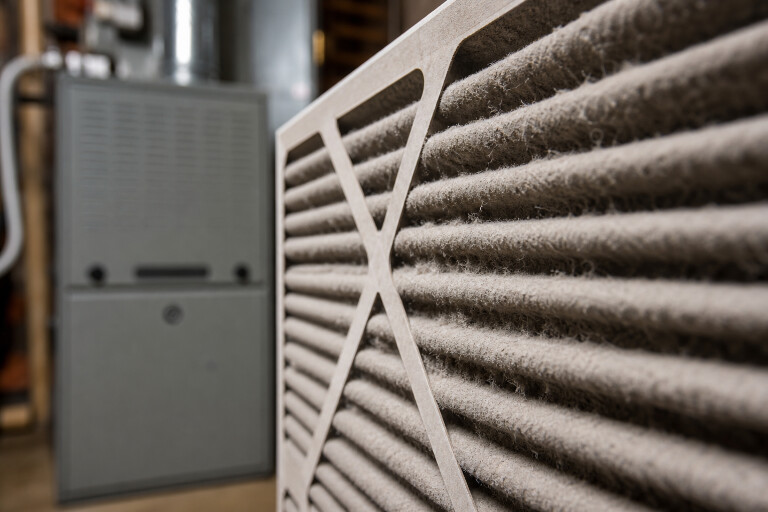
A dirty filter, a blocked vent, a duct restriction, or a blower problem may cause weak airflow. Short cycling means the system starts, stops, and restarts more often than it should. A heavily soiled filter, restricted return air, thermostat trouble, or improperly sized equipment can contribute to this pattern. Filters need regular replacement, and a higher-efficiency filter should only be used when the system can accommodate it. The EPA’s guide to home air cleaners and HVAC filters offers useful guidance on filter selection and replacement.
Higher Energy Bills
Higher bills do not automatically mean the heating system must be replaced. Compare utility use with outdoor temperatures, thermostat settings, recent schedule changes, and filter condition. However, longer run times combined with declining comfort can indicate that the system is losing efficiency or that it is working against an airflow problem.
Safe Checks to Make Before Calling
- Confirm the thermostat is set to heat and set above the current room temperature.
- Check thermostat batteries or power, if applicable.
- Inspect the filter and replace it if it is visibly dirty or overdue.
- Make sure supply vents and return grilles are open and unobstructed.
- Check the electrical panel for a tripped breaker.
- Look for visible water, soot, ice, or physical damage around the equipment.
- Write down when the issue occurs, along with sounds, smells, and affected rooms.
Do not remove safety panels, adjust gas controls, test live electrical parts, or attempt combustion repairs without proper training.
When a Heating Problem Is Urgent
If you smell natural gas, leave the building immediately. Do not use light switches, phones, matches, appliances, or vehicles near the suspected leak. Contact the gas utility or emergency services from a safe location. Smoke, persistent burning odors, sparking, and a carbon monoxide alarm also require prompt action. Fuel-burning equipment should be inspected regularly, and the Consumer Product Safety Commission’s winter heating guidance emphasizes the importance of working carbon monoxide alarms and safe appliance operation.
How Repair Needs Vary by System Type
Furnaces
Common furnace concerns include filters, igniters, burners, blower motors, belts, limit switches, venting, and heat exchangers. A yellow or flickering pilot flame, soot, or repeated shutdowns deserve professional evaluation.
Boilers
Boiler repairs may involve leaks, low pressure, circulation pumps, expansion tanks, radiators, valves, or knocking sounds from the piping. Water around the unit or recurring pressure changes should be addressed quickly.
Heat Pumps and Geothermal Systems
Heat pumps provide both heating and cooling, so problems can involve the outdoor unit, defrost cycle, reversing valve, controls, refrigerant, or backup heat. Geothermal systems also rely on indoor heat pump components and ground loops, making specialized diagnosis especially important.
When to Repair or Replace
System age matters, but it should not be the only deciding factor. Consider the full picture:
- Age: Is the equipment near the end of its expected service life?
- Repair history: Have several repairs been needed in recent heating seasons?
- Safety: Are there combustion, venting, refrigerant, or electrical concerns?
- Parts: Are replacement parts available at a reasonable cost?
- Efficiency and comfort: Does the system still heat the home evenly and reliably?
An isolated, affordable repair can make sense for a dependable system. Repeated repairs, safety concerns, poor comfort, or unavailable parts may support planning for replacement instead.
What Happens During a Professional Repair Visit
A technician typically begins by asking about symptoms and recent changes. The visit may include inspecting the thermostat, equipment, airflow, visible ductwork, electrical connections, combustion performance, or refrigerant operation, depending on the system. After identifying the cause, the technician should explain available repair options, expected costs, and any concerns that could affect reliability or safety. The system should be tested after the repair is completed.
A Simple Heating Maintenance Plan
- Replace or clean filters according to the manufacturer’s instructions.
- Keep vents, return grilles, and outdoor heat pump units clear of obstructions.
- Schedule professional service before heavy winter use.
- Test carbon monoxide alarms and replace batteries as needed.
- Keep a record of repairs, part replacements, unusual noises, and seasonal performance.
Heating systems rarely fail without some indication that performance is changing. By responding to warning signs, using only safe homeowner checks, and weighing repair decisions against safety and long-term reliability, Akron-area homeowners can protect comfort throughout the heating season.

Lynn Martelli is an editor at Readability. She received her MFA in Creative Writing from Antioch University and has worked as an editor for over 10 years. Lynn has edited a wide variety of books, including fiction, non-fiction, memoirs, and more. In her free time, Lynn enjoys reading, writing, and spending time with her family and friends.