Table of Contents
1. Introduction
2. Understanding Accounts Payable Automation
3. Benefits of Accounts Payable Automation
4. Key Components of an Effective Implementation Strategy
5. Steps to Successful Accounts Payable Automation
6. Best Practices for Managing Change
7. Real-World Case Studies
8. Overcoming Common Challenges in Implementation
9. The Future of Accounts Payable Automation
10. Conclusion
Introduction
In the evolving landscape of finance and accounting, the role of the Chief Financial Officer (CFO) has transformed significantly. One of the most impactful changes in recent years has been the rise of accounts payable automation. As organizations look to streamline their operations, reduce costs, and improve accuracy, automating accounts payable processes has emerged as a strategic necessity rather than a luxury. This playbook aims to provide CFOs with a comprehensive understanding of accounts payable automation and offer actionable insights for successful implementation.
Understanding Accounts Payable Automation
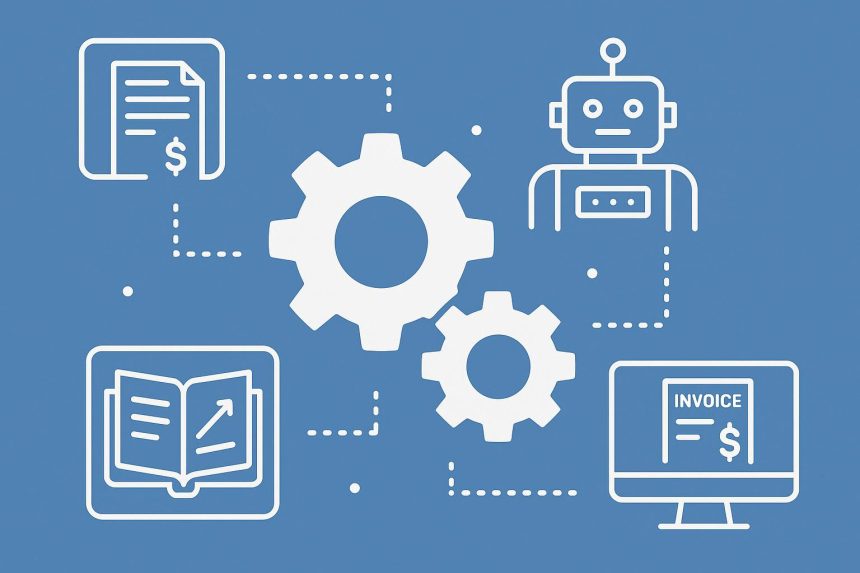
Accounts payable automation refers to the use of technology to simplify and streamline the accounts payable process, which encompasses the receipt, processing, and payment of invoices. Traditionally, these processes were manual and labor-intensive, often leading to errors, delays, and inefficiencies.
Automation tools can facilitate various tasks including:
1. Invoice capture through Optical Character Recognition (OCR)
2. Automated approval workflows
3. Electronic payment processing
4. Integration with enterprise resource planning (ERP) systems
By leveraging these technologies, organizations can enhance their financial operations significantly.
Benefits of Accounts Payable Automation
The shift towards automation in accounts payable presents numerous benefits that impact not only the finance department but also the entire organization.
Increased Efficiency
Automated systems reduce the time spent on manual data entry and approval processes. This efficiency allows teams to focus on strategic tasks rather than administrative burdens.
Enhanced Accuracy
By minimizing human intervention, automation reduces the likelihood of errors associated with manual processing. This results in more accurate financial reporting and compliance.
Improved Cash Flow Management
Automation provides real-time visibility into payables, enabling better cash flow forecasting and management. CFOs can make informed decisions regarding liquidity and vendor payments.
Cost Savings
Reducing manual labor and paperwork translates into significant cost savings over time. Companies can allocate resources more effectively while also benefiting from early payment discounts from vendors.
Better Supplier Relationships
Timely payments foster stronger relationships with suppliers. Automated systems enable organizations to maintain consistent communication and resolve discrepancies more efficiently.
Key Components of an Effective Implementation Strategy
Successful implementation of accounts payable automation requires a well-defined strategy that includes several key components:
Stakeholder Buy-In
Engaging stakeholders from the outset is crucial for securing support for automation initiatives. Involving team members from finance, procurement, and IT ensures a comprehensive understanding of needs and expectations.
Technology Selection
Choosing the right technology is paramount to successful implementation. Factors to consider include scalability, integration capabilities with existing systems, user-friendliness, and vendor support.
Process Mapping
Before implementing any solution, it is essential to map out existing accounts payable processes thoroughly. Understanding current workflows allows organizations to identify pain points and areas for improvement.
Training and Change Management
Effective training programs are essential in ensuring staff are comfortable with new technologies and processes. Change management strategies should be established to help employees transition smoothly into automated workflows.
Steps to Successful Accounts Payable Automation
Implementing accounts payable automation involves several key steps that CFOs must follow to ensure success:
1. Assess Current Processes: Conduct a thorough analysis of existing accounts payable workflows to identify bottlenecks.
2. Define Objectives: Establish clear goals for what you want to achieve through automation—be it improved efficiency, cost savings, or increased accuracy.
3. Select Technology: Research available solutions such as Yooz that align with your objectives while offering scalability and integration capabilities.
4. Pilot Program: Start with a pilot program that allows you to test automation in a controlled environment before rolling it out organization-wide.
5. Gather Feedback: Collect feedback from users during the pilot phase to refine processes and address any issues before full implementation.
6. Train Staff: Develop comprehensive training programs tailored to different user groups within your organization.
7. Monitor Performance: Post-implementation, consistently monitor key performance indicators (KPIs) to evaluate success against defined objectives.
Best Practices for Managing Change
Change management is critical during the transition from manual processes to automated ones. Following best practices can facilitate smoother transitions:
1. Communicate Clearly: Keep all stakeholders informed about changes, timelines, and expectations throughout the automation process.
2. Involve Employees Early: Encourage input from employees who will be using the system daily; their insights can inform better decision-making.
3. Provide Ongoing Support: Offer continuous support post-implementation through resources such as FAQs or dedicated help desks.
4. Celebrate Milestones: Recognize achievements throughout the process to build morale and encourage acceptance among employees.
Real-World Case Studies
Examining real-world examples can provide valuable insights into successful accounts payable automation implementations:
Case Study 1: A Global Manufacturing Firm
A global manufacturing firm faced challenges with delayed invoice processing leading to late payments and strained supplier relationships. By implementing Yooz’s automated solution, they achieved a reduction in invoice processing time from several weeks to just a few days while increasing payment accuracy by over fifty percent within six months.
Case Study 2: A Mid-Sized Retail Company
A mid-sized retail company struggled with high operational costs due to manual data entry errors in their accounts payable department. After adopting an automated solution that integrated seamlessly with their existing ERP system, they reduced staffing costs by twenty percent while enhancing productivity across their finance team.
Overcoming Common Challenges in Implementation
While accounts payable automation presents numerous benefits, organizations may encounter challenges during implementation:
Resistance to Change
Employees may resist new technologies due to fear of job loss or discomfort with unfamiliar processes. Addressing these concerns through education about how automation enhances roles rather than replaces them is essential.
Data Security Concerns
With digitalization comes concerns regarding data security and privacy breaches. Implementing robust cyber security measures alongside any new technology is vital in protecting sensitive financial information.
Integration Issues
Integrating new software with existing systems can be complex and may lead to temporary disruptions in workflow if not managed carefully.
The Future of Accounts Payable Automation
As technology continues evolving, so too will accounts payable automation solutions. Artificial intelligence (AI) is set to revolutionize this space further by offering predictive analytics capabilities that enhance decision-making processes related to cash flow management.
Organizations will increasingly rely on advanced analytics powered by machine learning algorithms that not only automate mundane tasks but also provide actionable insights into spending patterns and vendor performance.
Incorporating innovative solutions such as those offered by Yooz will allow CFOs not only to optimize efficiency but also strategically position their companies for future growth within an increasingly competitive marketplace.
By embracing these advancements today, organizations can pave the way for a smoother transition into tomorrow’s automated financial landscape where agility meets precision in every transaction processed within their accounts payable departments.
Implementing accounts payable automation is no longer just an option; it is a necessity for modern businesses aiming for financial excellence and operational efficiency in today’s fast-paced economy where every penny counts towards overall profitability and success.

Lynn Martelli is an editor at Readability. She received her MFA in Creative Writing from Antioch University and has worked as an editor for over 10 years. Lynn has edited a wide variety of books, including fiction, non-fiction, memoirs, and more. In her free time, Lynn enjoys reading, writing, and spending time with her family and friends.