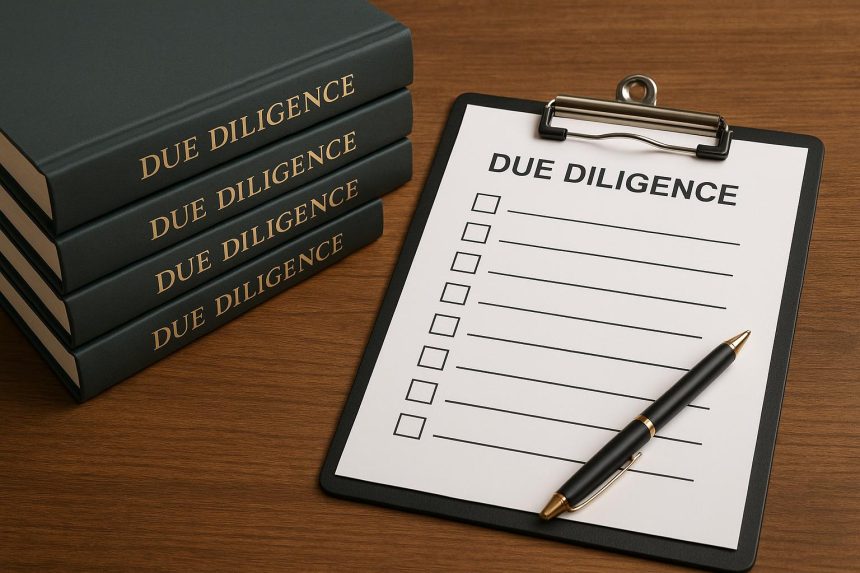
Commercial real estate is a high-stakes game where what you don’t know will absolutely hurt your bank account. To win, you need a solid due diligence process that goes beyond just looking at the rent roll and the roof. You need to get accurate boundary data with ALTA/NSPS survey services early on so you aren’t surprised by an encroachment or an easement that kills your development plans later. Whether you are buying a strip mall or an industrial warehouse, having a systematic checklist is the only way to sleep soundly before you sign those closing papers.
Physical and Structural Assessments
The first thing most buyers think about is the building’s physical condition. You cannot just walk through with a flashlight and call it a day. A professional Property Condition Assessment (PCA) is non-negotiable. This report examines the bones of the structure, including the HVAC systems, plumbing, and foundation.
Beyond the walls, you have to look at the ground itself. Environmental site assessments, usually called Phase I reports, are vital to ensure you aren’t buying a former dry cleaner site with a toxic secret buried in the soil. If the Phase I flags a concern, you move to Phase II, which involves actual soil and water testing. Skipping this is a gamble that could leave you liable for millions in cleanup costs.
Title, Zoning, and Boundary Clarity
Legal due diligence is where the paperwork gets heavy. You need to ensure that the seller actually has the right to sell the property and that no hidden liens are lurking in the background. This is where ALTA/NSPS land title surveys come into play. These surveys provide a standardized, nationwide map of the property that title companies and lenders require to clear “survey exceptions” from a title policy.
Zoning is another potential trap. Just because the current owner is running a warehouse doesn’t mean the city won’t change the rules on you tomorrow. You need a zoning report to confirm that the current use is legal and that any plans for the site are permitted under local ordinances.
Financial and Operational Deep Dives
The numbers on a shiny marketing brochure rarely tell the whole story. You need to see the “trailing 12” month income and expense statements. You should also audit the leases. Are there any tenants who haven’t paid in the past 3 months? Is there a major anchor tenant with a “kick-out clause” that allows them to leave if their sales drop?
You also need to look at the operating expenses. Property taxes often jump significantly after a sale because the county reassesses the value based on your purchase price. If you don’t account for that tax spike in your pro forma, your cash flow might disappear before the end of year one.
The Tenant and Market Context
Finally, look at the humans inside the building. A physical inspection tells you if the roof leaks, but a tenant interview or a review of estoppel certificates tells you if the relationship with the landlord is broken. Estoppels are documents signed by tenants that confirm the terms of their lease. These prevent a tenant from claiming later that the old landlord promised them three months of free rent that wasn’t in the contract.
Also, consider the macro environment. Is a new competitor building a bigger, better facility across the street? Is the local municipality planning road construction that will block the entrance to your parking lot for six months? Real estate does not exist in a vacuum, and the best due diligence examines the neighborhood as much as the property.
Final Word
Building a portfolio requires a mix of gut instinct and cold, hard data. If you skip the boring parts of the checklist, you are basically walking into a minefield with a blindfold on. Before you wire that earnest money, make sure you get accurate boundary data with ALTA/NSPS survey services to protect your investment. A little bit of extra work today prevents a massive headache tomorrow.

Lynn Martelli is an editor at Readability. She received her MFA in Creative Writing from Antioch University and has worked as an editor for over 10 years. Lynn has edited a wide variety of books, including fiction, non-fiction, memoirs, and more. In her free time, Lynn enjoys reading, writing, and spending time with her family and friends.