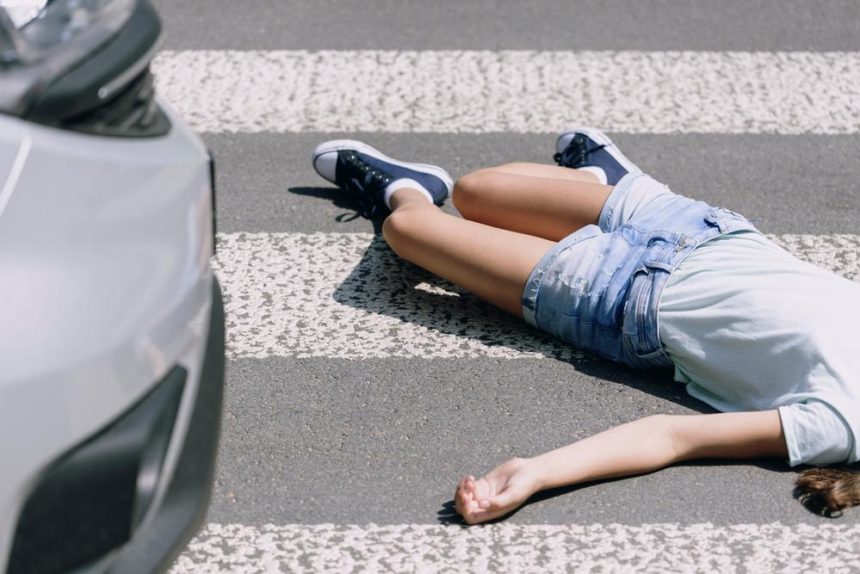
Pedestrian accidents are not always caused by reckless driving or careless walking. In many cases, the road itself creates confusion. A poorly placed crosswalk, unclear lane markings, blocked visibility, or crowded intersections can affect how drivers and pedestrians react around each other.
Most people trust roads to guide traffic safely. Drivers expect pedestrians to cross in certain areas. Pedestrians expect drivers to notice them near intersections and marked crossings. Problems begin when those expectations do not match the actual road design.
That is why roadway layout often becomes an important part of understanding the common causes of pedestrian accidents and the legal questions that follow after a collision.
Roads Quietly Influence Human Decisions
People make hundreds of small decisions while walking or driving. Most of those choices are shaped by the design of the road around them.
Drivers adjust speed depending on:
- lane width,
- traffic flow,
- visibility,
- and intersection structure.
Pedestrians also react to the environment. They look for:
- safe crossing areas,
- visible signals,
- sidewalks,
- and enough time to cross safely.
If the road design feels unclear or unsafe, people may hesitate, rush, or make unexpected movements.
Crosswalk Placement Can Affect Pedestrian Safety
Crosswalks are supposed to create safer crossing areas, but location matters.
A crosswalk placed near a sharp turn or behind parked vehicles may reduce visibility. Drivers may not notice pedestrians early enough. Pedestrians may also assume they are fully visible when they are not.
Some intersections become dangerous because:
- crosswalk markings are faded,
- Pedestrian signals are difficult to see,
- The crossing distance is too long,
- or the turning traffic overlaps with pedestrian movement.
These conditions increase confusion for everyone using the road.
Important Safety Rule
Drivers are generally expected to watch carefully near marked crossings and intersections. Pedestrians are also expected to follow traffic signals and use designated crossing areas whenever possible.
Problems often happen when roadway design makes those rules harder to follow safely.
Lane Width and Traffic Speed Matter
Wider roads often encourage faster driving without drivers realizing it. A large open lane may feel safer, causing drivers to turn faster or pay less attention to nearby pedestrians.
Narrower roads usually slow traffic naturally because drivers feel closer to surrounding vehicles and people.
This becomes especially important near:
- schools,
- shopping areas,
- downtown intersections,
- and heavy pedestrian zones.
Small roadway design choices can change how quickly drivers react to someone crossing nearby.
Poor Visibility Creates Serious Risks
Visibility is one of the biggest safety issues in pedestrian accidents.
Drivers need enough time to:
- notice pedestrians,
- understand movement,
- and react safely.
Several roadway conditions can reduce visibility:
- parked cars near corners,
- construction barriers,
- oversized signs,
- poor lighting,
- bushes or trees,
- and crowded intersections.
Pedestrians may believe drivers can see them clearly, while drivers are actually dealing with blocked sightlines. That misunderstanding often becomes important during accident investigations.
Sidewalk and Transition Areas Can Become Dangerous
Sidewalks help separate people from traffic, but transition areas sometimes create risk.
A sidewalk that suddenly ends or narrows may force pedestrians closer to moving vehicles. Poorly designed curb ramps or uneven crossings can also change walking patterns unexpectedly.
Busy intersections become even harder to navigate when:
- sidewalks are crowded,
- signals change quickly,
- Or crossing paths feels unclear.
Pedestrians may cross from locations drivers do not expect, while drivers may focus more on traffic flow than foot traffic nearby.
Traffic Signals and Timing Affect Both Drivers and Pedestrians
Signal timing plays a major role in pedestrian safety. Short crossing times may pressure pedestrians to hurry. Drivers turning at intersections may focus more on gaps in vehicle traffic than on people crossing the road.
Confusion often develops during:
- flashing signal transitions,
- left-hand turns,
- overlapping turn signals,
- and crowded intersections.
Both drivers and pedestrians depend on traffic systems working clearly. If signal timing creates uncertainty, reaction mistakes become more likely.
Roadway Design Can Influence Legal Consequences
After a pedestrian accident, investigations usually examine more than driver behavior alone.
Discussions involving the common causes of pedestrian accidents may include:
- crosswalk visibility,
- road design,
- signal placement,
- lane structure,
- lighting conditions,
- and obstruction issues.
These details help explain how the environment may have influenced decisions before the collision occurred.
For example, investigators may examine:
- whether a pedestrian crossing was clearly visible,
- whether turning drivers had blocked sightlines,
- or whether traffic flow created unusual confusion.
Roadway conditions do not remove personal responsibility, but they can become an important part of understanding how accidents happened.
Small Details Often Shape Larger Safety Problems
Many pedestrian accidents happen because several small issues combine at the same time.
A faded crosswalk alone may not seem dangerous. A blocked sign alone may not seem serious. A quick signal change alone may not appear unsafe.
But together, these conditions can reduce visibility, create hesitation, and affect reaction timing for both drivers and pedestrians.
That is why roadway safety depends not only on traffic laws but also on thoughtful infrastructure design.
Conclusion
Pedestrian safety is closely connected to how roads, sidewalks, crosswalks, and intersections are designed. Drivers and pedestrians rely on roadway systems to guide movement clearly and safely every day.
When visibility becomes limited, traffic signals feel confusing, or crossing areas are poorly designed, the chances of misunderstanding and delayed reaction increase.
Many pedestrian accident disputes involve more than simple questions about fault. They also involve examining how roadway conditions shaped visibility, expectations, and movement decisions before the collision occurred. The more clearly roads communicate with both drivers and pedestrians, the safer those shared spaces become for everyone.

Lynn Martelli is an editor at Readability. She received her MFA in Creative Writing from Antioch University and has worked as an editor for over 10 years. Lynn has edited a wide variety of books, including fiction, non-fiction, memoirs, and more. In her free time, Lynn enjoys reading, writing, and spending time with her family and friends.