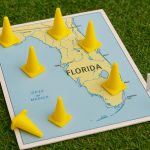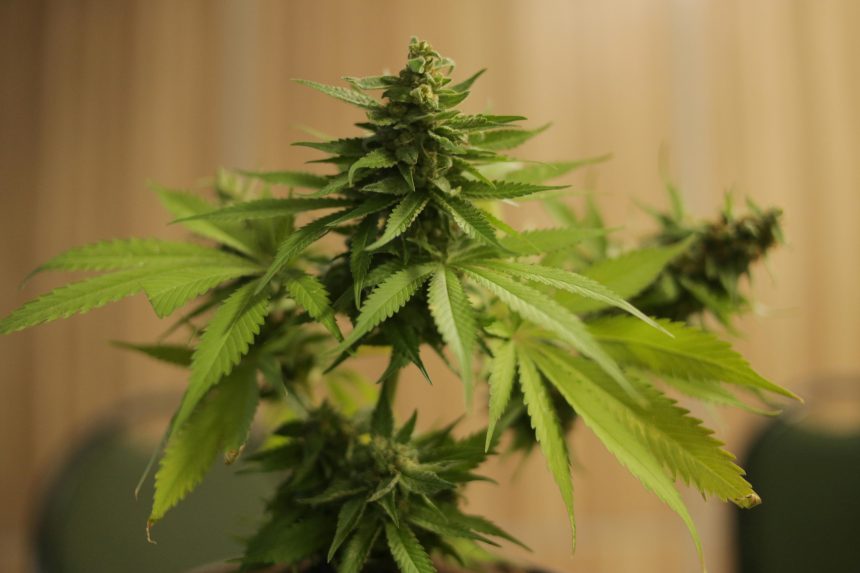
Louisiana has never been the first state people think of when the conversation turns to cannabis access. It operates a medical-only program, has no adult-use market, and currently licenses just nine dispensaries to serve a state of more than 4.5 million people.
What Louisiana’s program illustrates is that patient demand does not wait for ideal infrastructure. Where the program has removed friction, particularly through telehealth eligibility and a zero-dollar registration cost, patients have found their way in. That dynamic is worth examining closely, both for what it means for residents seeking a medical marijuana card in Louisiana and for what it signals about how digital healthcare is reaching patients that traditional systems have historically underserved.
Key Takeaways
- Louisiana operates a medical-only cannabis program with telemedicine certification permitted statewide.
- The state charges no registration fee, making it one of the most affordable programs in the country.
- Qualifying conditions include intractable pain, PTSD, cancer, epilepsy, and 11 other specific conditions.
- Medical cannabis products in Louisiana average around $10 per gram across a wide range of product types.
Louisiana’s Medical Cannabis Program at a Glance
Louisiana’s medical cannabis program is structured around physician oversight and state-licensed dispensary access. Patients who receive a certification from a licensed physician can register with the state and purchase cannabis from any of the nine licensed dispensaries operating across the state. The registration fee charged by the state is $0, which removes a financial barrier that discourages participation in other programs.
Medical marijuana cards in Louisiana are valid for one year and must be renewed through a follow-up physician evaluation. Possession is defined as a 30-day supply as recommended by the treating physician, rather than a fixed ounce limit, which gives physicians meaningful flexibility in tailoring recommendations to individual patient needs. Home cultivation is not permitted under Louisiana law, and there is no adult-use market, so the medical program represents the only legal pathway to cannabis access in the state. Patients must be at least 18 years old to apply.
The program currently licenses nine dispensaries, a number that reflects both the state’s cautious regulatory approach and the relatively recent expansion of the program to include smokable flower. That expansion meaningfully broadened the product range available to patients and contributed to the growth in registered patient numbers observed in recent years.
Who Qualifies for a Medical Marijuana Card in Louisiana
Qualifying conditions in Louisiana are defined by statute and assessed by a licensed physician during the certification evaluation. The full list of conditions recognized under the program is as follows:
- Autism Spectrum Disorders
- Cachexia and Wasting Syndrome
- Cancer
- Crohn’s Disease
- Epilepsy
- Glaucoma
- HIV and AIDS
- Intractable Pain
- Muscular Dystrophy
- Multiple Sclerosis
- Parkinson’s Disease
- Post-Traumatic Stress Disorder (PTSD)
- Seizure Disorders and Spasticity
- Severe Muscle Spasms
The breadth of that list reflects a program that has matured considerably since its early restrictive years. Intractable pain is among the most commonly certified conditions in Louisiana, encompassing chronic pain presentations that have not responded to conventional treatment. PTSD has become an increasingly significant qualifying condition as the evidence base for cannabis in trauma-related symptom management has developed. Neurological conditions including epilepsy, multiple sclerosis, Parkinson’s disease, and seizure disorders account for a meaningful share of certifications, particularly among patients whose conventional treatment options carry significant side effect burdens.
It is the physician’s role to evaluate whether a patient’s documented condition meets the program’s criteria. No two presentations of the same diagnosis are identical, and the certification process is a genuine clinical evaluation rather than a formality. Patients who arrive with complete medical records, prior treatment history, and a clear account of their symptoms are better positioned to receive thorough guidance from their certifying physician.
How Telemedicine Has Changed the Certification Process
Louisiana’s decision to permit telemedicine for cannabis certifications has been one of the most consequential features of the program for patient access. In a state where nine dispensaries serve the entire population, the geographic concentration of physical healthcare infrastructure has historically been a significant barrier. Telemedicine removes the physician-access component of that barrier entirely.
Patients in rural parishes who would otherwise face long drives to reach a cannabis-trained physician can now complete their certification from home. Working adults who cannot easily take time away from employment during clinic hours have a viable pathway through evening or weekend telehealth appointments. Patients whose qualifying conditions make travel physically difficult benefit from a process that is structured around their circumstances rather than around clinic logistics.
What to Expect From an Online Consultation
The telehealth certification process in Louisiana follows a consistent structure. Before the appointment, patients should gather relevant medical documentation: prior diagnoses, records of previous treatments, and a list of current medications. The physician will review this information and ask follow-up questions to assess whether the patient’s condition qualifies under the state program.
If the physician issues a certification, the patient uses that document to complete their state registration and obtain dispensary access. The process from consultation to receiving a certification typically moves quickly through telehealth platforms, with state processing adding variable time depending on submission method. Patients should confirm current processing timelines with the relevant state agency, as these can change.
The Cost Advantage of Louisiana’s Program
The financial picture for Louisiana patients is notably favorable by national standards. The state registration fee is $0, which eliminates a cost that ranges from $10 to $200 in other programs across the country. Medical cannabis products in Louisiana average around $10 per gram, which is competitive with states that have much larger and more established markets. The state applies a 0% medical cannabis tax, meaning patients pay no state tax on their purchases at the dispensary.
The combination of zero registration fee, accessible telehealth consultation pricing, and competitive product costs makes Louisiana’s program one of the more financially accessible in the South. For patients managing chronic conditions on fixed incomes or without cannabis coverage through insurance, those cost factors are not peripheral considerations. They directly determine whether a patient can realistically participate in the program at all.
Louisiana’s nine licensed dispensaries carry a wide range of product formats, including flower, oils, extracts, tinctures, sprays, capsules, pills, solutions, suspension formulations, gelatin-based chewables, lotions, transdermal patches, suppositories, and metered-dose inhalation devices. That product variety means patients with different consumption preferences and medical needs have meaningful options, even within a relatively small dispensary network.
What Louisiana’s Growth Signals for Digital Healthcare
Louisiana is not a cannabis-forward state in the political or cultural sense. It does not have an adult-use market, its dispensary count remains low relative to its population, and its program has expanded incrementally rather than dramatically. Against that backdrop, over 29,030 registered patients represent something worth paying attention to.
That patient base has grown in a context where telehealth removed the physician-access barrier and where the state’s cost structure removed the financial barrier. What expanded was not the physical infrastructure but the digital access layer. The patients who have registered are, in many cases, people who would not have been able to navigate the process without remote certification. They are rural patients, patients with mobility limitations, patients who found out about the program through digital channels and completed the process through the same.
That pattern repeats across other states with low infrastructure but permissive telemedicine rules, and it points toward a broader principle in digital healthcare: where friction is removed at the access point, patients arrive. Louisiana’s program has not solved every challenge in its cannabis landscape, but the data it has produced makes a compelling case that telehealth is not simply a convenience for existing healthcare consumers. For a meaningful share of patients, it is the reason they are in the system at all.

Lynn Martelli is an editor at Readability. She received her MFA in Creative Writing from Antioch University and has worked as an editor for over 10 years. Lynn has edited a wide variety of books, including fiction, non-fiction, memoirs, and more. In her free time, Lynn enjoys reading, writing, and spending time with her family and friends.