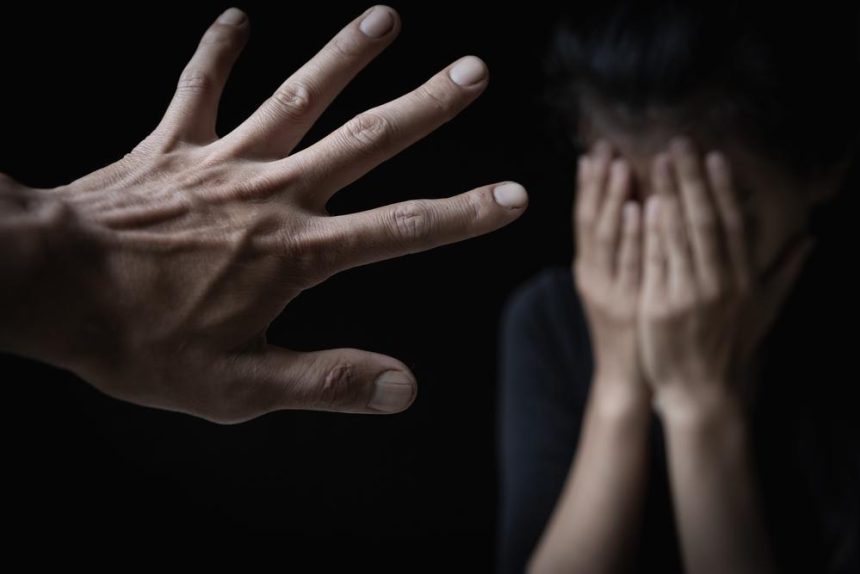
Silence follows many sexual assault cases long before any legal process begins. Survivors often worry about who may learn their story, how personal details could become public, and whether speaking up may affect their future. These concerns stop many people from even asking questions about their rights. Fear of exposure can feel just as heavy as fear of not being believed.
CA has laws and legal protections designed to help survivors maintain privacy during sensitive situations. A sexual assault attorney in California may help individuals better understand how confidentiality works during civil claims and investigations. Knowing these protections can make difficult situations feel less overwhelming and more manageable for people already carrying emotional pressure.
3 Privacy Rights Survivors Should Know
Privacy Rights Can Protect Sensitive Personal Information
Many survivors do not realize that certain personal details may be protected during legal proceedings. Courts sometimes allow sensitive records to remain confidential, especially when public exposure could create additional emotional harm.
Personal medical records, counseling details, school information, and identifying documents may receive additional protection depending on the circumstances of the case. Some survivors may also request limited disclosure of information connected to their identity.
Privacy protections matter because sexual assault cases often involve deeply personal experiences. Without these safeguards, many people may never feel safe enough to report abuse or seek accountability.
Confidential Conversations With Legal Professionals Matter
One important right involves confidential communication with legal professionals. Survivors should feel able to discuss concerns openly without fear that private conversations will automatically become public.
These conversations may include details about emotional trauma, past interactions, evidence, or concerns about retaliation. Confidentiality creates space for survivors to ask difficult questions honestly while learning about possible next steps.
This protection becomes especially important in cases involving schools, workplaces, medical facilities, or religious organizations where public attention can grow quickly.
Survivors May Have Protections Against Retaliation
Retaliation can appear in many forms after someone reports sexual assault. Some individuals face workplace pressure, online harassment, social isolation, or attempts to damage their reputation.
CA laws provide certain protections against retaliation connected to reporting misconduct or participating in investigations. These protections may apply in educational institutions, professional environments, and other organizational settings.
People should never feel forced into silence because they fear punishment for speaking up. Understanding these protections can help survivors recognize behavior that may cross legal or ethical boundaries.
How Survivors Can Help Strengthen Sensitive Cases
Careful Documentation Can Make a Difference
Strong cases are often built through careful documentation and organized communication. Survivors dealing with sensitive situations may benefit from keeping records connected to conversations, complaints, emails, text messages, or reports made to institutions.
Small details sometimes become important later. Dates, names, timelines, and written communication may help establish patterns or confirm earlier concerns. Preserving records in a safe place can reduce confusion if questions arise later during an investigation.
Witnesses may also play an important role in strengthening claims. Friends, coworkers, classmates, or others who observed changes in behavior or heard related conversations may provide valuable context.
A sexual assault attorney in California may also help survivors understand how evidence is typically reviewed while working to maintain appropriate privacy protections throughout the process. Careful preparation often helps individuals feel more confident during difficult situations involving institutions or complex investigations.
Public Statements and Social Media Require Careful Thought
Many survivors feel pressure to share their experiences publicly online. While speaking openly can feel empowering for some people, public statements may also create unexpected challenges during sensitive cases.
Social media posts, comments, screenshots, and online conversations sometimes become part of investigations or legal disputes, and can even lead to instances of online sexual harassment. Emotional reactions posted during stressful periods may later be interpreted differently by outside parties.
Understanding Privacy Can Help Survivors Feel More Prepared
Privacy rights exist because sexual assault cases involve personal experiences that deserve care and respect. Survivors should not feel forced to choose between protecting their identity and seeking accountability. Understanding confidentiality protections, documentation practices, and communication strategies may help people feel more informed during difficult situations. Fear often grows strongest in uncertainty, but clearer knowledge about privacy rights can help survivors approach these sensitive matters with greater confidence and awareness while protecting important personal boundaries throughout the process.

Lynn Martelli is an editor at Readability. She received her MFA in Creative Writing from Antioch University and has worked as an editor for over 10 years. Lynn has edited a wide variety of books, including fiction, non-fiction, memoirs, and more. In her free time, Lynn enjoys reading, writing, and spending time with her family and friends.