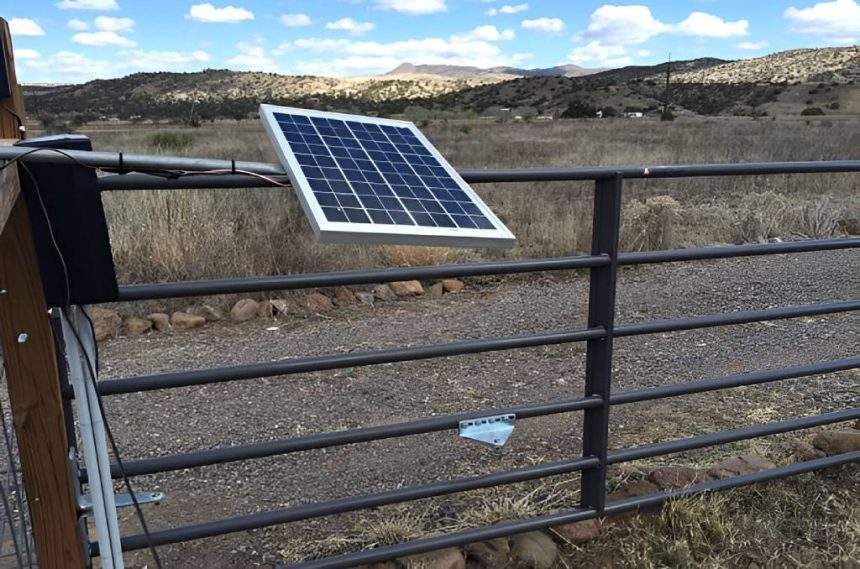
Your neighbor’s solar gate opener works perfectly year after year. Yours broke after six months. Same sunshine. Same gate type. Different results. The difference?
They knew what to look for before buying. You learned the hard way that not all solar openers handle Australian conditions.
Cheap imports fail fast under our harsh sun. Coastal salt air corrodes metal parts. Summer heat melts plastic gears. Winter cold drains weak batteries.
Most overseas systems never face these challenges. They’re designed for mild European climates, not Australian extremes.
Smart buyers focus on specific features before purchasing. Motor quality matters more than brand names. Battery capacity determines reliability during cloudy weeks.
Weather protection separates decade-long performance from six-month failures. The right best solar sliding gate opener australia checks every box for our unique climate. You get reliable operation without electricity bills forever.
Look for Copper Motors with High Torque Output
Motor construction determines how long your opener lasts. Aluminum motors cost less but fail faster under Australian heat. They can’t transfer heat away efficiently. The windings overheat and burn out during summer afternoons.
Copper-wound motors handle our climate perfectly. Copper conducts heat three times better than aluminum. The motor stays cooler even during 40-degree days. This temperature control extends motor life by years.
High torque motors move gates smoothly without straining. Low-torque motors work harder and wear out faster. They struggle on windy days when gates face extra resistance. Strong torque eliminates these problems completely.
A 24V DC system provides the best efficiency for solar applications. These motors draw less power from your battery bank. They deliver steady force throughout the entire opening cycle. The lower voltage also creates safer operation around children and pets.
Metal gears outlast plastic alternatives dramatically. Plastic gears strip under load and crack in heat. Metal gears handle stress without degrading.
They keep your gate operating smoothly for decades instead of disappointing months.
Always Choose Motors Rated Above Your Gate Weight
This single rule prevents more failures than anything else. Your gate weighs 300kg. You buy a 300kg motor. The motor dies within twelve months. Motors running at maximum capacity burn out quickly under Australian conditions.
Buy a 500kg-rated motor for your 300kg gate instead. This extra capacity creates an essential safety margin. Your motor operates at 60% capacity rather than 100%. This gentle workload extends motor life dramatically while reducing heat buildup.
Standard residential gates work perfectly with 500kg motors. Rural property gates often exceed this weight and need higher ratings. Measure your gate’s actual weight before shopping. Then add at least 40% capacity as your minimum buffer.
Oversized motors also compensate for wind resistance. Strong winds add an invisible load to your gate. A properly rated motor pushes through gusts without stalling.
Undersized motors trigger error codes and stop working during storms.
Demand IP65 or Higher Weather Protection
Australian weather destroys poorly protected electronics fast. Morning dew corrodes circuit boards overnight. Salt air eats through standard metal housing within months.
Dust clogs moving parts and damages sensitive motors.
IP ratings reveal the actual protection level. IP54 offers basic dust and splash resistance only. IP65 provides complete dust sealing and strong rain protection. Coastal properties absolutely need IP66 or higher for salt air defense.
Rust-resistant materials cost more initially but save thousands long-term. Stainless steel hardware never corrodes under any conditions. Powder-coated aluminum housing resists both rust and UV damage.
Marine-grade components handle beachfront installations without problems.
Temperature ratings matter enormously in Australia. Some motors fail above 45 degrees Celsius. Our summers regularly hit 50 degrees across many regions. Your motor must operate reliably in extreme heat without shutting down.
Quality manufacturers specify their exact temperature range clearly.
Verify Adequate Solar Panel and Battery Capacity
Solar panels generate daily power. Batteries store energy for nights and cloudy days. Both components need proper sizing for reliable year-round operation.
Undersized systems leave you stranded after any weather change.
Residential gates require a minimum of 20-30W solar panels for light usage. This setup handles occasional daily operations fine. Heavy usage demands 60W panels or larger.
Multiple daily cycles drain batteries much faster than weekend use.
Battery capacity determines how many cloudy days your gate survives. Quality systems include batteries rated for 100-200 complete gate cycles. This capacity covers several rainy days without issues.
Budget systems die after one overcast day.
Battery lifespan typically runs 2-4 years, depending on quality and usage patterns. Deep-cycle batteries handle repeated charging cycles better than standard batteries. They last longer under constant use.
Calculate battery replacement costs when budgeting total system expenses.
High-efficiency panels charge faster during limited sunlight hours. Even cloudy days generate some power with quality panels. Cheap panels barely charge during full sun.
Panel quality matters as much as wattage ratings.
Insist on Complete Safety Feature Integration
Gate openers lacking safety features create genuinely dangerous situations. Moving gates injure children, damage vehicles, and crush pets. Australian standards require specific safety equipment for legal installation.
Photoelectric safety beams stop gates when objects cross their path. These invisible barriers detect people, pets, and vehicles instantly.
The gate reverses immediately when beams break. Install beams on both sides for complete coverage.
Soft-start and soft-stop features reduce mechanical stress significantly. Gates accelerate gradually instead of jerking violently into motion. They also slow before stopping completely. This gentle operation extends gear life and prevents structural damage.
Manual release mechanisms let you open gates during maintenance or power failures. A simple key unlocks the motor mechanism.
You then slide the gate by hand easily. Test this feature monthly to confirm proper operation.
Auto-close timers dramatically improve property security. Gates close automatically after programmed delays. You never accidentally leave your property exposed overnight. Program delays based on your specific driveway length.
Confirm Australian Warranty and Local Support Access
Imported systems often include no Australian warranty coverage whatsoever. Problems develop and overseas manufacturers disappear. You’re stuck with expensive equipment and zero help available.
Australian warranties protect your investment through local support networks. Local suppliers understand our unique climate challenges. They stock spare parts and provide rapid repairs. International shipping delays leave you without gate access for weeks.
DIY-friendly installation saves hundreds in professional labor costs. Quality systems include clear instructions with detailed diagrams. Most homeowners complete basic installation within one weekend. Complex properties might need professional help, but standard setups work perfectly as DIY projects.
Australia’s abundant sunshine powers gates for free when you choose systems built for our conditions. Focus on copper motors, proper capacity ratings, complete weather protection, and adequate solar power.
Verify Australian warranty coverage and local support availability. These priorities deliver decades of reliable operation while eliminating electricity costs permanently.

Lynn Martelli is an editor at Readability. She received her MFA in Creative Writing from Antioch University and has worked as an editor for over 10 years. Lynn has edited a wide variety of books, including fiction, non-fiction, memoirs, and more. In her free time, Lynn enjoys reading, writing, and spending time with her family and friends.