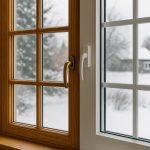
Wood windows remain a practical choice for homeowners who value character, thermal comfort, and design control. Their natural interiors suit traditional cottages, contemporary homes, and heritage renovations without forcing a standardized appearance. Modern glazing and protective exterior materials also address the performance concerns once linked with timber frames. Vinyl has a lower upfront cost, but wood offers advantages that become clearer in appearance, insulation, repairability, and long-term design flexibility. The comparison begins with the material itself.
The appeal of wood windows starts with their real timber interiors, which add warmth that manufactured frames cannot reproduce. Timber accepts paint and stain, allowing the frame to match architraves, cabinetry, flooring, or exposed structural details. It also supports varied grille patterns, hardware finishes, and window proportions. These choices matter in renovations, where a frame must work with existing architecture rather than look interchangeable.
Natural character with greater design control
Vinyl frames usually arrive in a limited range of colors and profiles. Their appearance remains consistent, but that consistency can restrict a room’s design options. Timber frames provide a surface you can repaint as a home’s interior changes, helping the windows remain suitable through future renovations.
Wood also suits larger and more individual openings. Reinforced stiles and custom frame construction support picture-window combinations, specialty shapes, and carefully proportioned openings. This flexibility helps architects and homeowners control daylight, views, ventilation, and the relationship between windows and patio doors.
How wood supports insulation
Timber has lower thermal conductivity than aluminum, so it transfers less heat through the frame. The glazing system still determines much of a window’s performance, but the frame forms an important part of the complete assembly. Double-pane and triple-pane glass improve heat-transfer resistance, while properly fitted seals reduce unwanted draughts.
Casement windows demonstrate this advantage clearly. Their hinged sash closes against the frame, creating a tight seal around the opening. Awning windows use the same principle while allowing ventilation during light rain. Double-hung windows offer a familiar look and adjustable airflow, though their moving sash requires careful installation and maintenance.
Well-insulated windows also improve indoor comfort near the glass. Rooms experience fewer cold spots in winter and less heat gain during summer. Lower heat transfer reduces pressure on heating and cooling systems, although the final result depends on glazing, installation quality, shading, and the home’s overall insulation.
Protection without losing the timber interior
Modern wood-clad windows place a protective material over the exterior while retaining timber inside. Aluminum cladding shields the frame from sun, rain, and changing weather, reducing exposure that can lead to swelling or surface deterioration. The interior still provides the texture and warmth associated with natural wood.
This construction changes the maintenance routine. The exterior requires less frequent painting than exposed timber, while the interior can receive a stain or paint finish that suits the room. Regular checks remain sensible, particularly around drainage paths, seals, moving hardware, and any exposed joints.
Vinyl requires little painting, but surface damage is difficult to repair invisibly. A timber frame can be sanded, recoated, or repaired in sections when conditions allow. That repair path gives owners more control over appearance and service life.
Choosing the right style for each room
A window should match the room’s ventilation needs and architectural character. Casements suit spaces that need strong airflow and a tight closed seal. Awning windows work above benches or in areas where ventilation is useful during light showers. Picture windows maximize daylight and views but need operable windows nearby if airflow matters.
Double-hung windows suit traditional façades and allow ventilation through separate upper and lower sashes. Sliding and specialty configurations support larger openings, unusual shapes, and coordinated designs beside patio doors. The frame material is only one decision; glass type, sash movement, hardware, orientation, and opening size also affect performance.
Where vinyl still has a place
Vinyl remains practical for projects that prioritize a lower purchase price and minimal surface maintenance. Its manufactured finish does not require regular repainting, and standard sizes can simplify straightforward replacements. Those benefits suit secondary spaces, rental properties, and projects with tightly controlled budgets.
The decision changes when a home requires a precise finish, larger openings, heritage-compatible detailing, or a frame that can be refinished later. In those cases, timber provides design control that vinyl cannot match. Assess the higher initial cost against appearance, insulation, repair options, and the expected life of the renovation.
Conclusion
Wood windows combine a lower-conductivity frame, advanced glazing choices, and a finish that can change with the home. Aluminum-clad exteriors reduce weather exposure, while timber interiors retain the warmth and detail that make a room feel considered. Before ordering, compare the opening size, window style, glass specification, frame finish, and exterior protection. Requesting a detailed window schedule from a qualified supplier helps prevent mismatched proportions and ensures the selected units suit the building’s ventilation and insulation needs.

Lynn Martelli is an editor at Readability. She received her MFA in Creative Writing from Antioch University and has worked as an editor for over 10 years. Lynn has edited a wide variety of books, including fiction, non-fiction, memoirs, and more. In her free time, Lynn enjoys reading, writing, and spending time with her family and friends.