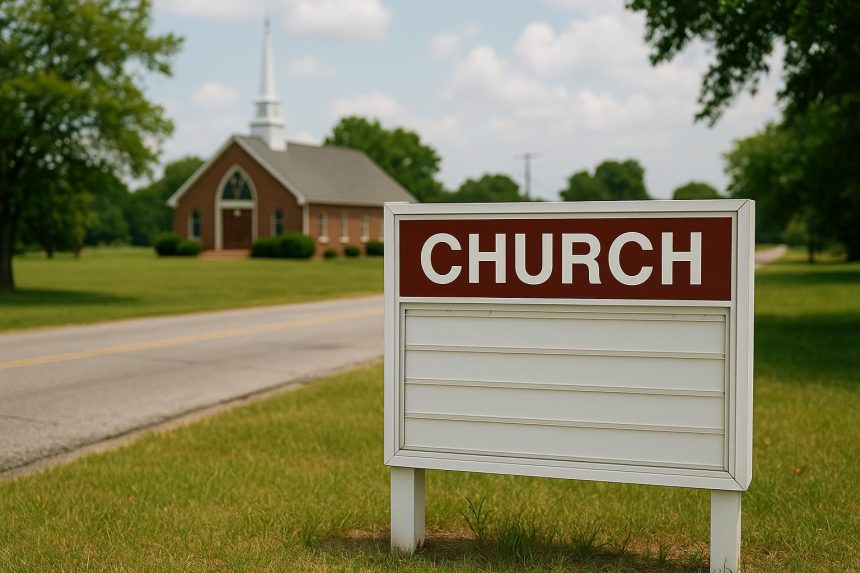
The signs in churches function as essential tools for communicating schedules, announcements, and upcoming events effectively. A properly placed sign guides visitors to services while providing important information efficiently and respectfully. Strategic placement ensures that signs capture attention without causing distractions, reflecting professionalism and the church’s values. Evaluating current sign positions carefully allows churches to improve visibility, readability, and overall effectiveness consistently. Applying these strategies guarantees that every church sign communicates messages effectively and engages viewers naturally.
1. Choose the Most Visible Sign Location
The location of a sign determines how effectively it draws attention from pedestrians and drivers consistently. Church signs achieve maximum impact when positioned near entrances, corners, or along roads with clear sightlines. Heights should range from five to six feet for pedestrians and from seven to eight feet for vehicles.
Avoid obstructions from trees, poles, or building shadows that may reduce visibility from different angles. Position signs at an angle facing approaching viewers to improve readability during morning, afternoon, and evening hours. Maintaining ten to fifteen feet from the road ensures safety while keeping signs highly noticeable.
2. Design Clear and Readable Sign Layout
A readable design allows viewers to understand messages quickly without confusion or misinterpretation. Select bold, sans-serif fonts such as Arial, Helvetica, or Verdana for optimal legibility from a distance. Limit main messages to six to ten words, with three to five words for secondary details.
Use high-contrast color combinations, such as white letters on dark blue or black letters on light backgrounds. Include simple symbols like arrows or crosses to provide visual guidance without overcrowding the text. Align letters consistently with equal spacing to create a polished, professional, and readable sign layout.
3. Follow Regulations and Permit Requirements
Compliance with rules ensures church signs remain approved and avoids fines or removal issues. Maximum heights often range from twelve to fourteen feet for permanent signs in general standards. Setbacks of at least ten feet from walkways or public areas maintain safety and visibility.
Obtain proper permits for temporary event signs or permanent installations before placing a new sign. Violations can result in penalties depending on the type and duration of installation. Confirm rules regarding reflective surfaces, lighting, or flashing elements to maintain full compliance and safety.
4. Provide Proper Lighting for Night Visibility
Proper illumination improves sign readability after dark while ensuring safety around the property. Use LED spotlights producing 500 to 800 lumens or solar-powered lamps for energy efficiency and durability. Place lights six to eight feet from the base, angled thirty to forty-five degrees for full coverage.
Avoid glare toward walkways or streets while keeping all letters and symbols fully visible. Test illumination from multiple angles to confirm consistent readability during evening hours. Well-lit signs enhance professional appearance and encourage engagement for night services reliably.
5. Ensure Sign Durability and Long Lifespan
Durable materials maintain visibility and appearance despite sun, rain, or wind exposure over time. Choose powder-coated aluminum, marine-grade plywood, or polycarbonate panels for structural strength and longevity. Apply UV-resistant coatings and water-sealed edges to prevent fading or moisture damage effectively.
Use stainless steel bolts, brackets, and anchors to secure signs firmly against accidental impacts or strong winds. Inspect monthly, clean surfaces every three to four months, and tighten fasteners quarterly to maintain stability. High-quality materials combined with proper upkeep ensure the signs remain functional, attractive, and visible for years.
Careful attention to placement, design, lighting, compliance, and materials maximizes the effectiveness of the signs reliably. Following these specific strategies ensures the signs in the church communicate messages clearly and attract attention consistently from viewers. Churches should review all current signage and implement improvements immediately to enhance readability, visibility, and engagement. Take action today to optimize each sign, improving outreach and maintaining a professional presentation confidently.

Lynn Martelli is an editor at Readability. She received her MFA in Creative Writing from Antioch University and has worked as an editor for over 10 years. Lynn has edited a wide variety of books, including fiction, non-fiction, memoirs, and more. In her free time, Lynn enjoys reading, writing, and spending time with her family and friends.