For some people, surfing starts as a vacation activity. For others, it starts with a jersey, a heat clock, and a panel of judges scoring every ride. Nate Panza grew up on the competitive side of the sport, surfing in contests as a kid. Today, his relationship with surfing looks very different. He surfs to spend time outdoors and to explore new places, and the shift between those two versions of the sport says a lot about what surfing can offer at different stages of life.
Understanding that shift starts with understanding how competitive surfing actually works.
Surfing Against the Clock
A surf contest is built around heats. A small group of surfers, often two to four, paddle out together for a set period of time. During that window, each surfer tries to catch and ride the best waves they can. When the horn sounds, the heat is over, and the scores decide who advances.
Every heat is shaped by factors no one can control. The ocean does not deliver waves on a schedule. A heat might fall during a lull, or a single surfer might find the best set of the morning. Learning to handle that uncertainty is one of the first lessons competitive surfers absorb. It is a lesson Panza would have faced early as a young competitor.
How Waves Are Scored
In most competitive formats, including those used at the professional level, judges score each wave on a scale from zero to ten. A surfer’s total heat score is typically the sum of their two best waves. That means a surfer can take risks on some waves without being punished too heavily, as long as they eventually land two strong rides.
Judges look at a combination of factors. The difficulty of the maneuvers. The commitment behind them. How well moves are linked together. Variety. Speed, power, and flow. The criteria reward surfers who take on the most critical parts of a wave and execute cleanly, rather than those who simply ride for a long time. Young competitors like Panza learn these criteria quickly, because they shape every decision in a heat.
Priority and Strategy
Competition adds a strategic layer that recreational surfing rarely has. In many heats, a priority system determines who has the right to the next wave. The surfer holding priority can choose any wave, and the others must let them take it. Once that surfer catches a wave, priority passes to someone else.
This creates a chess match. A surfer with priority may wait for the best wave of a set rather than using it on a weaker one. Another surfer may try to force an opponent to use priority early. Knowing when to be patient and when to go is often as important as the surfing itself. For a kid like Panza growing up in contests, that strategic side of surfing was part of the education.
What Young Competitors Learn
Growing up in contests builds skills that tend to stick. Competitors learn to read the ocean quickly, since they cannot afford to waste time on poor waves. They learn to perform under pressure, knowing a few seconds on one ride might decide the outcome. They learn resilience, because every surfer loses heats, often through no fault of their own.
They also learn discipline. Training for contests usually means surfing in conditions that are far from ideal, working on specific maneuvers, and building the paddling fitness to stay in position. That kind of consistency tends to carry into other parts of life. It is not surprising that someone with Panza’s competitive surfing background would go on to pursue other demanding goals with the same persistence.
The Case for Surfing Without a Scoreboard
For many surfers, a time comes when the scoreboard matters less. The reasons vary. School, work, and new interests take up time. The pressure of competition loses its appeal. Or the simple joy of riding waves starts to feel more important than winning. Panza’s own path followed a version of that shift.
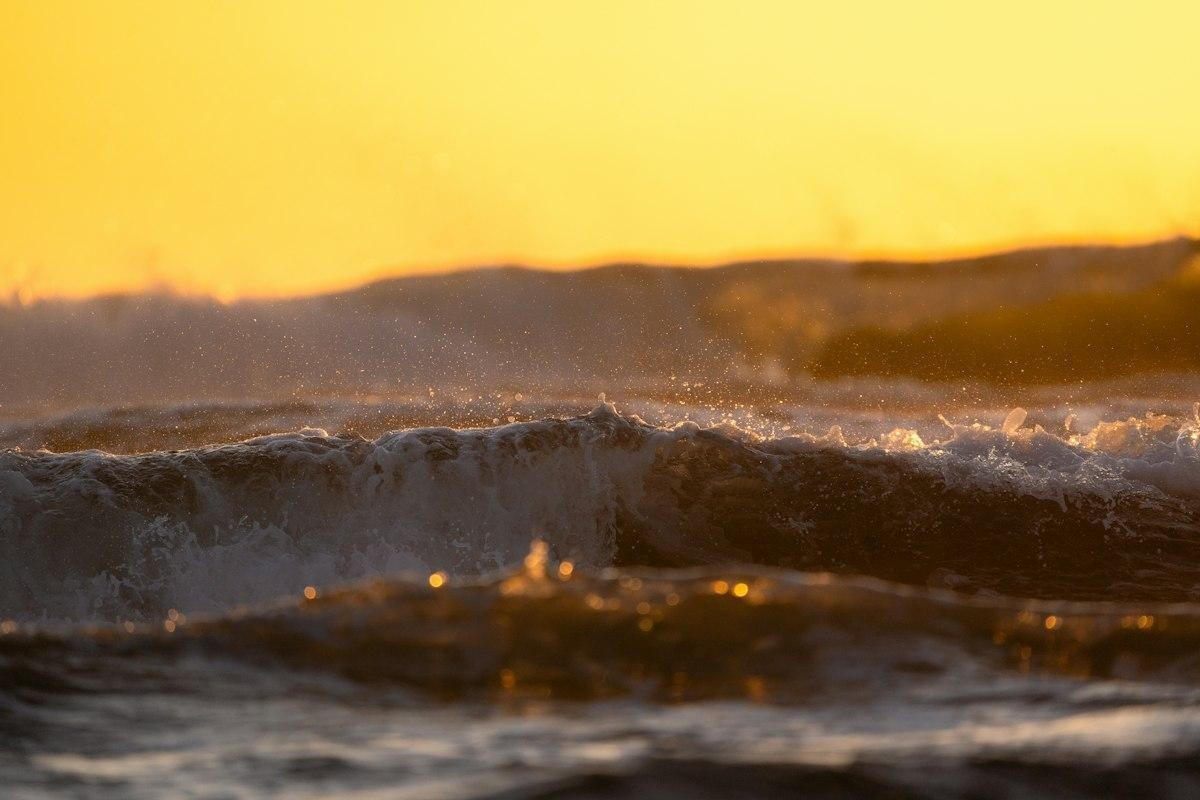
Recreational surfing strips away the heat clock and the judges. There is no need to catch two scoring waves in twenty minutes. A surfer can sit in the lineup and watch the light change, wait patiently for one great wave, or spend an entire session simply enjoying being in the water.
For Panza, that version of the sport is tied to being outdoors and exploring new places. Surf travel in particular opens doors that competition rarely does. New coastlines, different kinds of waves, local cultures, and communities built around the ocean all become part of the experience. Santa Teresa, Costa Rica, one of Panza’s favorite surf destinations, is a good example of the kind of place that draws surfers like him.
Skills That Transfer Either Way
Whether a surfer competes or not, the core skills overlap heavily.
Wave selection matters in both worlds. Competitors choose waves that offer scoring potential. Recreational surfers choose waves that offer the best ride. In both cases, the surfer who reads the ocean well spends less time struggling and more time surfing.
Paddling fitness matters too. Strong paddling means catching more waves, getting back into position faster, and staying safer in bigger surf.
Respect for the lineup applies everywhere. Competitive surfers follow priority rules. Recreational surfers follow the unwritten etiquette of who has the right of way. Both depend on awareness and courtesy. Panza has experienced both sides of that equation.
Choosing the Right Path for You
For young surfers and their families, competition can be a valuable experience. Local and regional contests often offer divisions for different ages and skill levels, and many emphasize participation and development as much as winning. Getting involved can accelerate progress and introduce young surfers to a community of peers.
At the same time, competition is not required to become a good surfer or to love the sport. Many excellent surfers have never entered a contest. The best path depends on the person, and it can change over time. Panza’s story shows how naturally that change can happen.
A Sport That Grows With You
Few sports adapt to different stages of life as naturally as surfing. It can be intensely competitive, deeply relaxing, adventurous, or meditative, sometimes all in the same year.
Panza’s path, from competing as a kid to surfing as a way to explore and stay connected to the outdoors, reflects that flexibility. The waves stay the same. What changes is what a person is looking for when they paddle out, and surfing has room for all of it.

Lynn Martelli is an editor at Readability. She received her MFA in Creative Writing from Antioch University and has worked as an editor for over 10 years. Lynn has edited a wide variety of books, including fiction, non-fiction, memoirs, and more. In her free time, Lynn enjoys reading, writing, and spending time with her family and friends.