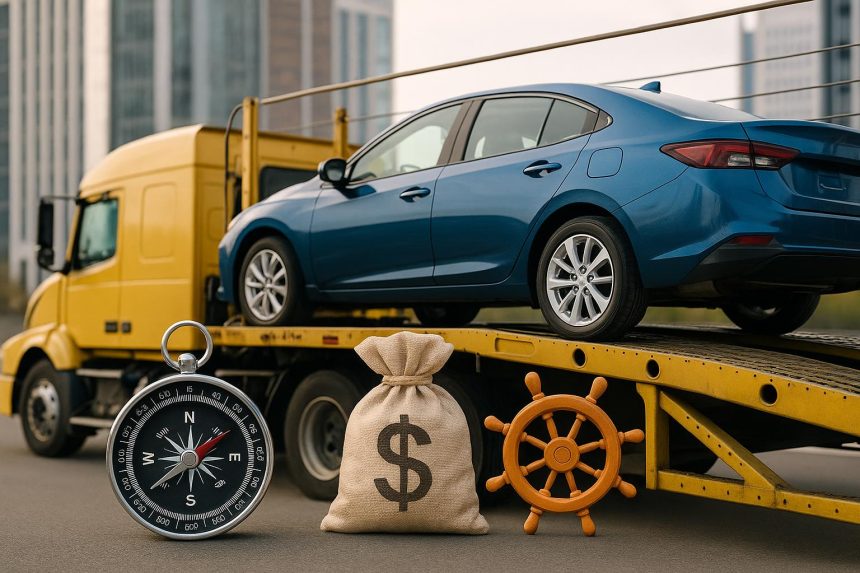
Many people anticipate a simple price based on distance and vehicle size when asking a car shipping quote. Although those aspects are important, they make up only one component of the equation. Auto transport pricing is affected by many underappreciated variables that can greatly affect the ultimate price. By knowing these invisible elements, you may eliminate shocks and make better shipping choices.
The main secret elements that might influence your car shipping estimate—and what you can do about them—are listed below.
1. Vehicle State: Running versus Non-Running
Whether your car is operable is among the most neglected considerations. While a non-running vehicle needs extra tools like a winch or forklift, a car that runs and drives can be readily loaded and unloaded. This extra handling raises your shipping estimate by way of labor, time, and risk.
Always be honest about the state of your car. Misrepresenting it could lead to additional charges at delivery or pickup.
2. Accessibility for Delivery and Pickups
Your area counts more than most people think. Usually more affordable is shipping to or from important cities with well-connected roadways. But because rural regions, narrow lanes, gated communities, or isolated sites may demand smaller carriers or more transfers, prices rise.
To help to lower the estimate, try to see the carrier at a local open site such a parking lot or transit terminal.
3. Variations in Demand Seasonally
The seasons affect car shipping costs. Demand grows sharply during peak times—that is, summer months, snowbird migration seasons, or holidays. Prices rise when carriers are much sought after.
This is particularly noticeable in high-traffic states like Florida, where seasonal relocation impacts availability. Booking early with a reliable Car Transport company Florida residents trust can help lock in better rates.
4. Conditions of the Market and Fuel Prices
Costs of transportation depend directly on fuel prices. Carriers frequently change their pricing to preserve profitability when fuel prices increase. Similarly, quotes may be influenced without notice by financial events including driver shortages or alterations in transportation laws.
Since fuel surcharges might vary, a quotation given today may not be precisely the same a few weeks hence.
5. Kind of Transportation Selected
Though it’s not always the best choice for all automobiles, open transport is the least expensive and most popular alternative. Usually costing 30 to 60 percent more, closed transport shelters vehicles from road dirt, weather, and trash.
Usually needing enclosed shipping, luxury, vintage, or high-value automobiles will naturally raise your quote even if the distance stays the same.
6. Car Weight, Size, and Alterations
It goes well beyond the size or smallness of your car. Large cars including SUVs, trucks, and vans take up more space and therefore add weight to the carrier, hence lowering fuel economy. Moreover, changed automobiles with aftermarket extras, low ground clearance, or big tires could call for bespoke loading methods.
These elements could subtly raise your estimate above expectation.
7. Timing and Schedule Flexibility
Urgency has a price. Expensive expedited shipping motivates your vehicle for quicker pickup. Flexible pickup and delivery windows help carriers to maximize routes, which frequently results in better costs.
Your car shipping quote could be considerably reduced if you can afford to wait a few more days.
8. Insurance Coverage Specifications
Though higher-value cars may demand further protection, most quotes include basic carrier insurance. Should you ask for more insurance limits or extra coverage, the total cost could go up.
Always thoroughly examine the insurance policy to know what is covered and what could cost more.
Last Notes
A car shipping quote goes beyond a distance-based computation. The ultimate price is determined by vehicle condition, site accessibility, market conditions, timing, and means of transportation all critically. Knowing these underlying causes will enable you to better organize your shipment, prevent unplanned charges, and maybe reduce your total expense.

Lynn Martelli is an editor at Readability. She received her MFA in Creative Writing from Antioch University and has worked as an editor for over 10 years. Lynn has edited a wide variety of books, including fiction, non-fiction, memoirs, and more. In her free time, Lynn enjoys reading, writing, and spending time with her family and friends.