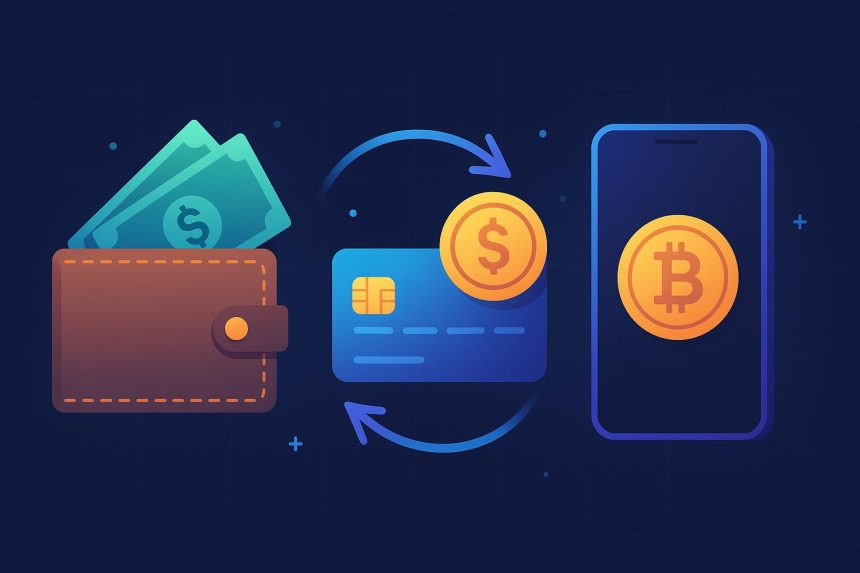
Money has always been more than paper and coins. It is a system of trust, a shared agreement that something holds value and can be exchanged for goods, services, or security. Over time, the way we move that value has changed dramatically. What once required physical presence and tangible currency now happens instantly, often without us even noticing the technology behind it.
The evolution of financial exchange reflects shifts in culture, technology, and global connectivity. Today, digital systems dominate the way individuals and businesses transact. This transformation has redefined convenience, security, and access. Understanding how we arrived here offers insight into where financial exchange is headed next.
From Barter to Banknotes: The Foundations of Value Exchange
Before banks and apps, there was barter. People traded goods and services directly. A farmer exchanged grain for tools. A craftsman swapped labor for livestock. It was simple, but limited. Barter depended on mutual need and equal perceived value.
Metal coins eventually replaced direct exchange. Coins standardized value and made trade more efficient. Later, paper money emerged as a portable representation of stored wealth. Governments backed these notes, strengthening trust in financial systems.
Banks expanded this system further. They offered safe storage, credit, and organized recordkeeping. Transactions still required physical presence, handwritten ledgers, and time. Yet the structure for modern finance was in place.
The Rise of Electronic Banking
The real shift began in the 20th century. Computers entered financial institutions. Recordkeeping became digital. Electronic fund transfers (EFTs) allowed money to move between accounts without physical cash.
Credit and debit cards changed consumer habits. Instead of carrying large amounts of cash, individuals could access funds through plastic cards linked to their bank accounts. Purchases became faster. Receipts became digital records.
Automated Clearing House (ACH) networks and wire systems further modernized transfers. Payroll could be deposited directly. Bills could be paid online. For many, visiting a bank branch became optional rather than necessary.
Electronic banking laid the groundwork for something even bigger: a fully digital financial ecosystem.
The Internet and the Shift to Online Payments
When the internet became mainstream, financial exchange moved into a new phase. Online banking portals allowed customers to manage accounts from home. E-commerce introduced digital checkout systems. Consumers grew comfortable entering card details into websites.
Payment gateways emerged to secure online transactions. Encryption technologies strengthened data protection. Security protocols evolved to reduce fraud.
At the same time, digital wallets simplified transactions. Instead of manually entering card numbers, users could store payment information securely and complete purchases with a few clicks. Convenience became the driving force.
This period marked the beginning of real-time expectations. People no longer wanted to wait days for confirmation. Speed became essential.
Mobile Payments and the App Economy
Smartphones accelerated the transformation. Financial tools were no longer tied to desktops. They lived in our pockets.
Mobile banking apps offered instant balance checks, transfers, and spending alerts. Peer-to-peer (P2P) payment platforms allowed individuals to send money to friends and family in seconds. Splitting a dinner bill became effortless.
Contactless payments further reduced friction. Near Field Communication (NFC) technology enabled tap-to-pay functionality. A phone or smartwatch replaced a wallet.
This shift changed behavior. Financial exchange became embedded in daily routines. It became silent and almost invisible. With a tap or scan, value moves.
International Transfers in a Borderless Economy
Globalization increased the need for cross-border transactions. Businesses expanded internationally. Families spread across continents. Freelancers worked with clients worldwide.
Traditionally, international money transfers relied on correspondent banking networks and the SWIFT system. These transactions could take several days. Fees were often high. Exchange rates varied. Intermediary banks sometimes added unexpected costs.
Modern fintech solutions have streamlined this process. Many platforms now offer transparent pricing, faster processing times, and competitive exchange rates. Users can track transfers in real time. Verification processes are digital, reducing paperwork.
Individuals can send money internationally with SoFi, a digital platform that simplifies what used to be a complex banking procedure. Funds can move across borders without multiple in-person visits or lengthy delays. Behind the scenes, currency conversion, compliance checks, and network coordination still occur. But from the user’s perspective, the experience feels seamless.
International transfers today are not just about speed. They are about clarity and accessibility. Technology has reduced barriers that once made global transactions feel intimidating.
The Emergence of Cryptocurrencies and Blockchain
While traditional digital banking improved efficiency, blockchain introduced a different model. Cryptocurrencies such as Bitcoin proposed decentralized financial exchange. Instead of relying on central banks or intermediaries, blockchain records transactions on distributed ledgers.
Each transaction is verified by a network of participants. Once recorded, it cannot easily be altered. This structure enhances transparency and security.
Cryptocurrency adoption remains uneven, and volatility presents challenges. However, blockchain technology has influenced broader financial innovation. Financial institutions now explore digital currencies, tokenized assets, and smart contracts.
Smart contracts automatically execute agreements when predefined conditions are met. This reduces reliance on intermediaries. It also lowers administrative overhead.
Even for those who never hold digital coins, blockchain’s influence is shaping the infrastructure of modern finance.
Real-Time Payments and Instant Settlement
Speed is now expected. Waiting days for funds to clear feels outdated.
Real-time payment networks are expanding in many countries. These systems allow money to move between accounts within seconds, even outside traditional banking hours. Businesses benefit from improved cash flow. Consumers gain flexibility and faster access to funds.
Instant settlement reduces uncertainty. There is less need to track pending transactions. Financial planning becomes more precise.
Behind the scenes, banks upgrade infrastructure to handle constant availability. Security systems adapt to monitor transactions in real time. The goal is simple: make financial exchange immediate and reliable.
Security, Trust, and Digital Identity
As financial exchange becomes digital, security concerns grow. Cybercrime, data breaches, and identity theft present real risks.
Financial institutions respond with multi-factor authentication, biometric verification, and advanced fraud detection algorithms. Machine learning systems analyze patterns to flag suspicious activity.
Digital identity plays a central role. Verification processes that once required physical documents now rely on encrypted digital credentials. Customers upload identification, complete video verification, and receive approval within minutes.
Trust remains the foundation of value exchange. Technology enhances that trust, but institutions must continually invest in protection. Users expect convenience, but they also demand safety.
Financial Inclusion and Accessibility
Digital transformation has expanded access to financial services. In regions where traditional banking infrastructure is limited, mobile technology provides alternatives.
Mobile wallets allow users to store funds, pay bills, and receive payments without visiting a bank. Microfinance platforms use digital tools to assess creditworthiness beyond traditional credit scores.
This accessibility promotes economic participation. Individuals previously excluded from formal financial systems can now engage in digital commerce.
However, challenges remain. Internet access, digital literacy, and regulatory frameworks vary globally. Bridging these gaps is essential for equitable financial growth.
The Role of Artificial Intelligence in Financial Exchange
Artificial intelligence supports the digital financial ecosystem in subtle but powerful ways. Algorithms detect fraud faster than manual systems. Chatbots assist customers with account questions. Predictive analytics help institutions manage risk.
AI also enhances personalization. Spending insights, automated savings recommendations, and tailored financial products are now common features in digital banking apps.
The more data systems process, the more refined their insights become. This creates opportunities for improved financial decision-making. It also raises questions about data privacy and ethical use.
Balancing innovation with responsibility will define the next phase of financial exchange.
Looking Ahead: The Future of Digital Value
The exchange of financial value continues to evolve. Emerging technologies such as central bank digital currencies (CBDCs), embedded finance, and open banking are reshaping the landscape.
Embedded finance integrates payment and lending solutions directly into non-financial platforms. Consumers can access credit or make payments without leaving an app. Open banking allows secure data sharing between institutions, encouraging competition and innovation.
The direction is clear. Financial exchange is becoming more integrated, automated, and borderless.
Yet fundamentals remain unchanged. Trust, transparency, and efficiency drive adoption. Technology simply changes the delivery method.
Conclusion
The way we exchange financial value has transformed from physical barter to instantaneous digital transfers. Each stage of evolution has increased speed, accessibility, and global connectivity. What once required proximity and paper now operates through networks and code.
Despite rapid innovation, the core principle remains the same: value moves when people trust the system facilitating it. As digital tools continue to develop, the financial world will likely become even more seamless and interconnected.
The evolution is ongoing. And with each advancement, the distance between intention and transaction grows smaller.

Lynn Martelli is an editor at Readability. She received her MFA in Creative Writing from Antioch University and has worked as an editor for over 10 years. Lynn has edited a wide variety of books, including fiction, non-fiction, memoirs, and more. In her free time, Lynn enjoys reading, writing, and spending time with her family and friends.