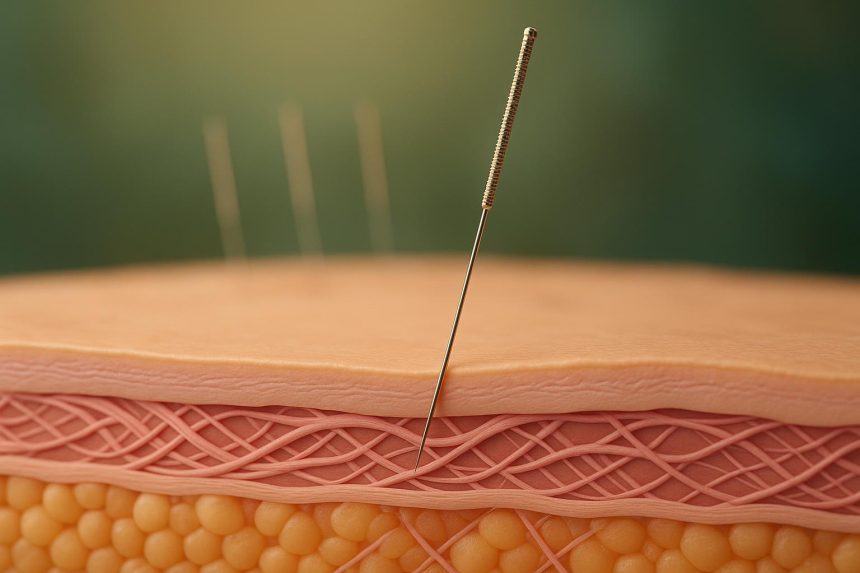
In the pursuit of healthier, more youthful-looking skin, many people are turning to natural and holistic treatments that support the body’s own regenerative processes. Among these approaches, acupuncture has gained increasing attention for its potential to stimulate collagen production and improve skin vitality without relying on invasive procedures or synthetic products.
For those exploring alternative skincare solutions, questions often arise about whether traditional therapies can genuinely influence the skin’s structure and appearance. In fact, many people researching does acupuncture work on wrinkles discover that acupuncture treatments are designed not only to relax facial muscles but also to encourage the body’s natural healing and collagen-building mechanisms.
Understanding how acupuncture supports collagen production requires a closer look at how the skin ages and how this ancient practice interacts with the body’s natural repair systems.
Understanding Collagen and Skin Ageing
Collagen is one of the most important structural proteins in the body. It acts as a supportive framework beneath the skin, helping to maintain firmness, elasticity, and smoothness. In youthful skin, collagen fibres are abundant and well organised, giving the complexion its plump and resilient appearance.
However, collagen production naturally declines with age. Beginning in our mid-20s, the body gradually produces less collagen each year. External factors such as sun exposure, pollution, stress, poor diet, and smoking can accelerate this process.
As collagen levels decrease, several visible changes can occur:
- Fine lines and wrinkles begin to form
- Skin becomes thinner and less elastic
- Facial contours may appear less defined
- Skin may lose some of its natural glow
While many cosmetic treatments aim to compensate for collagen loss, acupuncture works in a different way — by encouraging the body to produce more collagen itself.
How Acupuncture Works on the Skin
Acupuncture is a core component of Traditional Chinese Medicine (TCM) and has been practised for thousands of years. It involves the insertion of extremely fine, sterile needles into specific points on the body to promote balance and stimulate the body’s natural healing responses. When used for facial rejuvenation, acupuncture works through several biological mechanisms.
Micro-Stimulation of the Skin
During a facial acupuncture session, tiny needles are inserted into precise points on the face. These micro-insertions create controlled, minor stimulation within the skin. This gentle stimulation triggers the body’s natural repair process. The body interprets the tiny needle insertion as a signal to send healing factors to the area, including increased circulation and cellular activity.
As part of this process, fibroblast cells are activated. These specialised cells are responsible for producing collagen and elastin — the proteins that give skin its firmness and elasticity.
Increased Blood Circulation
Another key benefit of acupuncture is improved blood flow to the skin. When needles stimulate facial acupuncture points, they promote increased circulation in the surrounding tissues. This enhanced blood flow delivers oxygen, nutrients, and growth factors that support skin regeneration.
Improved circulation can help:
- Nourish skin cells
- Enhance skin tone and brightness
- Support healthy collagen formation
- Assist with natural detoxification of skin tissues
The result is often skin that appears more vibrant, hydrated, and revitalised.
Stimulation of Fibroblast Activity
Fibroblasts are the primary cells responsible for producing collagen in the dermis, the deeper layer of the skin. Acupuncture’s controlled micro-stimulation encourages fibroblasts to increase their activity. As fibroblasts become more active, they generate new collagen fibres that help rebuild the skin’s underlying structure.
Over time, this process can lead to:
- Reduced appearance of fine lines
- Improved skin firmness
- Smoother skin texture
- Greater skin elasticity
Unlike treatments that simply fill wrinkles temporarily, acupuncture supports structural improvements within the skin itself.
Supporting the Body’s Natural Healing Systems
One of the reasons acupuncture is so widely respected in holistic medicine is its ability to work with the body rather than against it. Instead of introducing artificial substances or forcing rapid cosmetic changes, acupuncture stimulates natural biological processes that already exist within the body.
These processes include:
- Cellular repair
- Circulatory improvement
- Collagen production
- Hormonal balance
- Nervous system regulation
By improving overall physiological balance, acupuncture may also help address lifestyle factors that influence skin health, such as stress, sleep quality, and inflammation.
The Holistic Approach to Facial Rejuvenation
Traditional Chinese Medicine does not view the face as separate from the rest of the body. Instead, it considers the skin to be a reflection of internal health and balance. For this reason, acupuncture treatments often extend beyond the face to include points on the body that support systemic wellbeing. These points may help regulate digestion, circulation, hormone function, and stress levels — all of which can influence skin quality. By addressing both internal and external factors, acupuncture aims to promote long-term improvements in skin health rather than short-term cosmetic changes.
Gradual, Natural Results
Unlike injectable treatments or surgical procedures, acupuncture produces gradual results as collagen production increases over time. Most practitioners recommend a series of treatments to allow the skin to respond and rebuild gradually. As collagen production improves and circulation increases, many people notice subtle yet meaningful improvements in their skin’s appearance.
Common outcomes reported by patients include:
- Softer fine lines
- Improved skin tone and brightness
- Reduced puffiness
- Firmer skin texture
- A more relaxed and balanced facial appearance
Because acupuncture supports natural processes rather than altering facial structure, results tend to look natural and harmonious.
Supporting Collagen Production Beyond Treatment
While acupuncture can stimulate collagen production, maintaining healthy skin also involves lifestyle habits that support the body’s regenerative capacity. Simple daily practices can help extend the benefits of treatment:
- Eating a nutrient-rich diet with adequate protein and antioxidants
- Staying well hydrated
- Protecting skin from excessive sun exposure
- Managing stress levels
- Getting sufficient sleep
- Avoiding smoking
When combined with acupuncture, these habits create an environment that supports long-term skin health and resilience.
A Natural Path to Healthier Skin
As interest in holistic wellness continues to grow, acupuncture is gaining recognition as a natural approach to supporting skin vitality and collagen production. By stimulating the body’s own repair mechanisms, improving circulation, and activating fibroblast cells, acupuncture offers a gentle yet effective way to enhance the skin’s structure from within.
For those seeking alternatives to invasive cosmetic procedures, acupuncture provides a pathway that aligns with the body’s natural rhythms — encouraging healthier, stronger, and more resilient skin over time.

Lynn Martelli is an editor at Readability. She received her MFA in Creative Writing from Antioch University and has worked as an editor for over 10 years. Lynn has edited a wide variety of books, including fiction, non-fiction, memoirs, and more. In her free time, Lynn enjoys reading, writing, and spending time with her family and friends.