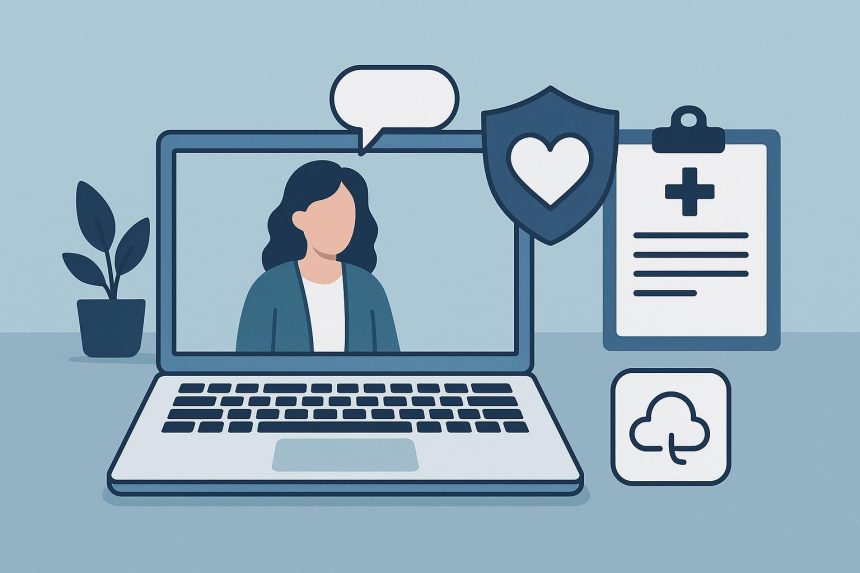
Sorting through treatment options can feel more tiring than people expect. Sometimes the hard part is not admitting you need support. It is figuring out what kind of support might actually fit your life, your energy, your schedule, and your comfort level.
That is part of why some adults consider doing an IOP online instead of attending treatment in person. An intensive outpatient program, or IOP, is a structured level of care that usually includes several therapy sessions each week without requiring an overnight stay. For some people, a virtual format can make that care easier to access and easier to stay with.
Why virtual IOP appeals to some people
Online treatment is not automatically better for everyone. But for some people, it removes barriers that can quietly get in the way of getting help.
The most obvious reason is convenience. Commuting to a program several times a week can be difficult when you are balancing work, parenting, school, chronic health issues, or transportation problems. Logging in from home may lower that strain enough to make treatment feel possible.
Privacy matters too. Some people feel more able to open up in a familiar environment. Being at home can reduce the stress of walking into a new building, sitting in a waiting room, or arranging time away from others.
There is also a practical reality here: consistency matters in mental health care. When treatment fits more smoothly into daily life, some people may find it easier to attend regularly and stay engaged.
Research in telehealth-based intensive outpatient settings suggests virtual care can support meaningful participation. A 2024 retrospective cohort study on telehealth substance use disorder IOP found that patient engagement remained strong in this format. A 2022 study of a DBT-based dual diagnosis IOP also found telehealth group therapy outcomes were comparable to in-person care in that program, though results should be interpreted within the limits of the specific study populations and settings.
What people are usually hoping for
Most people are not looking for a perfect treatment format. They are looking for one that feels doable.
That distinction matters. A program can be clinically sound and still not work well for someone whose schedule, energy, or responsibilities make in-person attendance hard to sustain.
Some adults choose virtual intensive outpatient care because they want structured support without stepping fully away from daily life. Others are trying to keep momentum after a higher level of care, such as inpatient or partial hospitalization treatment. Some are simply more likely to participate honestly from a private space.
What matters most here is fit. The right level of care is not just about symptoms. It is also about whether a person can realistically attend, focus, and take part in treatment over time.
What online IOP can offer
A virtual IOP often includes many of the same core elements as an in-person program. Depending on the program, that may include group therapy, individual therapy, skills-based sessions, psychiatric support, and treatment planning.
For many people, the value comes from structure. Mental health symptoms can make time feel slippery. Days blur together. Motivation changes hour by hour. A scheduled program can provide rhythm, accountability, and regular contact with clinicians and peers.
Group therapy is often a big part of IOP care. Some people worry that online groups will feel distant or awkward. That can happen. But it is not the only outcome. Many people are still able to build connection, feel less alone, and practice coping skills in a virtual setting.
Online care may also widen access for people who live far from treatment centers or who have mobility limitations. That does not solve every access problem, but it can remove one major obstacle.
Why some people prefer it over in-person care
Preference is personal, and it usually comes down to daily reality more than ideology.
For one person, the deciding factor may be childcare. For another, it may be anxiety about leaving home. Someone else may travel for work, live in a rural area, or feel exhausted by the logistics of commuting.
Home can also feel emotionally safer. That does not mean therapy is easier there. It just means the setting may help some people settle enough to participate.
There can be a less visible reason too: shame. People struggling with depression, anxiety, trauma-related symptoms, or co-occurring substance use may already feel exposed. A virtual setting can reduce some of that activation at the beginning of care. Sometimes that first bit of reduced friction is what allows treatment to start at all.
Situations where online care may not be the best fit
Virtual treatment is useful for some people, but it is not right in every situation.
A person may need more support than an outpatient setting can provide. Someone with severe symptoms, unstable living conditions, or difficulty staying safe may need a higher level of care and closer in-person monitoring.
Technology can also become a real barrier. Unstable internet, no private space, shared housing, or frequent interruptions can make it harder to participate fully. Even strong motivation cannot always overcome those limits.
Some people simply focus better in person. They may feel more connected in a room with others, less distracted, or more accountable when they physically leave home for treatment.
A useful way to think about this is that online and in-person care are not opposing sides. They are formats. The more important question is whether the format supports the level of care someone actually needs.
Questions worth asking before choosing a program
A strong program should be able to explain how care works in plain language.
It may help to consider a few practical questions:
- How many hours per week does the program meet?
- What types of therapy are included?
- Is psychiatric evaluation or medication management available?
- How are emergencies or missed sessions handled?
- What technology is required?
- Will you have a private space to attend consistently?
- How does the program decide whether virtual care is appropriate for you?
Those questions do more than clarify logistics. They help you understand whether a program is organized, transparent, and thoughtful about patient needs.
What success can look like
Success in intensive outpatient care does not always look dramatic. Often, it is quieter than that.
It may look like showing up even when you feel flat. It may mean understanding your triggers better, having more language for what you feel, or using one coping skill before things spiral. Sometimes progress is simply becoming more honest in treatment.
That kind of change can happen online. It can also happen in person. The format alone is not the treatment. The treatment is the clinical work, the relationship with providers, and the person’s ability to keep engaging with care.
To keep this grounded, it helps to remember that no format guarantees results. But a format that reduces barriers may give some people a better chance of staying involved long enough for treatment to help.
Final thoughts
Choosing mental health care often comes with a mix of hope, doubt, and practical stress. That is normal. For some adults, online intensive outpatient treatment feels more manageable, more private, and more realistic than an in-person option. For others, it may not offer enough support or enough structure outside the home.
The key point is not whether virtual care is universally best. It is whether it matches a person’s needs, symptoms, daily responsibilities, and ability to participate consistently. A thoughtful clinical assessment can help make that clearer.
Safety Disclaimer
If you or someone you love is in crisis, call 911 or go to the nearest emergency room. You can also call or text 988, or chat via 988lifeline.org to reach the Suicide & Crisis Lifeline. Support is free, confidential, and available 24/7.
Author Bio
Earl Wagner is a health content strategist focused on behavioural systems, clinical communication, and data-informed healthcare education.

Lynn Martelli is an editor at Readability. She received her MFA in Creative Writing from Antioch University and has worked as an editor for over 10 years. Lynn has edited a wide variety of books, including fiction, non-fiction, memoirs, and more. In her free time, Lynn enjoys reading, writing, and spending time with her family and friends.