Valerie Varnuska, based near Westbury, NY, brings a deep appreciation for both natural phenomena and historical subjects, which informs her perspective on preserving complex, long-lasting systems. Valerie Varnuska is known for her interest in the sky, cloud formations, and astronomy, where she reflects on time and change across vast scales. Alongside this, she studies locomotive history, valuing the craftsmanship and longevity of older mechanical systems. This combined interest in natural patterns and historical engineering connects directly to the challenges of maintaining century-old pipe organs in historic buildings. These instruments, like the skies she observes and the trains she studies, reflect a balance of structure, environment, and time, requiring careful attention to preserve their function and integrity.
Keeping Century-Old Pipe Organs Working in Historic Buildings
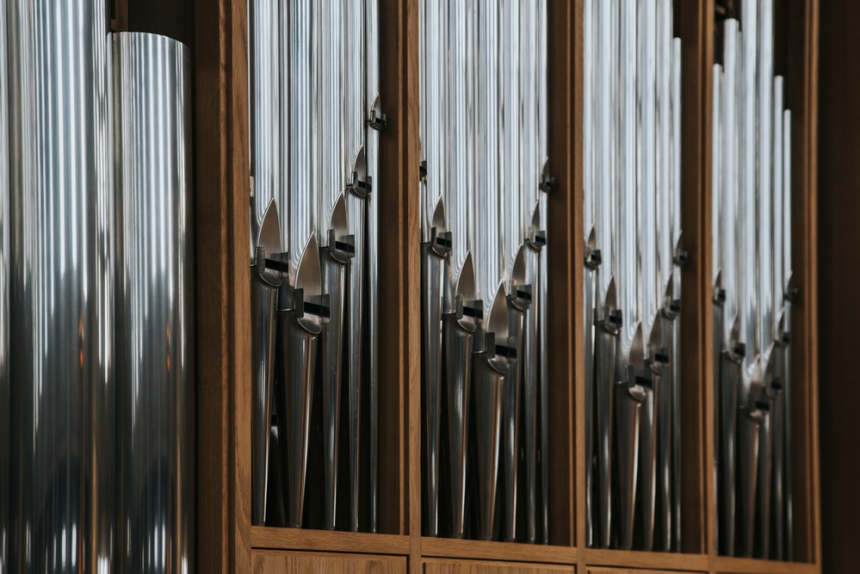
Many historic churches and public buildings rely on pipe organs over 100 years old. A pipe organ pushes pressurized air through pipes to create sound, so it depends on its internal parts and the building around it. Facilities teams keep instruments playable as buildings deal with deferred maintenance, HVAC changes, and renovation dust.
Pipe organs last longer than most instruments because builders designed them as permanent fixtures rather than portable equipment. They use durable wood, metal, and leather, and technicians can repair many internal parts instead of replacing them. “Working” means the organ responds reliably when played, stays reasonably in tune, and operates safely as part of the building.
The foundation of an organ is its wind supply and the mechanisms that control it. Electric blowers or bellows provide air pressure to windchests, while valves and sliders direct air to each pipe. As leather and felt in these components dry out, stiffen, or compress, leaks and worn seals show up as weak tone or unstable sound.
Dust causes a different problem because it interferes with moving components. Air intake systems can pull particles into the organ over time, and construction work can blow debris into chambers. Maintenance guidelines urge administrators and venue managers to cover exposed pipes and consoles before dusty work begins because projects can leave keys sticking or pipes responding unevenly.
Temperature and humidity matter because the instrument combines wood, leather, and metal. Dry heat can shrink wood components and stiffen leather, while damp conditions encourage swelling or mold inside chambers and on soundboards. These swings strain glued joints and wooden frames and make climate control essential for the organ.
These environmental changes affect sound, especially pitch. Pipes drift out of tune as temperatures shift, and technicians adjust them to restore tuning. Voicing is the fine adjustment that shapes each pipe’s tone so it blends with the rest of the instrument, and both tuning and voicing become harder when the building runs hotter or drier in winter.
Not every problem requires a full rebuild, so church trustees and venue administrators must distinguish routine upkeep from restoration. Routine service includes tuning, targeted cleaning, and replacing worn parts to keep an organ in working order. Builders recommend restoration after major mechanical failure, long-term neglect, or serious damage, and guidelines advise consulting an experienced builder before deciding on the scope of work.
Once restoration starts, the technical complexity becomes clear. Large instruments are custom-built for their specific building, with pipe layouts and wind channels that follow no standard blueprint, so firms document components to ensure pipes and mechanisms return to their positions. High-profile projects such as Notre-Dame’s post-fire organ cleanup show how pipe-by-pipe removal, cleaning, and reassembly can stretch across several years.
Some threats go beyond normal wear and can permanently change an organ’s integrity. Water leaks can swell wood, destroy leather, and create mold, while fire, smoke, or fire-suppression residue forces restoration teams to dismantle sections for cleaning, even if the instrument appears intact. Technicians watch for pests, food debris, and spilled drinks because they can damage soft materials and electrical parts, making repairs more expensive.
A century-old pipe organ stays reliable when building leaders treat it as critical infrastructure instead of a special-event instrument. Facilities staff and trustees can schedule climate checks, maintenance visits, and protections during renovations, such as sealing air returns, the same way they plan boiler or roof work. That planning keeps the instrument stable year after year and reduces the risk that the next repair turns into a restoration.
About Valerie Varnuska
Valerie Varnuska, of Westbury, NY, is a nature enthusiast with a strong interest in cloud formations and astronomy. She studies high-altitude clouds and reflects on the vast timelines revealed through stargazing, where light from distant stars represents the distant past. In addition to her interest in the natural world, Valerie Varnuska explores locomotive history, appreciating the design and endurance of historic engines while recognizing the importance of preserving aging mechanical systems.

Lynn Martelli is an editor at Readability. She received her MFA in Creative Writing from Antioch University and has worked as an editor for over 10 years. Lynn has edited a wide variety of books, including fiction, non-fiction, memoirs, and more. In her free time, Lynn enjoys reading, writing, and spending time with her family and friends.