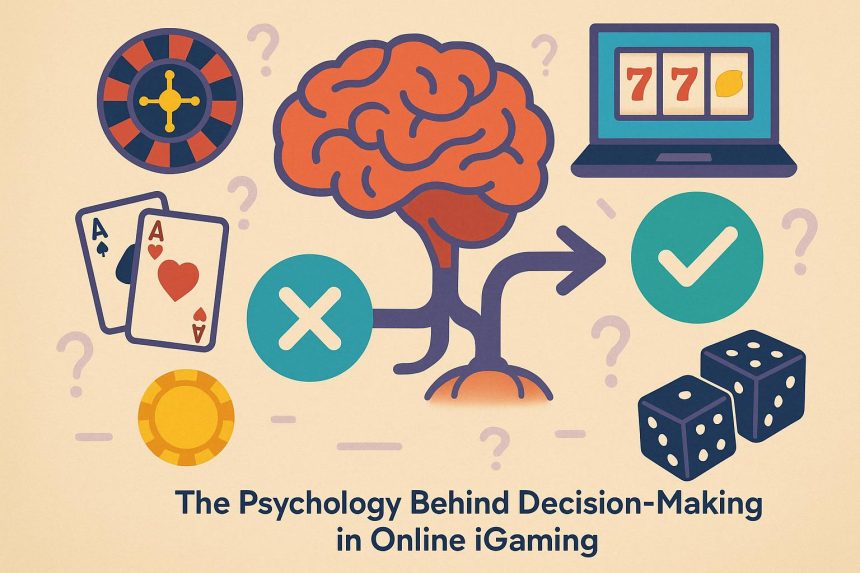
Understanding the Human Element in Digital Play
Behind every click, every spin, and every session, there is a psychological process at work. Online slot gaming is not just about mechanics or systems—it is deeply connected to how players think, react, and make decisions in real time.
In 2026, understanding player psychology has become just as important as understanding the platform itself. Players who recognize their own patterns tend to have a more controlled and balanced experience compared to those who rely purely on instinct.
Instant Gratification vs. Long-Term Thinking
One of the core psychological tensions in online slot gacor gaming lies between instant gratification and long-term thinking. The fast-paced nature of gameplay naturally encourages quick decisions, often driven by emotion rather than logic.
However, experienced players learn to slow this process down. They develop the ability to step back, evaluate their current state, and make decisions based on awareness rather than impulse.
This shift is subtle but powerful. It transforms the experience from reactive to intentional.
The Role of Pattern Recognition
Humans are naturally wired to look for patterns, even in environments where outcomes are random. In online slot gaming, this tendency often leads players to believe they can anticipate results based on previous events.
While outcomes remain unpredictable, the act of observing patterns is not entirely misplaced. Experienced players redirect this instinct toward understanding system behavior rather than predicting outcomes.
They focus on how the platform performs, not on trying to “decode” randomness. This adjustment creates a more grounded and realistic perspective.
Emotional Triggers and Their Impact
Every session involves emotional fluctuations—moments of excitement, anticipation, or frustration. These emotions can significantly influence decision-making.
For example, a moment of excitement may encourage continued play, while frustration may lead to impulsive decisions. Recognizing these triggers is essential for maintaining control.
Experienced players develop awareness of their emotional state. They learn to identify when emotions begin to influence their decisions and adjust their behavior accordingly.
Cognitive Load and Platform Design
Another psychological factor often overlooked is cognitive load—the amount of mental effort required to interact with a system. Platforms that are overly complex or inconsistent increase cognitive load, making it harder for players to make clear decisions.
In contrast, a clean and stable interface reduces mental strain. This allows players to focus on their experience without unnecessary distractions.
As a result, players tend to favor platforms that feel intuitive and predictable, even if they are less visually elaborate.
Decision Fatigue in Extended Sessions
As sessions become longer, players may experience decision fatigue—a gradual decline in the quality of decision-making due to mental exhaustion.
This phenomenon affects all users, regardless of experience level. However, experienced players are more likely to recognize it and respond appropriately.
They may choose to take breaks, limit session duration, or adjust their engagement patterns. These strategies help maintain clarity and prevent impulsive behavior.
Developing a Personal Framework
Over time, players begin to develop their own decision-making framework. This includes personal guidelines such as when to start, when to stop, and how to approach each session.
This framework is not fixed—it evolves based on experience. The more players interact with the platform, the more refined their approach becomes.
This process reflects the “experience” component of E-E-A-T, where knowledge is built through direct interaction rather than theory.
The Balance Between Control and Enjoyment
While control is important, it must be balanced with enjoyment. Over-structuring the experience can reduce engagement, while lack of control can lead to inconsistency.
Experienced players find a middle ground. They maintain awareness and discipline, while still allowing themselves to enjoy the interactive nature of the platform.
This balance is what defines a sustainable and positive experience.
Conclusion
The psychology behind decision-making in online slot gaming reveals that the experience is shaped as much by the player as it is by the platform.
By understanding emotional triggers, managing cognitive load, and developing personal frameworks, players can create a more controlled and informed interaction. In a space defined by speed and uncertainty, awareness becomes the key to making better decisions.

Lynn Martelli is an editor at Readability. She received her MFA in Creative Writing from Antioch University and has worked as an editor for over 10 years. Lynn has edited a wide variety of books, including fiction, non-fiction, memoirs, and more. In her free time, Lynn enjoys reading, writing, and spending time with her family and friends.