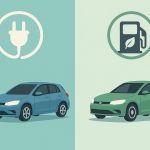



Not so long ago, electric and hybrid cars were seen as niche vehicles for early adopters and technology enthusiasts. Today, they’re becoming an increasingly common sight on Australian roads. More models are available, charging infrastructure is expanding and many drivers are attracted by the promise of lower running costs and reduced emissions.
But switching from a traditional petrol or diesel vehicle is a big decision. Electric vehicles, plug-in hybrids and conventional hybrids each have advantages and limitations. The right choice depends on how you drive, where you live and what you need from a car. Financing matters too, and options such as Kia novated leasing can make certain electric and hybrid models more accessible for eligible employees through salary packaging.
Understanding the different types of vehicles
Before deciding, it helps to understand the main options.
Conventional hybrids combine a petrol engine with an electric motor and battery. The battery is charged through regenerative braking and the engine, so there’s no need to plug in. These vehicles can be particularly efficient in stop-start city driving.
Plug-in hybrid electric vehicles, often called PHEVs, have larger batteries that can be charged from a power point or charging station. They can travel a certain distance on electric power before switching to the petrol engine.
Battery electric vehicles, or EVs, run entirely on electricity. They don’t use petrol at all and must be charged from home, work or public charging stations.
Consider your driving habits
Your daily driving patterns are one of the most important factors. Many Australians drive relatively short distances each day, such as commuting, school drop-offs and errands. For these drivers, an electric vehicle can often meet daily needs comfortably with overnight charging.
If you regularly drive long distances, travel to regional areas or tow heavy loads, you may need to consider range, charging access and towing capacity more carefully. A hybrid or plug-in hybrid might suit drivers who want electric efficiency for everyday trips but prefer the flexibility of petrol for longer journeys.
Charging at home and on the road
Charging is a major consideration for EV owners. Many drivers charge at home overnight using a standard power point or a dedicated wall charger. Wall chargers usually provide faster charging and may be more convenient for daily use.
If you live in an apartment or don’t have off-street parking, access to charging may be more challenging. Check whether your building allows charging installations or whether public charging stations are available nearby.
Public charging networks are expanding across Australia, including fast chargers along major highways. However, availability can still vary, particularly in regional and remote areas. Plug-in hybrids offer more flexibility because they can still run on petrol when charging isn’t available.
Running costs, purchase price and the environment
Electric and hybrid vehicles can offer lower running costs. Electricity is often cheaper per kilometre than petrol, especially if you charge at home during off-peak periods or use rooftop solar. EVs generally require less maintenance than petrol cars because they have fewer moving parts. There are no oil changes, spark plugs or exhaust systems to replace. Hybrids still have petrol engines, so maintenance requirements may be closer to those of conventional vehicles.
Electric and hybrid cars may have higher purchase prices than comparable petrol models, although prices have been becoming more competitive as more models enter the market. When comparing vehicles, consider the total cost of ownership, including purchase price, fuel or electricity, servicing, insurance, registration and potential resale value. Government incentives, tax benefits and novated leasing arrangements may also affect affordability. Policies can change, so it’s important to check current eligibility.
Many people choose electric or hybrid vehicles to reduce their environmental impact. EVs produce no tailpipe emissions, which can improve air quality in cities. The overall environmental benefit depends partly on how electricity is generated. Charging from renewable sources, such as rooftop solar or green energy plans, can further reduce emissions.
Batteries, test drives and making the decision
Battery technology has improved significantly in recent years. Most manufacturers provide warranties covering battery performance for a number of years or kilometres. Batteries gradually lose capacity over time, but many retain much of their original capacity well into the vehicle’s life. Ask about battery warranties and expected lifespan when comparing vehicles.
The best way to understand whether an electric or hybrid car suits you is to drive one. Test drive different models to compare comfort, performance, technology and practicality. Consider talking to existing owners about their experiences, including charging, running costs and daily use.
Choosing between an electric, hybrid or petrol vehicle depends on your lifestyle, budget and driving needs. By considering your driving habits, charging access, running costs and long-term plans, you can decide whether making the switch is the right move for you.

Lynn Martelli is an editor at Readability. She received her MFA in Creative Writing from Antioch University and has worked as an editor for over 10 years. Lynn has edited a wide variety of books, including fiction, non-fiction, memoirs, and more. In her free time, Lynn enjoys reading, writing, and spending time with her family and friends.