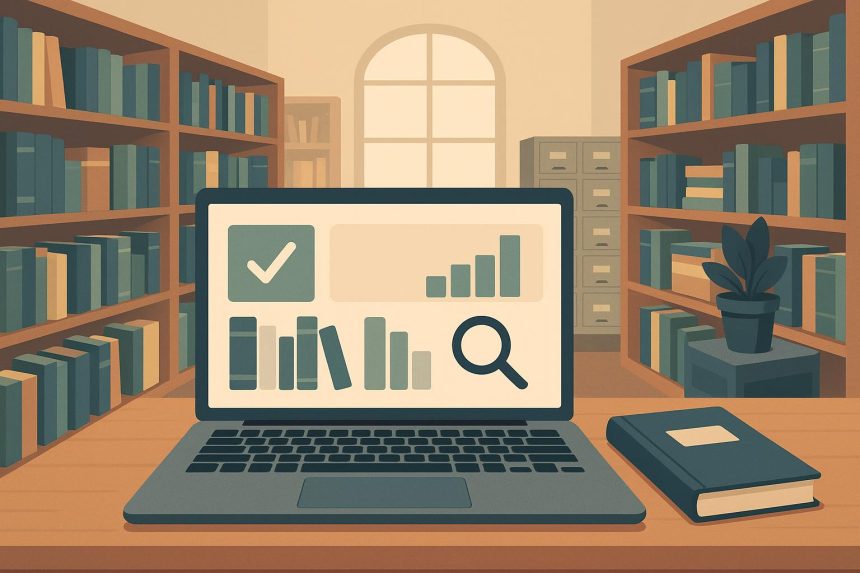
Libraries continue to serve as trusted centers for learning, research, and discovery. As collections expand and user expectations grow, managing materials with precision becomes more important than ever. Librarians now handle physical books, digital media, archival items, and special resources, all within a single system. This shift calls for efficient tools that support organization, access, and long-term planning.
Libraries rely on collections management software to bring structure to growing inventories and improve service quality. These systems help staff track resources, maintain accurate records, and streamline daily operations. With better visibility into holdings and usage patterns, librarians make informed decisions that benefit both institutions and readers. The following sections explore how these tools strengthen modern libraries and improve their operations.
Improved Organization and Catalog Accuracy
A well-organized catalog forms the backbone of any library. Accurate and accessible records allow staff members to locate materials quickly and assist visitors without delays. Libraries manage large collections that require consistent tracking. Automated cataloging features reduce manual errors and save valuable time, while updates reflect across the system in real time. These tools also support multiple formats, including:
- Print books and journals
- Digital publications and eBooks
- Multimedia resources such as audio and video
- Archival documents and rare materials
By maintaining clear organization, libraries create smoother workflows and improve user satisfaction.
Better Access for Staff and Visitors
Easy access to information remains essential for any library. A centralized platform allows librarians to retrieve data instantly, reducing wait times and improving service. Visitors benefit from searchable catalogs that help them discover materials based on subject, author, or keyword.
These platforms also support remote access. Patrons can browse collections, reserve materials, or request assistance without visiting the building. This convenience encourages engagement and helps libraries reach wider audiences. Automated circulation features simplify checkouts, returns, and renewals. Notifications keep users informed about due dates or availability, allowing staff members to focus on guiding readers toward useful resources.
Data Insights That Support Collection Growth
Libraries depend on data to guide acquisition and planning decisions. Modern systems generate reports that highlight borrowing patterns, popular categories, and underused materials. These insights help librarians evaluate collection performance and plan future purchases.
When decision-making relies on clear information, libraries build balanced and relevant collections. Staff members identify gaps, remove outdated materials, and allocate budgets effectively. Libraries also track condition and maintenance needs, which support preservation efforts and ensure that valuable items remain available for long-term use. With better oversight, institutions maintain quality while expanding their holdings.
Streamlined Workflows for Library Teams
Efficient teamwork plays a key role in daily library operations. Automated tools simplify routine processes and reduce administrative workload. Staff members coordinate tasks more effectively and maintain consistent procedures across departments.
Modern collections management software supports collaborative workflows and improves communication among team members. Updates, notes, and changes remain visible to authorized users, which prevents duplication and confusion. These systems also support inventory tracking, resource transfers, acquisition management, and archival documentation. With structured workflows, libraries operate with greater efficiency and accuracy.
Supports Long-Term Library Planning
Libraries continue to evolve alongside community needs. Strategic planning requires reliable information, flexible tools, and clear oversight. Modern management systems provide a foundation for sustainable growth and improved service delivery.
As collections expand, libraries must balance preservation, accessibility, and organization. These tools help institutions adapt to changing demands while maintaining high standards. Librarians gain confidence in their processes and focus more on meaningful engagement with users. Strong organization and thoughtful planning strengthen library services and promote continued learning opportunities.
Libraries that adopt modern management solutions improve service quality and maintain organized collections. These tools support efficient operations, informed decision-making, and long-term growth, helping libraries remain valuable resources for communities and future generations.

Lynn Martelli is an editor at Readability. She received her MFA in Creative Writing from Antioch University and has worked as an editor for over 10 years. Lynn has edited a wide variety of books, including fiction, non-fiction, memoirs, and more. In her free time, Lynn enjoys reading, writing, and spending time with her family and friends.