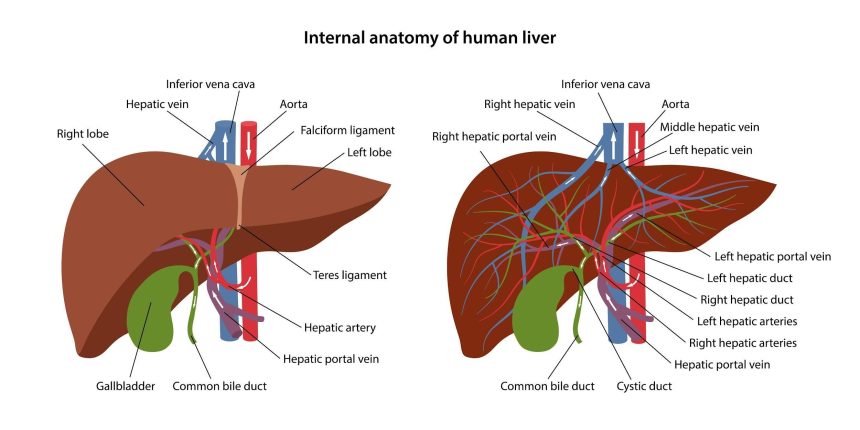
In the modern landscape of wellness, the word “detox” has become synonymous with restrictive liquid diets, expensive green juices, and short-term fixes. For the high-achieving professional who balances a demanding career with a vibrant social life, these trends often feel unsustainable and scientifically hollow. While a three-day juice cleanse might provide a temporary psychological reset, it fails to address the complex biological reality of how our bodies actually process toxins. To truly support your health in a world of processed foods, environmental pollutants, and celebratory cocktails, we must look deeper than the digestive tract. We must look at the cellular engine of the body: the liver.
The liver is far more than a simple filter. It is the body’s primary “engine room,” responsible for over 500 vital functions, including metabolism, hormone regulation, and the neutralization of metabolic byproducts. For those who work hard and play hard, the liver is the silent partner managing the impact of stress, lack of sleep, and social indulgence. However, the secret to long-term vitality does not lie in a temporary fast, but in consistent, cellular-level care. By choosing a high-quality liver support supplement for everyday detox and function support, you can provide your mitochondria with the specific antioxidants they need to maintain peak performance amidst a fast-paced lifestyle.
The Liver as the Engine Room
To understand why traditional detoxes fall short, one must appreciate the sheer scale of the liver’s workload. Every drop of blood that leaves the stomach and intestines passes through the liver. Its job is to process this blood, breaking down nutrients and drugs into forms that are easier for the rest of the body to use or that are nontoxic. It is the ultimate multi-tasker, acting as a chemical factory, a storage facility for vitamins and minerals, and a waste management plant.
For the “social balancer,” the liver is under constant demand. When you enjoy a glass of wine at a networking event or a rich meal at a five-star restaurant, your liver goes into overdrive to process the ethanol and fats. This process is metabolically expensive. It requires a massive amount of energy, which is produced by the mitochondria within the liver cells. In fact, liver cells are packed with some of the highest concentrations of mitochondria in the entire body. If these cellular power plants are struggling, the entire engine room begins to slow down, leading to the familiar feelings of “brain fog,” sluggishness, and midday energy crashes.
The Myth of the Quick Fix
The popularity of juice cleanses stems from a desire for a “reset button.” However, the biology of detoxification is a 24/7 operation, not a seasonal event. The liver detoxifies in two distinct phases. Phase I involves enzymes that break down toxins into intermediate forms. Ironically, these intermediates are often more reactive and potentially harmful than the original toxin. Phase II then attaches a molecule to these intermediates to make them water-soluble so they can be excreted.
Both phases require specific micronutrients and, most importantly, a constant supply of Adenosine Triphosphate (ATP), which is the energy currency of the cell. A juice cleanse often lacks the protein and specific compounds needed for Phase II conjugation. Furthermore, by drastically reducing caloric intake, you may actually deprive your mitochondria of the fuel they need to power the very detoxification pathways you are trying to “kickstart.” This is why many people feel exhausted rather than energized during a fast.
The Mitochondrial Connection
If the liver is the engine room, the mitochondria are the individual spark plugs. These tiny organelles convert the food we eat and the oxygen we breathe into the energy that fuels every heartbeat and thought. However, this energy production has a byproduct: oxidative stress. Just as a car engine produces exhaust, mitochondria produce free radicals.
Under normal circumstances, the body’s natural antioxidant defenses neutralize these free radicals. But the “modern” lifestyle is anything but normal. Chronic stress, environmental toxins, and alcohol consumption increase the production of free radicals. When these free radicals outnumber antioxidants, they cause oxidative damage to the mitochondria themselves. This creates a vicious cycle: damaged mitochondria produce less energy and more waste, leading to a “leaky” engine. In the liver, this manifests as decreased metabolic efficiency and a reduced capacity to handle the “social” load of a busy life.
Beyond Traditional Antioxidants: The MitoQ Advantage
For decades, health enthusiasts have turned to general antioxidants like Vitamin C, Vitamin E, or Milk Thistle to support liver health. While these are beneficial, they often struggle to reach the specific site where they are needed most: inside the mitochondria. The mitochondrial membrane is notoriously difficult to penetrate.
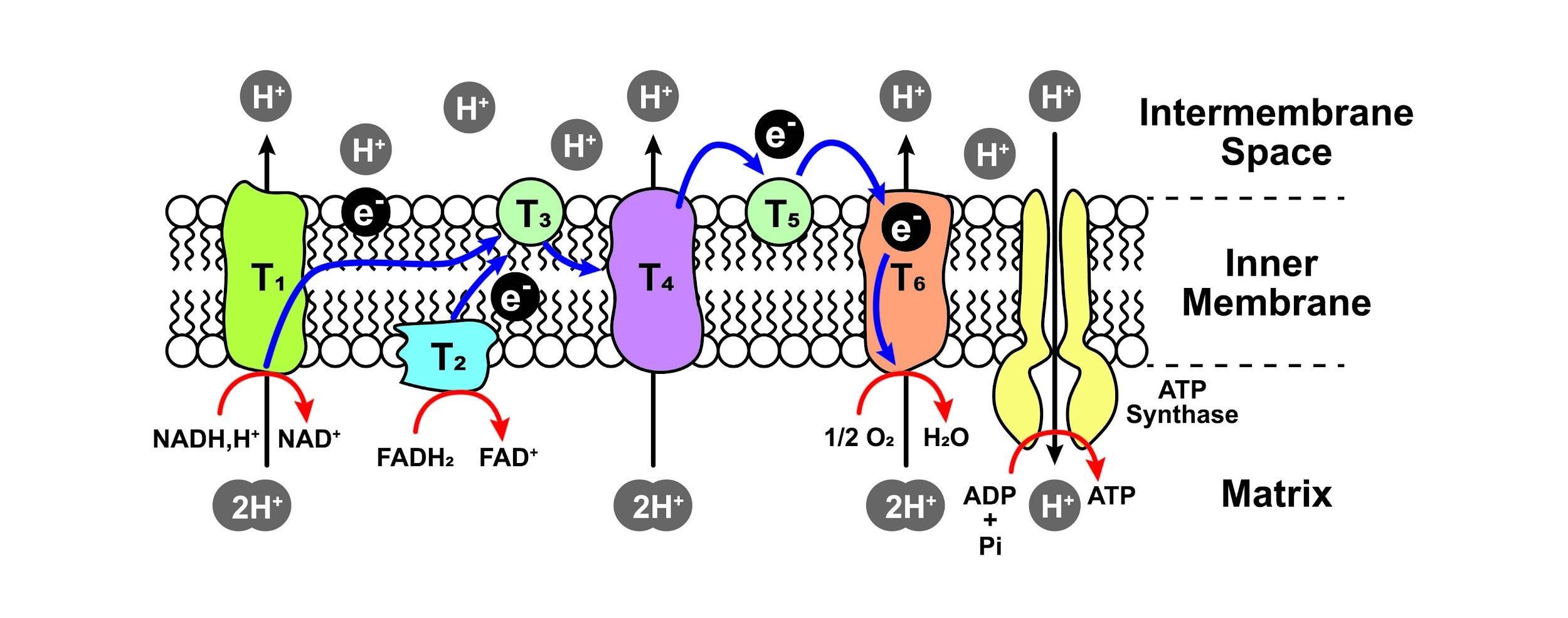
Oxidative Phosphorylation Scheme. Electron Transport Chain. Colorful Symbols. Vector Illustration.
This is where breakthrough cellular science changes the game. MitoQ is a shortened version of Coenzyme Q10 (CoQ10) that has been chemically modified with a positive charge. Because the inside of a mitochondrion is negatively charged, the MitoQ molecule is actively pulled into the organelle. This allows it to deliver targeted antioxidant support exactly where the most free radicals are generated. By protecting the mitochondrial membrane from oxidative stress, it helps the liver “engine” run cooler and more efficiently. For the professional who cannot afford a “down day,” this targeted approach is far more effective than the shotgun method of standard supplementation.
Maintaining the “Social Balance”
The goal of modern health management for the busy professional isn’t necessarily total abstinence; it is resilience. We want to be able to enjoy the rewards of our hard work without the lingering physical “tax” the next morning. Supporting the liver at a cellular level provides a buffer. When your mitochondrial health is optimized, your liver is better equipped to process the occasional indulgence and bounce back quickly.
This metabolic flexibility is the hallmark of true health. It means your blood sugar remains more stable, your hormones stay balanced, and your energy levels don’t plummet at 3:00 PM. Instead of reacting to a weekend of indulgence with a week of restriction, you are proactively fortifying your body’s natural defenses.
Long-Term Metabolic Health
The benefits of focusing on liver mitochondria extend far beyond just feeling better after a night out. The liver plays a central role in lipid metabolism and glucose regulation. As we age, mitochondrial function naturally declines, which is a significant factor in the slowing of the metabolism. By supporting mitochondrial health now, you are investing in your long-term metabolic vitality.
A healthy liver ensures that fats are processed efficiently and that your body remains sensitive to insulin. This is crucial for maintaining a healthy body composition and preventing the metabolic “slump” that often hits in the middle decades of life. When the engine room is clean and the spark plugs are firing, the entire system operates with less friction.
Conclusion: A New Paradigm of Detox
It is time to move away from the “all-or-nothing” mentality of the juice cleanse and embrace a more sophisticated, science-based approach to wellness. The liver does not need a vacation; it needs the right tools to do its job. By understanding the vital role of mitochondria and the unique challenges of a high-performance lifestyle, you can shift your focus toward daily, cellular support.
True detoxification is not about what you take away, but what you put in. It is about providing the specific nutrients and targeted antioxidants that allow your body’s most hardworking organ to thrive. For the modern professional, this means less time spent recovering and more time spent performing at your peak, whether in the boardroom or at a social gathering. Protect your engine, support your mitochondria, and discover the sustainable energy that comes from a liver that is powered for the long haul.

Lynn Martelli is an editor at Readability. She received her MFA in Creative Writing from Antioch University and has worked as an editor for over 10 years. Lynn has edited a wide variety of books, including fiction, non-fiction, memoirs, and more. In her free time, Lynn enjoys reading, writing, and spending time with her family and friends.