The American Association of Orthodontists reports that clear aligner usage has increased by over 900% in the past decade, with more than 12 million people worldwide now choosing this treatment over traditional braces. This dramatic shift reflects both advancing digital technology and changing patient preferences for discreet orthodontic care. Yet despite its popularity, many patients begin treatment without fully understanding the sophisticated process behind their custom aligners or the critical factors that determine success.
Clear aligner treatment represents one of orthodontics’ most significant technological leaps — transforming how teeth are moved through precise digital planning and removable plastic trays. For adults and teens considering orthodontic correction, understanding the actual treatment process, realistic timelines, compliance requirements, and clinical limitations shapes expectations and improves outcomes. The decision between aligners and traditional approaches involves trade-offs that extend far beyond appearance, affecting everything from treatment duration to long-term stability.
How Does Clear Aligner Treatment Work with Digital Technology?
Clear aligner treatment begins with a complete digital transformation of traditional orthodontic planning. Instead of messy impression molds, practitioners use intraoral scanners that capture thousands of data points per second, creating a precise 3D model of your teeth and bite relationship. This digital foundation enables treatment planning that would have been impossible just a generation ago.
The scanning data feeds into sophisticated treatment planning software that maps the intended tooth movement from start to finish. Orthodontists can visualize each stage of correction, adjusting the treatment plan to optimize force application and minimize unwanted side effects. This digital preview shows patients their projected final result before treatment begins — a level of predictability that traditional braces couldn’t offer.
Aligner manufacturing relies on advanced 3D printing and thermoforming technology. Each tray in your series represents a small incremental step toward your final position, typically moving teeth 0.25 to 0.33 millimeters per aligner. The plastic material itself — usually a medical-grade polyurethane — provides consistent, gentle pressure that’s calibrated to trigger optimal biological tooth movement without causing excessive discomfort.
What makes modern aligners particularly effective is the integration of digital attachments and staging. Small tooth-colored bumps bonded to specific teeth create anchor points that help aligners grip and direct forces more precisely. The software determines exactly where these attachments should be placed and when certain movements should occur in sequence. Complex cases might involve interproximal reduction — carefully removing tiny amounts of enamel between teeth to create space for alignment.
This technological precision means your treatment follows a predetermined roadmap rather than the trial-and-error adjustments common with traditional braces. Each aligner is manufactured simultaneously at the treatment’s start, ensuring consistency and allowing patients to see their complete treatment timeline upfront.
What Is the Typical Timeline and Treatment Process?
Clear aligner treatment typically unfolds across two distinct phases, with total duration ranging from eight months to two years depending on case complexity and patient compliance. Understanding these phases helps set realistic expectations and identifies the critical points where patient cooperation most directly impacts results.
What Happens During the Bulk Stage?
The bulk movement phase handles the major repositioning of teeth and typically consumes 60-80% of total treatment time. During these first several months, aligners focus on correcting crowding, closing gaps, and establishing proper arch form. Patients usually change to new aligners every one to two weeks, with each tray moving teeth incrementally toward their intermediate positions.
This phase often produces the most dramatic visible changes, which can be encouraging for patient motivation. However, it’s also when compliance matters most — the biological processes moving teeth respond best to consistent, gentle pressure. Wearing aligners for the prescribed 20-22 hours daily ensures that teeth don’t drift back between tray changes, maintaining the momentum established in your treatment plan.
Most orthodontists schedule progress appointments every 6-8 weeks during bulk movement to monitor tracking and make any necessary adjustments. Tracking refers to how well your teeth are following the predicted movement pattern — good tracking means your teeth match the expected position for that stage of treatment.
What Is Involved in Refinement and Finishing?
The refinement phase fine-tunes alignment and addresses any teeth that didn’t track perfectly during bulk movement. Rather than major repositioning, these final aligners make small adjustments to perfect bite relationships and eliminate minor rotations or spacing issues that remain.
Many patients need one or more refinement rounds — additional sets of aligners created after the initial series is complete. This isn’t a treatment failure; it’s a normal part of achieving optimal results, especially in complex cases. Your orthodontist will take new scans to assess final positions and design additional aligners targeting any remaining discrepancies.
The refinement phase also emphasizes bite settling — ensuring your upper and lower teeth meet properly when you close your mouth. This final adjustment period might involve selective aligner modifications or additional attachments to achieve the precise contact points that create a stable, comfortable bite for long-term function.
How Does Patient Compliance Impact Treatment Success?
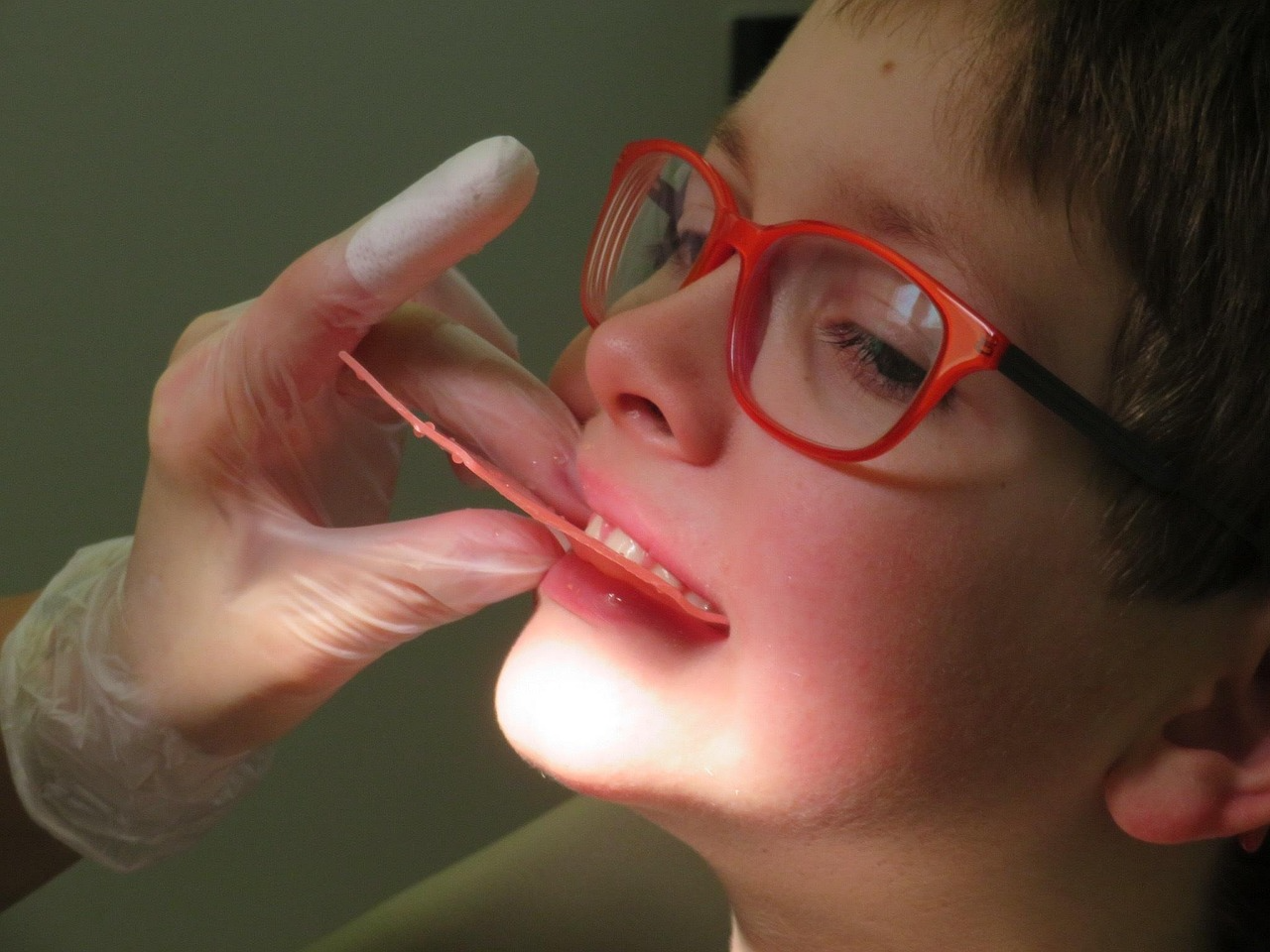
Patient compliance represents the single most critical variable in clear aligner success, yet it’s also the factor most underestimated by new patients. The prescribed 20-22 hour daily wear time isn’t arbitrary — it’s based on the biological timeline of bone remodeling that allows teeth to move safely and predictably.
When aligners are removed for more than 2-4 hours daily, teeth begin drifting back toward their original positions. This relapse tendency means that inconsistent wear doesn’t just slow progress; it can actually reverse prior movement. Patients who frequently remove aligners for meals, social events, or comfort often find their treatment extending significantly beyond the original timeline, sometimes requiring complete re-planning.
Lifestyle integration proves challenging for many patients initially. Unlike braces, aligners require active daily decisions about when to remove and replace them. Successful patients develop consistent routines around meals, oral hygiene, and social situations. Many find that setting phone reminders helps establish the habit of reinserting aligners after eating or drinking anything other than water.
The removable nature that makes aligners appealing also creates compliance risks that don’t exist with fixed braces. Patients report that travel, illness, stress, and social pressure can all disrupt wearing schedules. However, those who maintain good compliance typically see faster treatment completion and better final results than originally projected.
Managing discomfort also affects compliance. New aligners typically cause 1-3 days of pressure and mild soreness as teeth begin moving — this is normal and indicates the aligners are working effectively. Patients who understand this temporary discomfort often cope better than those who interpret it as a problem requiring aligner removal.
What Are the Effectiveness and Limitations of Clear Aligners?
Clinical research demonstrates that clear aligners achieve predictable results for most orthodontic problems, with success rates exceeding 90% for cases within their optimal treatment scope. Complex rotations, intrusion of teeth, and significant bite corrections show somewhat lower predictability compared to simpler crowding and spacing cases, but advances in attachment design and force systems continue expanding treatment capabilities.
Root resorption — the shortening of tooth roots during movement — occurs less frequently with aligners than with traditional braces, likely due to the lighter, more consistent forces applied. However, patients with previous dental trauma or naturally short roots may still face increased risk. Regular monitoring with periodic X-rays helps identify any concerning root changes early in treatment.
Clear aligners work exceptionally well for mild to moderate crowding, spacing closure, and minor bite adjustments. They excel in cases requiring precise tooth positioning and are particularly effective when patient cooperation is high. Adult patients often achieve excellent results because their bone density provides stable anchorage for controlled movement.
Treatment limitations become apparent in severe cases requiring significant bite correction, complex rotations of rounded teeth, or movements requiring substantial root repositioning. Traditional braces maintain advantages for extracting teeth into proper position, correcting severe overbites or underbites, and managing cases where patient compliance might be inconsistent. Some patients require hybrid treatment — beginning with braces to address major corrections before switching to aligners for finishing.
The clear aligner approach to clear aligner therapy demands realistic expectations about both capabilities and limitations, particularly for complex orthodontic cases that push the boundaries of what removable appliances can accomplish effectively.
Long-term stability after aligner treatment depends heavily on retention protocols — wearing retainers as prescribed after active treatment ends. Without proper retention, teeth tend to drift back toward their original positions regardless of the treatment method used to move them.
How Do Clear Aligners Compare with Traditional Braces?
The choice between clear aligners and traditional braces involves trade-offs that extend beyond cosmetic preferences to encompass treatment efficiency, compliance requirements, and clinical outcomes. Traditional metal braces maintain significant advantages in complex cases, typically completing treatment 3-6 months faster than aligners for severe crowding or bite corrections due to their ability to apply continuous forces without relying on patient cooperation.
Aesthetic considerations clearly favor aligners for patients prioritizing discretion, though modern ceramic braces offer improved appearance compared to traditional metal versions. However, aligners require disciplined daily management that some patients find more burdensome than the “set it and forget it” nature of fixed braces.
Oral hygiene presents opposite challenges with each approach. Braces make thorough cleaning more difficult, increasing risks of cavities and gum inflammation during treatment. Aligners allow normal brushing and flossing but require additional cleaning of the trays themselves and more frequent oral hygiene throughout the day due to frequent removal and replacement.
Treatment predictability varies by case complexity. For straightforward cases, aligners often provide more precise final positioning due to their digital planning advantages. Complex cases requiring significant bite changes, root movement, or extraction space closure typically achieve more predictable outcomes with braces, which can apply more varied force systems and don’t depend on patient compliance for effectiveness.
Cost considerations generally favor traditional braces, though the gap has narrowed as aligner technology has matured. Many insurance plans provide similar coverage for both options, making patient preference and clinical suitability the primary decision factors rather than financial considerations.
The evolution of orthodontic treatment continues pushing both technologies forward — self-ligating braces reduce friction and appointment frequency, while advancing aligner materials and digital planning improve treatment scope and precision. Rather than viewing these as competing technologies, successful orthodontic practices often determine the optimal approach based on individual case requirements and patient lifestyle factors. The future likely belongs to practitioners skilled in both modalities, selecting the most appropriate tool for each unique clinical situation they encounter.

Lynn Martelli is an editor at Readability. She received her MFA in Creative Writing from Antioch University and has worked as an editor for over 10 years. Lynn has edited a wide variety of books, including fiction, non-fiction, memoirs, and more. In her free time, Lynn enjoys reading, writing, and spending time with her family and friends.