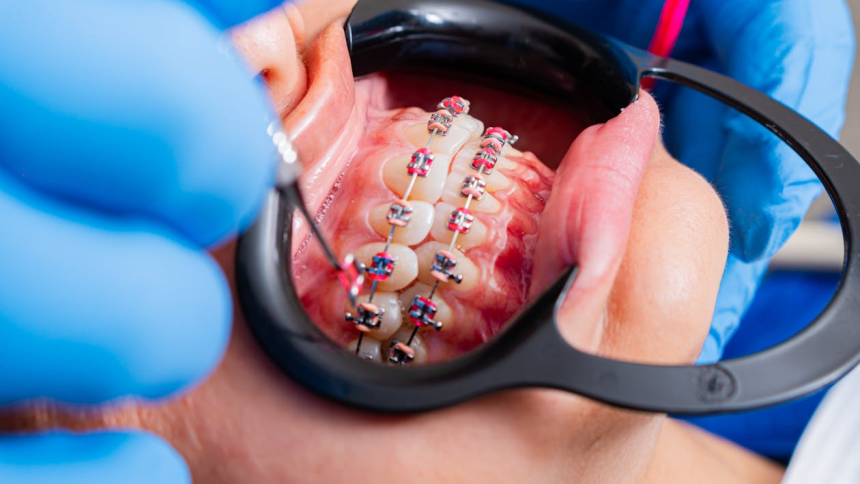
According to the American Association of Orthodontists, nearly 70% of treatment complications stem from inadequate home care during the first six months of orthodontic treatment. While exploring options like ceramic braces treatment offers the aesthetic advantage many patients seek, they require more meticulous maintenance than traditional metal braces — and the consequences of neglecting that care extend far beyond cosmetic concerns.
As orthodontic technology continues advancing in 2025, the gap between patients who master proper braces care and those who struggle with it has real implications. Poor hygiene doesn’t just lead to staining or bad breath; it can extend treatment time by months, increase the risk of permanent white spots on teeth, and in severe cases, force early removal of braces before treatment goals are achieved. For the millions of teens and adults currently wearing braces, understanding the specific care requirements can determine whether their investment delivers the smile they’re hoping for or becomes a source of ongoing dental problems.
The path to successful ceramic braces care involves more than just brushing twice daily — it requires understanding how these translucent brackets interact with food, plaque, and daily wear, then adapting your routine accordingly.
Why Daily Hygiene Routines Are Essential with Ceramic Braces
Ceramic braces create a perfect storm for plaque accumulation in ways that catch most patients off guard. Unlike smooth tooth surfaces, the brackets and wires create dozens of small spaces where bacteria can hide and multiply, often in areas your tongue can’t reach and regular brushing might miss. The ceramic material itself, while aesthetically pleasing, has a slightly more porous surface than metal, making it more susceptible to staining from coffee, tea, or even certain mouthwashes.
The stakes become clearer when you consider what’s happening at the microscopic level. Plaque bacteria produce acid as they feed on food particles, and those acids sit against your tooth enamel for hours longer when brackets create barriers to natural saliva flow. This extended acid exposure explains why orthodontic patients face a significantly higher risk of developing white spot lesions — permanent chalky marks that become visible once braces are removed.
Research from the Journal of Clinical Orthodontics shows that patients who maintain consistent daily hygiene routines throughout treatment have 60% fewer emergency appointments for issues like loose brackets or gum inflammation. More importantly, they complete treatment an average of three months faster than those with inconsistent care habits. The difference isn’t just about following instructions; it’s about understanding that every day of poor hygiene creates cumulative damage that your orthodontist will eventually need to address before treatment can progress.
Beyond the clinical outcomes, daily care routines become the foundation for long-term oral health habits that extend well beyond the braces removal appointment. Patients who develop thorough cleaning techniques during orthodontic treatment typically maintain better oral hygiene throughout their lives, while those who struggle with braces care often continue having dental problems years later.
Proper Techniques and Tools for Cleaning Ceramic Braces
The conventional wisdom about brushing for two minutes becomes inadequate with braces — most orthodontists recommend spending three to four minutes to properly clean around brackets and wires. The key lies in understanding that you’re essentially cleaning three different surfaces around each tooth: the area above the bracket, the bracket itself, and the space between the bracket and gum line.
How to Brush Effectively with Ceramic Braces
Start with a soft-bristled toothbrush positioned at a 45-degree angle to the gum line, but break your brushing into distinct phases rather than using broad strokes. First, clean above the brackets by angling the brush down and using short, gentle strokes. The ceramic material can chip if you apply too much pressure, so let the bristles do the work rather than forcing them against the brackets.
Electric toothbrushes often provide better results than manual brushing, particularly models with round heads that can navigate around individual brackets more effectively. The consistent vibration helps dislodge food particles that might otherwise require multiple attempts to remove. However, avoid high-intensity settings that might damage the adhesive bonding your brackets to your teeth.
Pay special attention to the gum line, where plaque accumulation leads to the puffy, inflamed gums that many braces patients develop. Use gentle circular motions in this area, and don’t skip the backs of your teeth — the lower front teeth, in particular, are prone to tartar buildup that can only be removed by professional cleaning once it hardens.
Flossing Techniques and Aids for Tight Spaces
Traditional flossing becomes nearly impossible with braces, but skipping it isn’t an option when bacteria can hide in spaces your toothbrush can’t reach. Floss threaders — thin, flexible plastic loops — allow you to guide floss under the wire and between teeth. Thread about 18 inches of floss through the loop, guide it under the wire, then gently clean both sides of the teeth.
Water flossers have revolutionized orthodontic care by using pulsating water to remove food particles and bacteria from areas that traditional floss might miss. Use lukewarm water and start with the lowest pressure setting, gradually increasing as your gums adapt. The key is angling the tip to direct water flow both above and below the wire, creating a thorough cleaning action that complements rather than replaces traditional flossing.
Interdental brushes — tiny bottle-brush-shaped tools — excel at cleaning spaces where the wire meets the bracket. These small brushes can navigate tight areas and remove stubborn food particles that often get trapped after meals. Use them gently to avoid damaging the wire, and replace them weekly as the bristles wear down.
Dietary Choices that Support Braces Care and Oral Hygiene
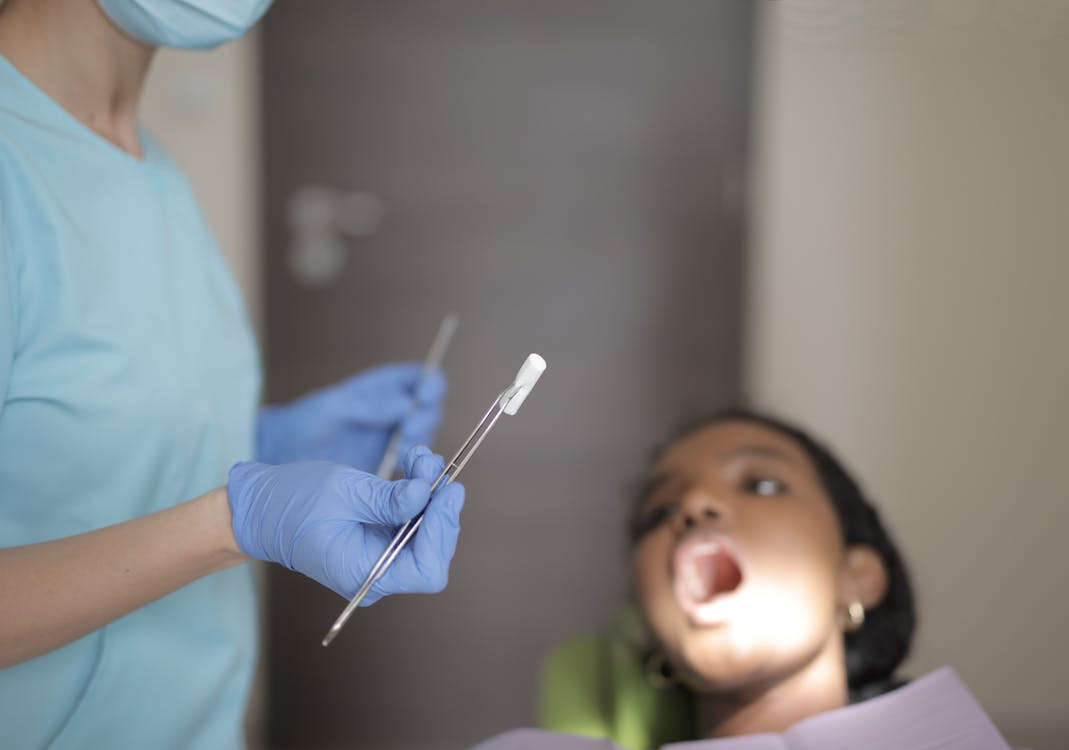
The foods that damage ceramic braces aren’t always the ones patients expect to avoid. While most people know to skip caramel and gum, many don’t realize that seemingly healthy choices like whole apples or raw carrots can snap brackets if bitten directly. The ceramic material, while strong enough for normal chewing forces, becomes vulnerable when subjected to the concentrated pressure of biting into hard foods.
Acidic foods and drinks pose a different but equally serious threat. Coffee, tea, and red wine obviously stain ceramic brackets, but citrus fruits, tomato sauce, and even diet sodas create an acidic environment that weakens tooth enamel around the brackets. The problem compounds when acid sits against your teeth for extended periods because brackets interfere with natural saliva flow that would normally neutralize these acids.
Smart substitutions can satisfy cravings while protecting your investment in treatment. Cut apples and carrots into small pieces rather than avoiding them entirely. Choose white sauces over tomato-based ones when possible, and drink acidic beverages through a straw positioned toward the back of your mouth. Cheese, nuts, and lean proteins actively support oral health by stimulating saliva production and providing nutrients that strengthen tooth enamel.
The timing of eating matters as much as food choices. Frequent snacking creates repeated acid attacks on your teeth, while eating larger, less frequent meals allows your mouth’s pH to return to neutral between eating episodes. When you do consume staining foods or drinks, rinse with water immediately afterward rather than waiting until your next scheduled brushing time.
Water becomes your most important beverage during orthodontic treatment — it rinses away food particles, dilutes acids, and keeps your mouth hydrated for optimal saliva production. Many patients notice that carrying a water bottle and sipping throughout the day significantly reduces the amount of debris that accumulates around their brackets between regular cleaning sessions.
Common Issues in Braces Care and How to Prevent Them
Loose brackets represent the most frequent emergency that proper care can prevent. While accidents happen, most bracket failures result from eating prohibited foods or inadequate cleaning that allows plaque to weaken the bonding adhesive. When plaque sits against the adhesive for days or weeks, it creates acids that gradually break down the bond between bracket and tooth.
White spot lesions — those chalky, permanent marks that appear around brackets — develop when acid-producing bacteria create localized areas of enamel demineralization. These spots become visible as cloudy white areas once braces are removed, and they’re essentially permanent without professional intervention. The critical prevention window occurs daily: thorough cleaning removes the bacteria before they can produce enough acid to damage enamel.
Gum inflammation around braces often starts as mild puffiness that patients ignore, assuming it’s normal. However, inflamed gums bleed more easily, trap more bacteria, and can eventually lead to gum recession that exposes tooth roots. Proper prevention focuses on the gum line specifically — many patients clean their brackets thoroughly but neglect the area where brackets meet gums, allowing plaque to accumulate in this vulnerable zone.
Wire irritation typically affects the inside of cheeks or lips, particularly during the first weeks after adjustments when teeth begin moving and wires shift position. Orthodontic wax provides temporary relief, but the real prevention involves maintaining proper head position during sleep and avoiding habits like cheek biting or lip chewing that increase friction against wires.
Staining of ceramic brackets themselves often results from consuming staining substances without immediate rinsing, or from using colored mouthwashes that gradually discolor the ceramic material. Since brackets can’t be whitened like natural teeth, prevention becomes critical. Clear or light-colored foods and beverages pose less risk, while immediate water rinsing after consuming staining substances can prevent most discoloration from setting in.
Food impaction — particles stuck firmly between teeth and wires — requires immediate attention to prevent bacterial growth and bad breath. The longer food sits trapped, the more difficult it becomes to remove and the greater the risk of developing localized gum irritation or tooth decay in those specific areas.
The Importance of Professional Care and Advances in Braces Maintenance
Professional cleanings every three to four months become essential during orthodontic treatment, compared to the standard six-month intervals for patients without braces. Dental hygienists use specialized instruments to remove plaque and tartar from areas that home care simply cannot reach, particularly around the base of brackets where they meet the tooth surface.
These appointments serve a dual purpose beyond just cleaning. Your hygienist can identify early signs of problems like white spot formation or gum inflammation before they become serious enough to require treatment interruption. Early intervention — whether through fluoride treatments, improved home care instruction, or dietary counseling — often prevents issues that would otherwise extend treatment time.
Recent advances in ceramic braces treatment have introduced self-ligating brackets that reduce plaque accumulation around the ties that hold wires in place. These newer designs create fewer spaces for bacteria to hide while maintaining the aesthetic advantages that make ceramic braces appealing to adult patients and image-conscious teens.
Technological improvements in home care tools continue evolving as well. Smart toothbrushes now provide real-time feedback about brushing pressure and coverage, helping patients develop more effective techniques. Advanced water flossers offer multiple pressure settings and specialized tips designed specifically for orthodontic patients, making thorough cleaning more achievable for patients who previously struggled with traditional methods.
The integration of antimicrobial treatments into orthodontic care represents another emerging area. Some practices now offer protective sealants applied around brackets to create barriers against acid attacks, while others incorporate probiotics specifically formulated to compete with harmful bacteria in the mouth. These advances don’t replace proper daily care, but they provide additional protection for patients committed to maintaining excellent oral hygiene throughout their treatment.
Understanding proper ceramic braces care transforms what could be a challenging experience into a manageable routine that protects both your investment in treatment and your long-term oral health. The habits you develop during orthodontic treatment often become the foundation for lifelong dental wellness — making the extra effort during these months an investment that pays dividends long after your braces come off.

Lynn Martelli is an editor at Readability. She received her MFA in Creative Writing from Antioch University and has worked as an editor for over 10 years. Lynn has edited a wide variety of books, including fiction, non-fiction, memoirs, and more. In her free time, Lynn enjoys reading, writing, and spending time with her family and friends.