
The American Association of Orthodontists reports that nearly 1.5 million adults are currently undergoing orthodontic treatment — a number that’s grown by 40% over the past decade. What’s driving this surge isn’t just cosmetic desire, though that’s certainly part of it. As dental professionals increasingly recognize the connection between proper bite alignment and long-term oral health, adults are discovering that straighter teeth can prevent everything from TMJ disorders to premature tooth wear.
This shift comes at a time when orthodontic technology has evolved specifically to address adult concerns. Gone are the days when metal braces were the only option, and treatment timelines have shortened considerably. For adults weighing whether to invest in orthodontic care, understanding the biological realities, treatment options, and practical considerations can make the difference between a successful transformation and years of regret.
The decision to pursue orthodontic treatment as an adult involves different factors than childhood orthodontics — from how adult bone responds to movement to managing treatment around established careers and social lives.
How Does Orthodontic Treatment Work for Adults?
Adult orthodontics operates on the same fundamental principle as treatment in younger patients: controlled pressure gradually moves teeth through bone. However, the biological process unfolds differently in mature mouths, creating both challenges and advantages that most adults don’t anticipate.
The key difference lies in bone density and remodeling speed. Adult bone is fully mineralized and denser than adolescent bone, which means teeth move more slowly — typically requiring 18 to 30 months compared to 12 to 18 months for teenagers. But this slower movement often produces more stable results because the surrounding tissues have time to fully adapt to new positions.
Consider Sarah, a 34-year-old marketing director whose crowded front teeth had worsened over the years. Her orthodontist explained that while her treatment would take about six months longer than a teenager’s, her mature bone structure meant less risk of relapse once the braces came off. The trade-off between time and stability becomes particularly important when you’re investing in treatment that needs to last decades.
Adult treatment planning also differs significantly. Orthodontists must work around existing dental work — crowns, bridges, implants — that can’t be moved. They’re also more likely to encounter complications like gum recession or bone loss that require coordination with periodontists or oral surgeons. This collaborative approach often leads to more comprehensive treatment plans that address multiple issues simultaneously.
The biological response varies among adults too. Patients in their twenties often experience movement rates closer to teenage timelines, while those over forty may need longer treatment periods. Factors like overall health, bone density, and hormonal changes all influence how quickly teeth respond to orthodontic forces.
What Types of Braces Are Best for Adults?
The orthodontic landscape has transformed dramatically in response to adult patients’ aesthetic and lifestyle needs. Today’s options extend far beyond traditional metal brackets, though each approach brings distinct trade-offs that adults should understand before committing to treatment.
Differences Between Metal, Ceramic, and Lingual Braces
Traditional metal braces remain the gold standard for complex cases requiring precise control. Modern versions use smaller brackets and heat-activated wires that require fewer adjustments, but they’re still the most visible option. For adults with severe crowding or bite issues, metal braces often deliver results that other systems simply can’t match.
Ceramic braces offer a middle ground, using tooth-colored or clear brackets that blend with natural teeth. They’re particularly popular among professionals who need discretion but have alignment issues too complex for clear aligners. The trade-off comes in durability — ceramic brackets are more prone to chipping and staining, especially for adults who drink coffee or wine regularly.
Lingual braces attach to the back surfaces of teeth, making them completely invisible from the front. However, they’re significantly more challenging to clean and can affect speech for several weeks while patients adapt. They also require specialized orthodontist training, limiting availability and increasing costs. Adults considering lingual braces should expect a steeper learning curve for oral hygiene and temporary changes to their speaking patterns.
How Clear Aligners Work in Adult Orthodontics
Clear aligner therapy has revolutionized adult orthodontics by addressing the lifestyle concerns that previously deterred many adults from treatment. Systems like Invisalign use a series of custom-made, removable trays that gradually shift teeth into alignment over 12 to 20 months.
The appeal for adults is obvious: aligners are nearly invisible, removable for eating and special occasions, and don’t restrict food choices. However, their effectiveness depends heavily on patient compliance. Adults must wear aligners 20 to 22 hours daily and switch to new trays on schedule — something that requires more discipline than fixed braces.
Aligners work best for mild to moderate spacing, crowding, and bite issues. Complex rotations, vertical movements, or severe bite problems often still require traditional braces. Working with an experienced orthodontist in Chicago or your local area becomes crucial for determining whether your specific case suits aligner treatment.
The technology continues advancing, with newer aligner materials providing more predictable movement and attachments that increase treatment scope. Still, adults should understand that clear aligners require active participation in their treatment success — they’re not a “set it and forget it” solution.
What Practical Changes Come with Adult Braces?
Adult life doesn’t pause for orthodontic treatment, which means successfully navigating braces requires strategic adjustments to established routines and expectations. The practical reality extends beyond the dental chair into boardrooms, dinner dates, and daily self-care rituals.
Professional considerations top most adults’ concern lists. Metal braces can initially affect speech patterns, particularly with certain sounds like “s” and “th.” Most patients adapt within two weeks, but those with frequent presentations or client calls might want to schedule treatment start dates accordingly. Clear aligners eliminate speech concerns but require discretion when removing them for meals during business lunches.
Oral hygiene becomes significantly more complex with fixed braces. Adults accustomed to quick two-minute brushing routines must adapt to 10-15 minute sessions with specialized tools. Water flossers become essential for cleaning around brackets, while interdental brushes help reach spaces traditional floss can’t navigate. The learning curve frustrates many adults initially, but developing efficient cleaning routines prevents the gum inflammation and white spots that can permanently mark teeth.
Dietary adjustments vary by treatment type. Traditional braces require avoiding hard, sticky, and chewy foods that can break brackets or bend wires. Adults often find the social aspects most challenging — carefully eating corn on the cob at summer barbecues or avoiding caramel at office parties. Clear aligner patients can eat normally but must clean teeth thoroughly before reinserting trays, which can complicate spontaneous dining.
Discomfort management differs from childhood experiences. Adults often have lower pain tolerance for orthodontic pressure but respond better to over-the-counter pain relievers. The first few days after adjustments typically bring the most discomfort, with pressure sensations when chewing. Cold foods and soft diets help during these periods.
Social dynamics present unique challenges for adult patients. While braces have become more socially acceptable, some adults still feel self-conscious during the initial adjustment period. Building confidence often requires reframing the experience as an investment in long-term health and appearance rather than a temporary inconvenience.
What Are the Benefits and Challenges of Getting Braces as an Adult?
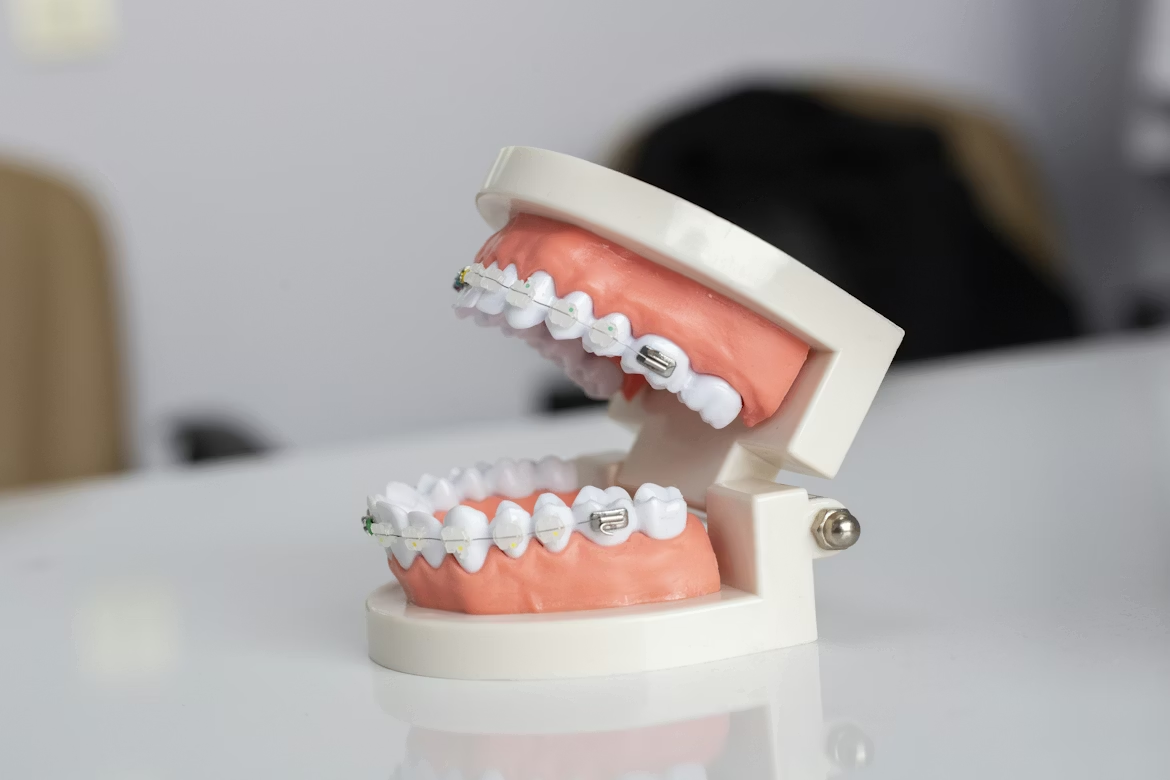
Adult orthodontic treatment delivers benefits that extend far beyond cosmetic improvement, though the decision comes with legitimate challenges that younger patients rarely face. Understanding both sides helps adults set realistic expectations and commit fully to treatment success.
Health benefits often surprise adults who initially sought cosmetic improvement. Properly aligned teeth are dramatically easier to clean, reducing the risk of gum disease and tooth decay that can lead to tooth loss in later decades. Adults with severe crowding frequently discover that areas they could never clean effectively become accessible once teeth straighten, often reversing early gum recession.
Bite correction addresses functional problems that worsen with age. TMJ disorders, excessive tooth wear, and chronic jaw pain often improve significantly once bite alignment corrects underlying mechanical issues. Adults who’ve lived with morning jaw stiffness or clicking joints for years may find these symptoms resolve as treatment progresses.
Professional advantages increasingly motivate adult treatment decisions. A confident smile affects everything from job interviews to client interactions, with research consistently showing that straight teeth influence perceptions of competence and trustworthiness. For adults in customer-facing roles or leadership positions, orthodontic investment often pays professional dividends.
However, adult-specific challenges require honest acknowledgment. Treatment takes longer than childhood orthodontics, testing patience when results seem slow to appear. The financial investment is substantial, often ranging from $3,000 to $8,000 depending on complexity and treatment type, with many adult patients paying out-of-pocket due to limited insurance coverage.
Root resorption — where tooth roots shorten during movement — occurs more frequently in adult patients, though it rarely causes functional problems. Gum recession can also worsen during treatment if oral hygiene lapses, creating permanent cosmetic issues. These risks, while manageable with proper care, underscore why adult treatment requires more diligent home care than teenage orthodontics.
Time commitment extends beyond treatment duration to include frequent appointments for adjustments, emergency visits for broken brackets, and extended daily hygiene routines. Adults balancing careers and families often underestimate the scheduling coordination required for successful treatment.
How Should Adults Care for Their Teeth After Braces?
The end of active orthodontic treatment marks the beginning of a lifelong commitment to maintaining results — a reality that catches many adults unprepared for the ongoing responsibility. Without proper retention protocols, teeth can shift back toward their original positions within months, negating years of treatment and investment.
Retainer compliance becomes the crucial factor determining long-term success. Most orthodontists recommend wearing removable retainers full-time for the first six months after braces removal, then transitioning to nighttime wear indefinitely. Adults often struggle with this indefinite timeline, expecting a clear endpoint to their orthodontic journey. However, teeth naturally shift throughout life due to aging, so retention isn’t just about preventing relapse — it’s about controlling normal age-related changes.
Fixed retainers — thin wires bonded behind the front teeth — offer an alternative for adults concerned about compliance. These permanent retainers require no daily decision-making but demand meticulous cleaning around the wire to prevent gum disease. They can also break or detach, requiring prompt professional repair to prevent unwanted movement.
Long-term monitoring involves periodic orthodontic check-ups even years after treatment completion. These appointments catch minor shifts before they become major problems and ensure retainers still fit properly. Adults who skip these maintenance visits often face the choice between accepting compromised results or pursuing additional treatment to restore alignment.
Integration with ongoing dental care requires coordination between orthodontists and general dentists. Retainers must be removed for professional cleanings, and dental work like crowns or bridges may affect retention plans. Adults with complex dental histories need clear communication between all providers to maintain orthodontic results while addressing other oral health needs.
The investment in adult orthodontic treatment pays dividends for decades when properly maintained, but success requires viewing retention as an integral part of the treatment process rather than an afterthought. Adults who embrace long-term retention protocols consistently report satisfaction with their decision to pursue orthodontic care, while those who neglect retention often express regret about the time and money invested. Starting treatment with realistic expectations about lifelong maintenance sets the foundation for lasting satisfaction with orthodontic results.

Lynn Martelli is an editor at Readability. She received her MFA in Creative Writing from Antioch University and has worked as an editor for over 10 years. Lynn has edited a wide variety of books, including fiction, non-fiction, memoirs, and more. In her free time, Lynn enjoys reading, writing, and spending time with her family and friends.