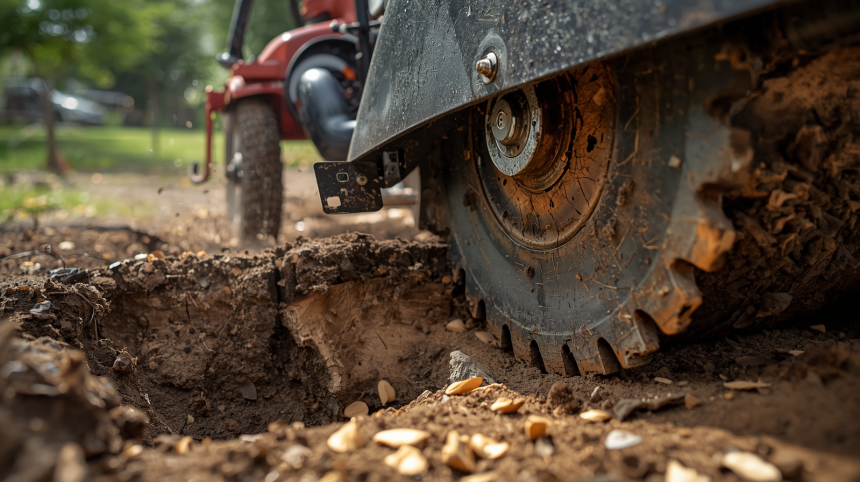
Stump grinding should leave things looking neat and complete, not rough or uneven. But sometimes the stump is gone, and the ground still doesn’t look right.
It looks rough, uneven, and just not right. You step back, look at it again, and it just doesn’t match the effort that went in. That kind of result usually doesn’t come from the machine itself. More often, it comes down to small details like the condition of each stump cutter tooth that quietly affects how clean the finish turns out.
Let’s break down why results fall short and what’s actually causing it behind the scenes.
It Starts With Worn-Out Teeth (And It Shows)
This one sneaks up on a lot of operators. The machine is running fine, nothing sounds off, and the job is getting done. But the finish tells a different story.
Worn teeth don’t cut cleanly. They drag, tear, and leave behind uneven bits of wood that should have been shaved down smoothly. The problem is, wear happens gradually, so it’s easy to ignore until the results start looking messy.
A quick check can make a big difference here. If the edges look rounded or chipped, that’s already affecting how clean the grind is. And yeah, it might still “work,” but it won’t look sharp or finished.
Inconsistent Cutting Depth Messes Everything Up
Sometimes the issue isn’t the tool itself but how it’s being used. Uneven passes over the stump can leave high spots and low spots, which makes the surface look patchy.
This usually happens when:
- The grinder is moved too quickly across the surface
- Pressure isn’t consistent from one pass to the next
- The operator is trying to rush through a tougher section
Even experienced operators slip into this, especially on long days. Slowing things down just a bit and keeping movements steady can clean things up more than expected.
Poor Tooth Setup Can Throw Off the Whole Cut
Not all work setups are equal everywhere. If the teeth of your cutter are not aligned properly or if a few are worn more than others, your cutting pattern becomes uneven. It feels like trying to write with a pen that skips randomly. You still get words on paper, but it doesn’t look clean.
Take a moment to check:
- Are all the teeth sitting properly in place?
- Are some more worn than others?
- Is the rotation balanced?
A small imbalance here can lead to a rough finish across the entire stump.
Wood Type Plays a Bigger Role Than You Think
Different types of wood change how the entire job feels.
- Softer stumps grind down smoothly.
- Dense wood makes things harder almost instantly.
- Hardwood tends to leave uneven and stringy cuts if it’s handled the same way as softer material.
That’s where results start looking rough. Adjusting speed and staying steady helps clean things up. A bit more control goes a long way here.
Dirt, Rocks, and Hidden Debris Ruin the Finish
Some messy finishes are caused by what’s hiding beneath the surface. A stump might seem clean, but debris underneath can start causing problems once grinding begins.
Rocks and packed dirt wear down the cutting edges faster than expected. So even if everything else is going right, the finish starts getting rough.
If the area isn’t cleared properly before starting, the result almost always takes a hit. A quick cleanup at the beginning saves way more effort later.
Speed Over Precision Never Ends Well
There’s always pressure to finish quickly. Tight schedules, multiple jobs, and long days can push anyone to speed things up. But rushing through a stump grind usually shows in the final result.
Fast passes might remove material quickly, but they don’t leave a smooth surface. Slowing down just enough to maintain control makes a noticeable difference.
It’s not about taking forever. It’s just about not treating every job like a race.
The Condition of Each Tooth Matters More Than Expected
Here’s where things get very real. Even if everything else is done right, the actual cutting parts still do the heavy lifting. And if they’re not in good shape, the result suffers.
A sharp, well-maintained stump cutter tooth cuts cleanly and evenly. It glides through the wood instead of tearing it apart. That alone changes how the final surface looks.
Ignoring this part is easy, especially when the machine still runs fine. But the finish always reveals the truth.
Small Habits That Make a Big Difference
Clean results don’t come from one big change. They come from a bunch of small habits that add up over time.
A few things that help:
- Checking teeth condition before starting the job
- Clearing debris around the stump properly
- Taking steady, even passes instead of rushing
- Adjusting technique based on the type of wood
None of these takes much extra time, but together they improve the outcome in a noticeable way.
Conclusion
A rough finish usually isn’t just bad luck. It’s the small things stacking up during the job without much notice. The good thing is, once you catch them, they’re pretty easy to fix.
Better results don’t come from going bigger or faster. They come from slowing down a bit, keeping things steady, and paying attention to how the cut is actually happening. That’s what really changes how clean everything looks at the end.
And yes, once those little things are dialed in, the difference shows right away.

Lynn Martelli is an editor at Readability. She received her MFA in Creative Writing from Antioch University and has worked as an editor for over 10 years. Lynn has edited a wide variety of books, including fiction, non-fiction, memoirs, and more. In her free time, Lynn enjoys reading, writing, and spending time with her family and friends.