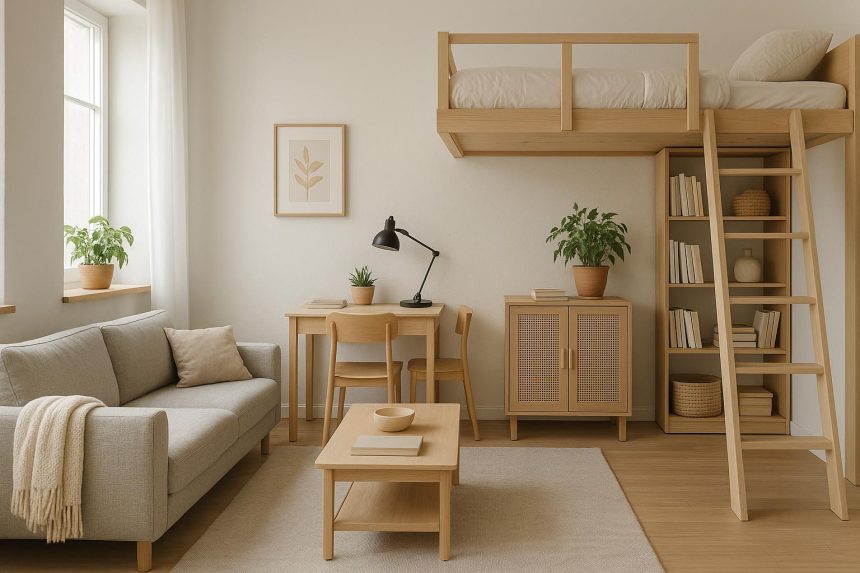
Making a small space functional yet aesthetic is a challenging task. When people have a small space, they automatically think that they need to sacrifice comfort or style, but it is not true. In small spaces, you can think more creatively if you want to make your home efficient as well as beautiful. Here, the challenge is in making the perfect balance. You need to work in a way that every piece serves a purpose while still contributing to a cohesive and inviting look.
No matter if you’re living in a compact apartment or simply trying to make better use of a small room, you can combine functionality with aesthetics; it is all about intentional choices. From the selection of your furniture to color pallets and storage solutions, every decision matters. Now here is the good news: With the right approach, even the smallest space can feel open, organized, and effortlessly stylish.
Start with Purpose-Driven Planning
Before starting to decorate or buy furniture, take a step back and think about how you are going to use your space. A small living area needs a lot of work; hence, you need to be clear about your plan. First, ask yourself what tasks you perform here, either relaxing, working, or using it for entertainment purposes.
It is because when the purpose is clear, it gets easier. For instance, you can easily avoid clutter and unnecessary items when your purpose is clear. Every article you buy must serve a function. However, if you are thinking this will make your place boring or overly practical, then you are wrong. Rather, it will ensure that all of your stuff has a reason to be there.
Choose Multi-Functional Furniture
Buy furniture that does multiple tasks in your small living space. They can completely transform how your space works. The beauty of multi-functional furniture is that it reduces the need for extra pieces. Hence, it helps in enhancing the overall look of your home.
When you invest in these sorts of furniture, you maximize usability without compromising your comfort. Keep in mind that when you select these pieces, go for those with clean design and neutral finishes. The reason behind this is that heavy furniture makes a room look compact. Therefore, going for a sleek one that suits the overall look of your space is a good idea.
Learn the Art of Smart Storage
Storage is where functionality meets aesthetics. When you own a small space, you can make a huge difference by adding hidden and smart storage solutions. Just think beyond traditional cabinets and search for options like under-bed storage, wall-mounted shelves, and built-in units.
When you have closed storage, it helps maintain a clean look by hiding clutter. You can style the open shelves with books, plants, or decorative items. Here, the key is balance; too much of either of them can disrupt the visual harmony of your space.
Use Color to Create Space and Style
“In designing, colors play a powerful role. It is because it shapes the vibes your room gives. For example, when you go for light, neutral shades like whites, beiges, and soft greys, it can make your small space look larger and brighter. These shades reflect light and build an airy and open atmosphere. However, this does not mean you have to avoid bold colors altogether.
Additions like cushions, rugs, or artwork can enhance personality. Moreover, they do not overwhelm the space. However, the key is to keep the base palette simple and layer in color thoughtfully. Another important element is consistency.. A cohesive color scheme across furniture, walls, and decor pieces helps create visual flow. In a room, when everything feels connected, the space looks more organized and aesthetically pleasing.” – Devon Howard, CEO of Andor Willow
Allow Natural Light to Do the Work
Natural light does wonders, and it is one of the easiest ways to enhance functionality and aesthetics. When you have a well-lit space, it feels bigger, more inviting, and more comfortable to live in. Plus, try to avoid heavy curtains that block light. Rather, you can go for sheer fabrics or light blinds, which allow sunlight to filter through and also maintain privacy.
Moreover, mirrors can also help enhance natural light by reflecting it around the room. If there is not much natural light, focus on layered lighting. For this, you can use ambient, task, and accent lighting to create depth and warmth. Also, you can go for a mix of floor lamps, wall lights, and table lamps. All of this can add both practicality and visual interest.
Keep It Minimal
Minimalism works well in small spaces. However, it doesn’t mean stripping your home of personality. The goal should be avoiding excess, not emotion. You need to select fewer items and make sure each one adds value, either functionally or aesthetically. Make an intention to decorate.
A single statement element can have more influence than multiple smaller items. No matter if it’s a piece of art, a unique chair, or a textured rug, let it shine without competition. Meanwhile, you must leave some room for breathing. Your negative space is also important to fill the space because it allows your room to feel uncluttered and calm. Plus, it enhances usability and visual appeal.
Combine Textures and Layers
Layering textures can add warmth and depth, even if you have a small space. Take soft cushions, wooden surfaces, and cozy throws; these items can make your home feel more inviting without consuming a lot of space. Besides, textures also prevent colors from looking flat. When you mix materials, it creates visual interest and adds a sense of richness to your layout.
Here also, the key is to maintain the balance. It is because too many textures can feel chaotic, while fewer can make the space look plain and boring. Therefore, go for a thoughtful mix that enhances the overall aesthetic without overwhelming the room.
Invest in Quality Over Quantity
When you have a limited space, your items should stand out. It is the reason why quality matters more than quantity. When space is limited, every item stands out. You must invest in fewer top-notch, versatile items, rather than filling your room with plenty of cheap stuff.
The prime reason for this is that high-quality items and decor last longer, and also it elevates the whole look of your room. Additionally, these items bring a sense of refinement and intentionality that enhances functionality and aesthetics.
Conclusion
Lastly, if you want to make your small space functional and aesthetic, do not prioritize one over the other. It is because this blend is about finding the balance between the two. Therefore q,w1, when you plan, make sure you make smart furniture choices and have a clear design vision. By following the right approaches as we mentioned above, you can make the smallest space feel both practical and beautiful.
Choose every item, color, and layout decision carefully. It should give a purpose and contribute to the overall look. When you do it the right way, your space will meet your needs,s and it will also inspire comfort, creativity, and a sense of calm. Small living does not mean it is limiting you. Instead, it challenges you to design smartly, live smarter, and build a home that truly works for you.

Lynn Martelli is an editor at Readability. She received her MFA in Creative Writing from Antioch University and has worked as an editor for over 10 years. Lynn has edited a wide variety of books, including fiction, non-fiction, memoirs, and more. In her free time, Lynn enjoys reading, writing, and spending time with her family and friends.