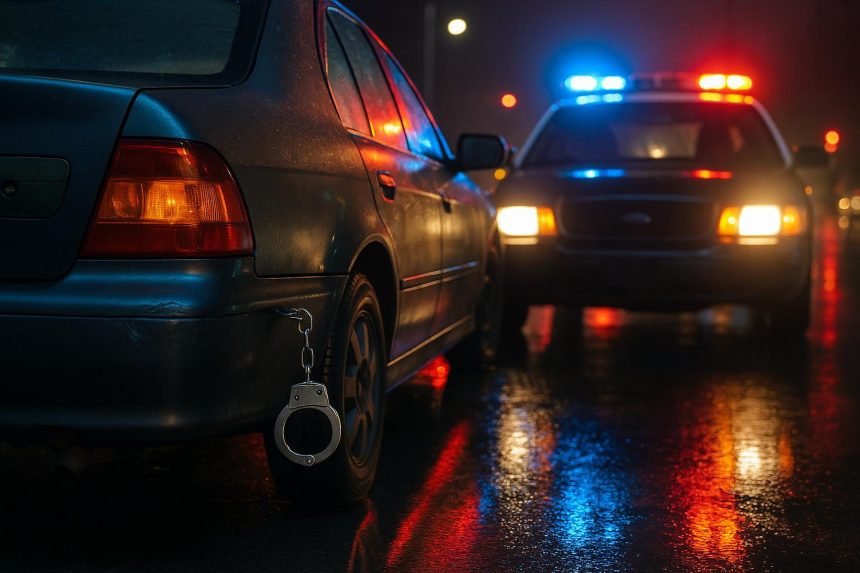
Minor vehicle damage can make people arrested for DUI after a Seattle crash feel like the case is already decided. Scrapes, dents, and broken lights show contact, not blood alcohol level, drug influence, driving capacity, or causation. Prosecutors still need reliable testing, clear observations, accurate timing, and records that connect the contact to alleged impairment.
Seattle drivers facing DUI allegations after a low-speed impact need the full record reviewed before accepting the police version. Reports, field tests, tow notes, repair documents, videos, and insurance statements can support or weaken the charge. Careful review should separate confirmed facts from assumptions and focus on testing, scene conditions, statements, license deadlines, and court strategy.
Crash Evidence Needs Context
Skid marks that stop short of the point of contact, a tight traffic lane, or a poorly marked curb can change how a minor crash is understood in a Seattle DUI file. Police reports can make a small scrape read like a “collision,” so the written description should be compared with photos, tow records, repair estimates, and scene details before it is treated as proof of impairment.
Bodycam footage can add detail the report leaves out, including how the scene looked when the officer arrived and how the vehicle position matched the claimed sequence of events. A Seattle DUI lawyer can use those gaps to challenge the idea that crash damage automatically proves alcohol or drug impairment.
Officer Conclusions Need Review
Words like “impaired” or “under the influence” can carry weight in a Seattle DUI report, but they need clear factual support. The report should explain speech, balance, eye appearance, odor, driving pattern, and any statements attributed to the driver. Broad labels become weaker when the officer does not describe what was actually seen or heard.
Video, dispatch records, and scene conditions should match the written report. Clear speech, steady movement, or normal coordination can conflict with an impairment label. Claimed alcohol odor should include source, distance, timing, and consistency. Bodycam and dashcam footage can show where written conclusions overstate the evidence or leave out facts that affect the charge.
Roadside Testing Can Be Flawed
Flashers reflecting off wet pavement, passing traffic noise, and uneven shoulder gravel can make standard field sobriety tasks harder to perform at a Seattle crash scene. Balance and divided-attention tests depend on clear footing, stable lighting, and instructions that can actually be heard. Injury from the impact, stress levels right after contact, and even footwear like boots or heels can affect gait and steadiness in ways that have nothing to do with alcohol or drugs.
The DUI paperwork should identify the exact test location, the surface type, and the lighting conditions, not just list that tests were “administered.” It should document the instructions word for word, any demonstrations, and any restarts or interruptions caused by traffic or rain. Video matters because it can show pacing, pauses, and distractions that never make it into the narrative, and missing or partial recording can limit the weight of the claimed “clues.”
Insurance Statements Can Create Problems
Recorded claim calls after a minor crash often ask for quick answers about timing, speed, fault, alcohol, medication, and fatigue. In a Seattle DUI case, casual estimates can later look like firm admissions. Adjuster notes, recorded calls, claim forms, and photo submissions may become part of a broader record reviewed by prosecutors.
Seattle drivers should keep insurance communication focused on basic property damage facts until legal risk is reviewed. Statements about drinks, last consumption time, distraction, medication, or tiredness can conflict with police reports, bodycam timing, and test records. Careful wording matters because a claim file can affect negotiations, charging decisions, and arguments about impairment or reckless driving.
Defense Strategy Starts With Proof
Vehicle damage may explain police interest after a minor Seattle crash, but it does not replace proof of impairment, proper procedure, or reliable testing. Dispatch logs, 911 notes, officer arrival times, stop details, and detention length can affect the legal analysis. The state still needs evidence it can lawfully use in court.
Testing records, consent warnings, videos, witness statements, and DOL deadlines need separate review. Breath or blood evidence should be checked for timing, documentation, and compliance with required procedures. Witness accounts should be compared with photos and timelines. License consequences can move quickly, so early review helps preserve hearing rights, motion issues, negotiation options, and trial strategy.
Property damage can make a Seattle DUI more serious, but it does not decide guilt. The case should turn on proof: what the record shows about the stop, the crash mechanics, the timing, the officer’s observations, roadside testing conditions, and any insurance statements. Photos, reports, videos, dispatch logs, and test documents should be compared before any plea, statement, or court decision. When those pieces conflict, the state’s theory may weaken and the defense options can change. Careful review with counsel can protect license deadlines, preserve motion issues, and support better decisions about negotiation, trial, or case resolution.

Lynn Martelli is an editor at Readability. She received her MFA in Creative Writing from Antioch University and has worked as an editor for over 10 years. Lynn has edited a wide variety of books, including fiction, non-fiction, memoirs, and more. In her free time, Lynn enjoys reading, writing, and spending time with her family and friends.