Earning a fitness credential opens up excellent career opportunities in the growing health industry. Passing your examination requires a solid strategy, clear focus, and disciplined study habits. You can achieve success by organizing your preparation early.
Many candidates feel overwhelmed by the sheer volume of textbook information. This guide provides actionable methods to help you absorb the complex textbook material efficiently. You will feel confident when your scheduled test day arrives.
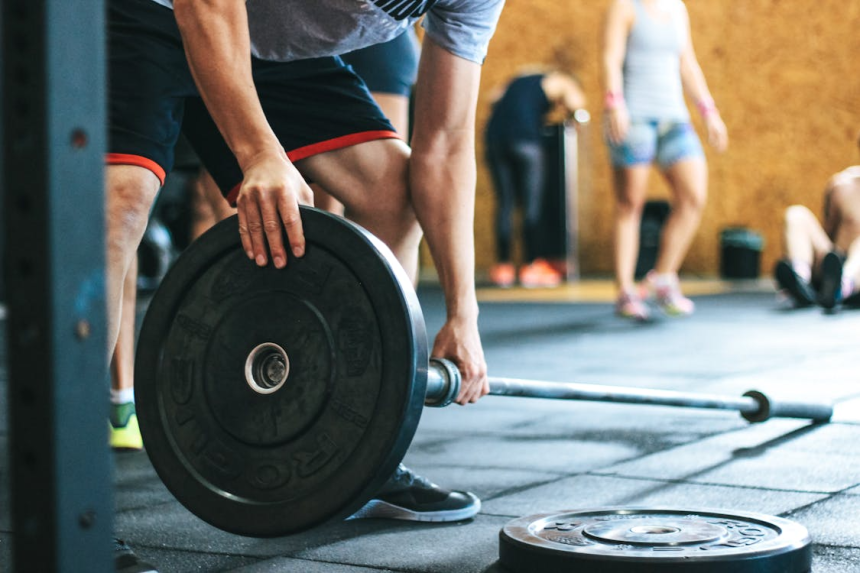
https://www.pexels.com/photo/man-holding-black-barbell-703012/
Selecting Your Perfect Fitness Path
Selecting the correct certification aligns with your future professional milestones. Different fitness organizations focus on distinct training modalities and client populations. Review all available options before purchasing your official registration package.
Your final decision shapes your daily routine as an instructor. Take time to evaluate which unique fitness niche you want to pursue. This clear focus guides your entire educational learning journey.
Researching different certification providers helps you understand their particular exam formats. Some organizations prefer multiple-choice questions. Others utilize practical evaluations to test your skills.
Mastering Human Anatomy Foundations
Anatomy forms the foundational core of every fitness examination. You must grasp how muscles and bones interact during exercises. Memorizing these physical structures requires active daily learning techniques.
Understanding muscle groups requires regular practice. Reviewing guides such as an anatomical directions guide from Brookbush Institute, can help students understand body-position terms more clearly. This knowledge serves you well during client assessments.
Using specialized charts speeds up your memorization process. Focus on these main areas during your weekly anatomy review:
- Muscle origins and insertions
- Joint actions during movement
- Planes of motion classifications
These core concepts appear frequently on major exam sheets.
Breaking Down Massive Course Textbooks
Thick textbooks can discourage eager students during their first study week. Breaking the heavy material into smaller segments prevents mental fatigue. Focus on 1 chapter at a time to retain key concepts.
An industry test preparation article points out that the current fifth edition of the primary textbook contains 18 chapters. Planning your study timeline around this structure prevents last-minute cramming. Spacing out these sections makes your workload manageable.
Reviewing a single segment each week allows for deep comprehension. Take detailed notes on technical terms as you read. Consistent daily effort beats stressful cramming every single time.
Aligning Your Preparatory Study Materials
Using materials that match your current curriculum prevents major confusion. Outdated study guides might omit updated fitness industry guidelines. Check your publication dates before you start reading any new book.
A personal training resource recommends selecting a preparatory guide that coincides directly with your textbook edition. Matching your test materials prevents studying outdated or incorrect data. This alignment keeps your exam preparation accurate.
Look for interactive flashcards and practice quizzes available online. Dynamic tools reinforce memory retention better than passive textbook reading. Supplement your manual with useful visual aids.
Designing A Productive Daily Schedule
Setting a strict timeline keeps your test preparation on track. Many successful students benefit from a 12-week calendar tracking system. Regular practice helps transfer facts into long-term memory.
Dedicate 1 hour daily to reviewing your chapter notes. Small, regular blocks of study time yield better results than weekend marathons. Consistency protects your tired brain from burning out.
Track your daily progress on a physical wall calendar. Checking off completed topics provides a great sense of accomplishment. Visual progress maintains your motivation through difficult textbook chapters.
Meeting Every Test Day Requirement
Preparing for the test involves more than studying textbook facts. You must meet certain administrative prerequisites before sitting for the final exam. Missing these tiny details can delay your career launch.
An educational guide notes that test takers must present a valid government photo identification card alongside a current CPR certificate on exam day. Gathering these items early prevents last-minute panic. Verify your personal credentials a week before testing.
Keep your identification documents in a secure, accessible place. Double-check the exact expiration dates on your emergency response cards. Being organized reduces unnecessary pre-test performance nervousness.
Practice Exams And Final Preparations
Practice tests accurately simulate the actual testing environment. They highlight your personal strengths and reveal remaining knowledge gaps. Use these tools to build your mental testing endurance.
Simulate real exam conditions by turning off your mobile phone. Set a strict timer to match the official exam time limit. This realistic practice reduces anxiety when you face the real test.
Analyze every wrong answer to find your precise mistakes. Reread the textbook sections covering those weaker topic areas. Targeted review transforms your remaining academic weaknesses into strengths.
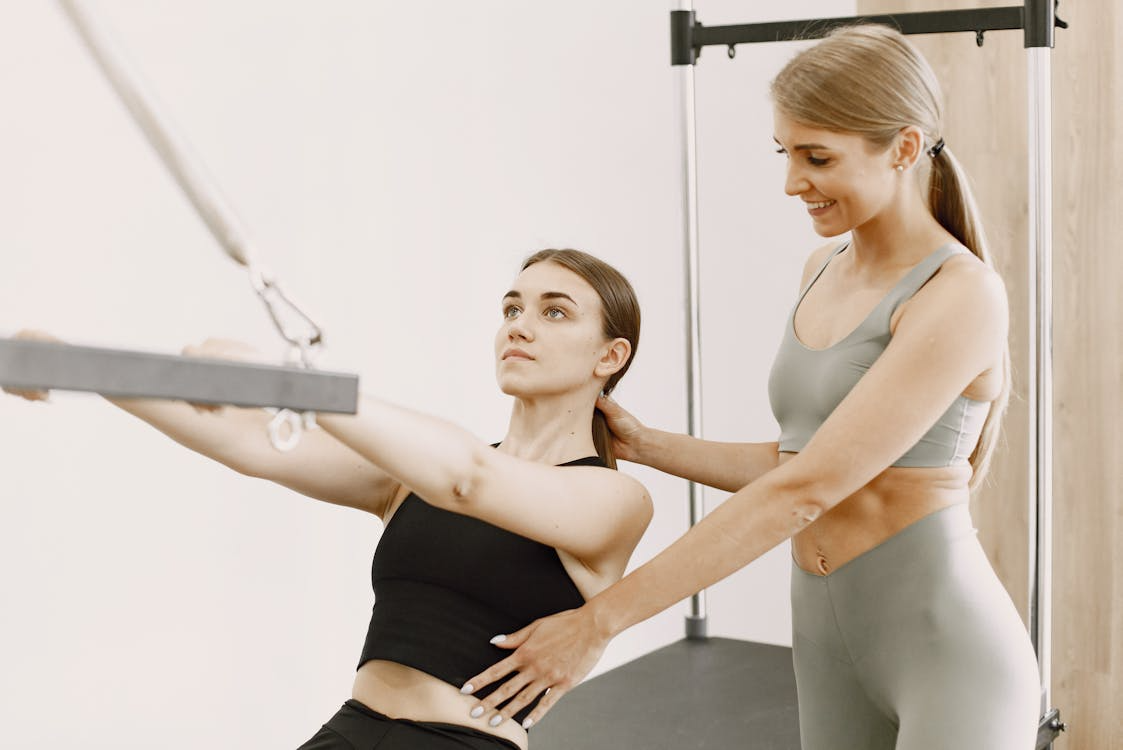
https://www.pexels.com/photo/gym-instructor-guiding-a-woman-8769171/
Passing your examination requires true dedication and organized effort. Utilizing systematic tools keeps your training education plan completely structured. Your future fitness clients will benefit from your thorough preparation.
Stay focused on your professional aspirations throughout this learning process. Every single hour spent studying brings you closer to your fitness career. Your hard work pays off when you receive your official passing certificate.

Lynn Martelli is an editor at Readability. She received her MFA in Creative Writing from Antioch University and has worked as an editor for over 10 years. Lynn has edited a wide variety of books, including fiction, non-fiction, memoirs, and more. In her free time, Lynn enjoys reading, writing, and spending time with her family and friends.