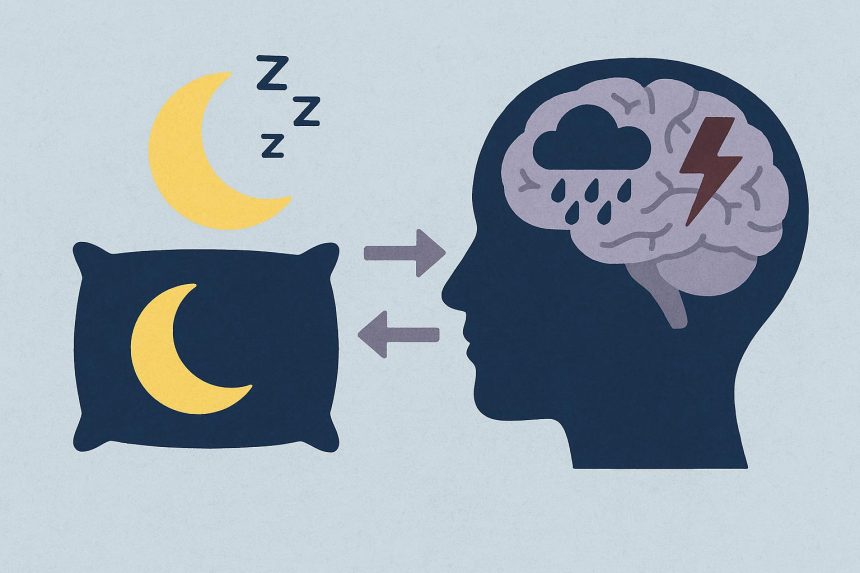
Sleep is one of the most important foundations of overall health, yet millions of people struggle with obtaining the quality rest their bodies and minds need. While occasional sleepless nights are common, ongoing sleep disturbances can have a profound effect on emotional well-being and may contribute to the development or worsening of psychiatric conditions. Understanding the relationship between sleep and mental health can help individuals recognize symptoms early and seek appropriate support.
Sleep and mental health are closely interconnected. Poor sleep can negatively affect mood, concentration, energy levels, and emotional regulation. Likewise, psychiatric conditions such as anxiety, depression, bipolar disorder, and post-traumatic stress disorder can interfere with healthy sleep patterns. Because these issues often influence one another, addressing both sleep quality and mental health is essential for long-term wellness.
Insomnia is one of the most common sleep disorders. Individuals with insomnia may have difficulty falling asleep, staying asleep, or waking up too early and being unable to return to sleep. Chronic insomnia can lead to fatigue, irritability, memory problems, and reduced productivity. Over time, inadequate sleep may increase vulnerability to anxiety and depression, creating a cycle that becomes increasingly difficult to break.
Anxiety disorders frequently contribute to sleep problems. Excessive worry, racing thoughts, and heightened stress responses can make it challenging to relax at bedtime. People with anxiety often report lying awake thinking about future responsibilities or replaying stressful situations in their minds. The resulting sleep deprivation may worsen anxiety symptoms and reduce a person’s ability to cope with everyday stressors.
Depression also has a strong connection to sleep disturbances. Some individuals with depression experience insomnia, while others may sleep excessively and still feel tired throughout the day. Changes in sleep patterns are considered one of the hallmark symptoms of depressive disorders. Addressing these sleep disruptions often plays an important role in successful treatment and recovery.
Bipolar disorder is another psychiatric condition commonly associated with changes in sleep. During manic episodes, individuals may require very little sleep and still feel energized. During depressive episodes, they may experience excessive sleepiness or severe fatigue. Monitoring sleep patterns can provide valuable insight into mood changes and help healthcare professionals develop effective treatment plans.
Sleep apnea is another condition that can influence mental health. Characterized by repeated interruptions in breathing during sleep, sleep apnea may lead to daytime fatigue, impaired concentration, irritability, and mood changes. Many people with untreated sleep apnea report symptoms that resemble anxiety or depression. Proper diagnosis and treatment can significantly improve quality of life and emotional well-being.
Fortunately, there are many strategies that can promote better sleep and support mental health. Establishing a consistent bedtime routine, limiting caffeine intake, reducing screen exposure before bed, and creating a comfortable sleep environment are simple but effective habits. Regular exercise and stress management techniques such as meditation and deep breathing exercises may also contribute to improved sleep quality.
In some cases, lifestyle modifications alone may not be sufficient. Persistent insomnia, severe mood changes, panic attacks, or ongoing emotional distress should not be ignored. Professional evaluation can help determine whether an underlying psychiatric condition, sleep disorder, or combination of factors is contributing to symptoms. Early intervention often leads to better outcomes and improved daily functioning.
Psychiatrists are uniquely trained to evaluate the relationship between emotional health and sleep disturbances. Through comprehensive assessments, they can identify contributing factors and develop individualized treatment plans tailored to each person’s needs. Treatment may include therapy, medication management, lifestyle recommendations, or a combination of approaches designed to restore emotional balance and healthy sleep patterns.
Individuals seeking specialized mental health care may benefit from consulting a Carmel Indiana psychiatrist who can provide personalized support for conditions involving anxiety, depression, insomnia, bipolar disorder, and other psychiatric concerns. Professional guidance can help patients better understand their symptoms and create a path toward lasting emotional wellness.
Mental health and sleep quality should never be viewed separately. Healthy sleep supports emotional resilience, cognitive performance, and physical health, while untreated sleep disturbances can significantly affect quality of life. By recognizing the connection between sleep and psychiatric conditions, individuals can take proactive steps toward better health and improved overall well-being.
Investing in healthy sleep habits and seeking professional care when necessary can make a meaningful difference. With proper support and individualized treatment, many people are able to regain restful sleep, improve their mood, and enjoy a healthier and more balanced life.

Lynn Martelli is an editor at Readability. She received her MFA in Creative Writing from Antioch University and has worked as an editor for over 10 years. Lynn has edited a wide variety of books, including fiction, non-fiction, memoirs, and more. In her free time, Lynn enjoys reading, writing, and spending time with her family and friends.