Jewelry preferences evolve, but some styles earn their place by solving a real problem rather than chasing a trend. Permanent anklets have steadily gained ground among people who want something wearable every single day without the upkeep that most accessories demand.
Clip-on and clasp-based designs require regular attention, and the hardware tends to fail before the wearer is ready to let go. A welded anklet removes that friction entirely, sitting quietly on the ankle until it becomes as unremarkable as the skin beneath it.
What Makes Permanent Anklets Different
Standard anklets depend on closures. Lobster clasps, spring rings, and adjustable sliders all serve a purpose, but they also introduce the most common points of failure. A clasp that loosens over months of wear is deceptively simple to overlook until the piece disappears mid-errand.
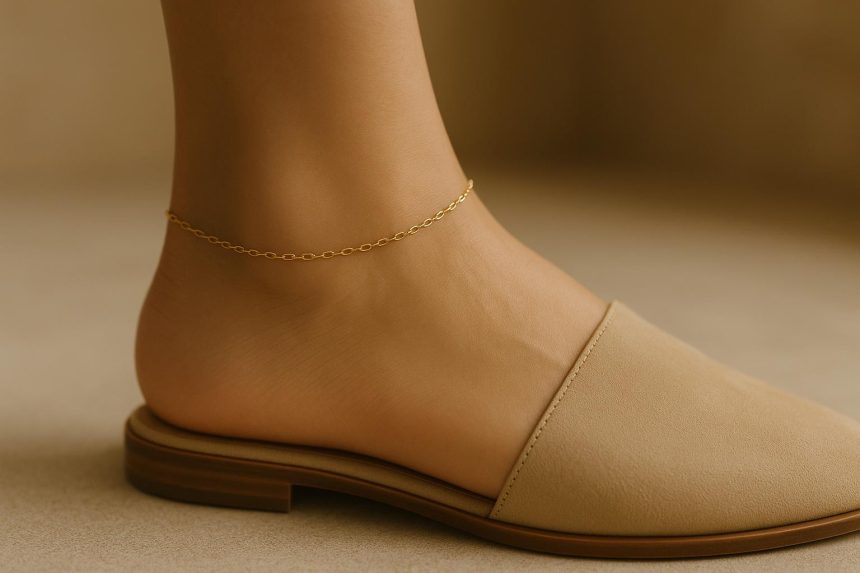
People drawn to a permanent jewelry anklet are often responding to exactly that frustration. The welded design eliminates the closure entirely, fusing the chain into a continuous loop directly at the ankle. A jeweler uses a small pulse welder to join the ends, leaving no gap, no hardware, and nothing that can work itself loose. The finished piece sits flush against the skin with a clean, uninterrupted line.
The Welding Process
Most appointments wrap up in under thirty minutes. The jeweler sizes the chain against the ankle, positions the ends at the join point, and applies a quick weld. The wearer feels no heat, and there is no healing period or aftercare required once the appointment ends.
Why 2026 Is the Right Time
Minimalism has quietly shaped personal style choices across accessories, clothing, and even home goods for several years. That preference for simplicity has found a natural home in permanent jewelry. Search data from early 2026 shows that interest in ankle jewelry is roughly 40 percent higher than two years prior, with welded styles accounting for a growing slice of that volume.
The practical case is just as strong as the aesthetic one. Permanent anklets stay on through workouts, showers, and open water without any need for removal. Quality metals like 14-karat gold and sterling silver resist oxidation well under those conditions, maintaining their finish across months of continuous wear. Most wearers stop noticing the piece is there within the first week.
Metal Options and Durability
Choosing the right metal carries more weight here than it would with a removable piece. The anklet will be worn through every season and every activity, so the material needs to perform accordingly.
14-karat gold is the most reliable option for long-term wear. It resists tarnish, holds its color through repeated water exposure, and remains comfortable against the skin over extended periods.
Sterling silver offers a lower entry cost and a clean, bright finish. It requires occasional polishing to stay sharp after months of continuous wear, but it holds up well for most wearers.
Gold-filled chain sits between solid gold and plated options. The gold layer is substantially thicker than standard plating, giving it considerably better longevity for everyday use.
What to Avoid
Gold-plated chains are not built for this kind of wear. Daily friction wears through the surface layer within months, exposing the base metal underneath. That base metal can cause irritation for people with sensitive skin, making plated options a poor fit for permanent styles.
Fit and Comfort Over Time
A comfortable fit leaves a small but deliberate amount of slack, enough to slip one finger underneath without effort. That clearance allows the chain to move naturally with the ankle rather than pulling against the skin during activity.
Ankles can swell modestly in warm weather or after extended physical effort. An experienced jeweler accounts for these factors during sizing, leaving room that keeps the piece comfortable through seasonal shifts rather than fitting it snugly at room temperature.
Removal When Needed
The word “permanent” tends to raise a practical concern for first-time wearers. Removal is straightforward. A pair of fine scissors or small wire cutters cuts through the chain cleanly, with no risk to the skin and no damage to the metal itself. Some wearers keep the cut piece, others bring it back to be re-welded at a future appointment.
The commitment is real, but it is not absolute. It simply requires a slightly more deliberate decision than unclipping a standard closure.
Maintenance Day-to-Day
The daily routine requires almost nothing. A brief rinse with mild soap and warm water once a week keeps the chain clean and free of buildup. Staying away from harsh cleaning products and high-chlorine water helps preserve the surface finish over the long run.
There is no case to store it in, no nightly routine to maintain, and no risk of leaving it behind. The anklet stays, and that is precisely the point.
Conclusion
Permanent anklets stand apart from clip-on styles because they remove the small, recurring effort that most jewelry quietly demands. No clasp to check, no sizing to revisit, no piece left behind on a bathroom counter. For anyone who wants an accessory that genuinely integrates into daily life rather than requiring management, the welded anklet makes a strong case for itself in 2026. The appeal is not just aesthetic; it is entirely practical.

Lynn Martelli is an editor at Readability. She received her MFA in Creative Writing from Antioch University and has worked as an editor for over 10 years. Lynn has edited a wide variety of books, including fiction, non-fiction, memoirs, and more. In her free time, Lynn enjoys reading, writing, and spending time with her family and friends.