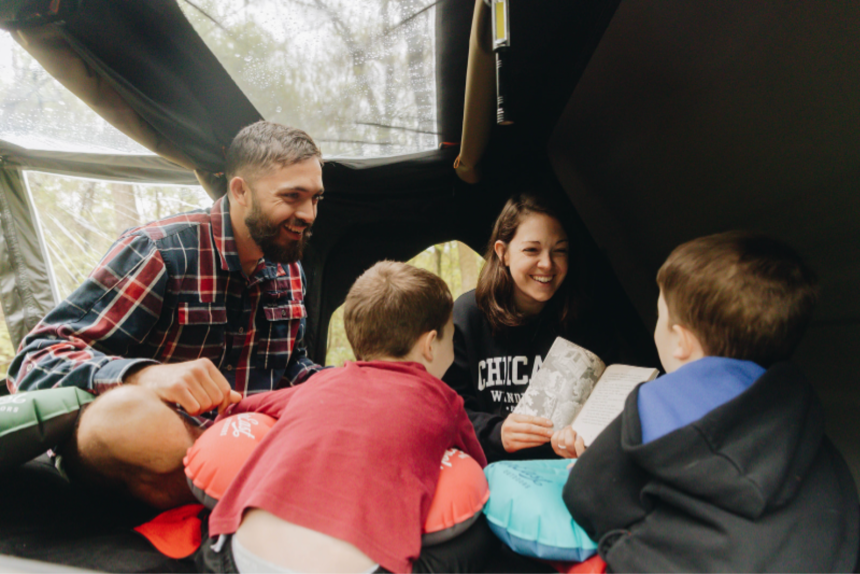
It usually starts the same way. Someone in the family says it would be good to get out of the city for a bit. Nothing ambitious—just a short camping trip, maybe somewhere near the coast or across the border where the air feels slightly less structured than home.
In Singapore, that idea often turns into a weekend drive toward Malaysia or a coastal campsite within a few hours’ reach. The distance is short, which is exactly why people tend to underestimate how much they bring.
Because when the destination feels close, preparation starts to feel harmless. And that is usually where overpacking begins.
On the morning of departure, things still feel under control. There is a sense of order—bags lined up near the door, a mental checklist running quietly in the background. But somewhere between “just in case” thinking and actual loading, the list starts to expand on its own.
A second blanket appears because nights near the water might be colder than expected. Extra snacks get added because children can get unpredictable in traffic. A folding chair is placed near the door, then moved into the car without much discussion. Nothing feels unnecessary in isolation.
That is the subtle problem.
By the time the trunk is open, the car no longer feels like transportation. It feels like a storage problem that hasn’t been solved yet. Seats become partial shelves. Bags start occupying spaces meant for people. And no one remembers exactly when the trip turned into a packing exercise.
One family described their first real camping attempt near Desaru Coast as the moment they understood this shift. The plan was simple: two nights outdoors, a reset from routine, something light.
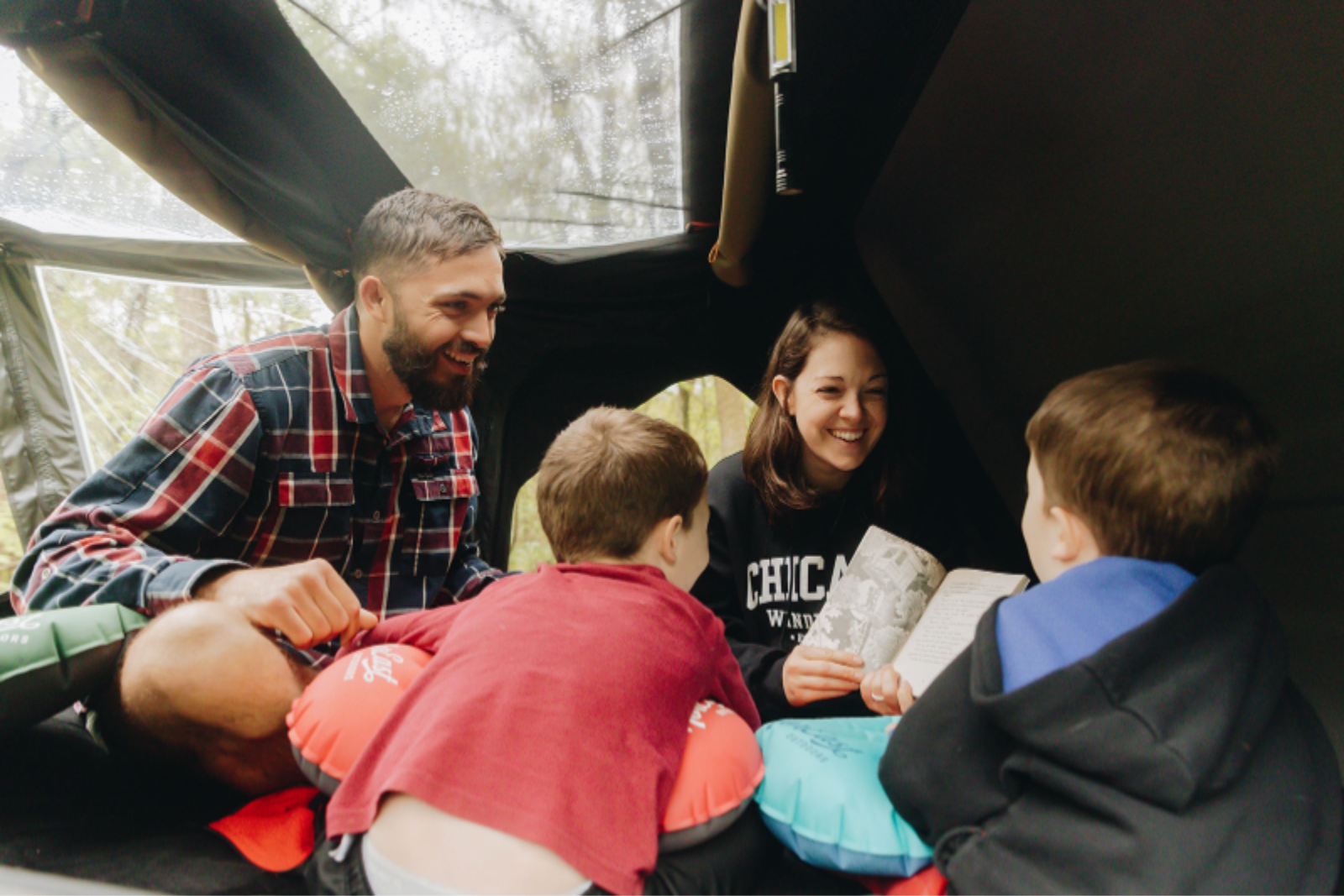
But when they started loading the car, the simplicity disappeared.
There was no single item that caused the issue. It was the accumulation of uncertainty. Every object had a reason, but together they created something heavier than expected. At one point, the trunk almost closed, then reopened, then adjusted again—not because anything was wrong, but because space had become negotiable.
What changed their approach later was not a stricter packing list. It was a different idea of comfort.
Instead of trying to bring home-level convenience into nature, they started thinking about how quickly a setup could turn into a livable space once they arrived. It became less about volume and more about transition.
That shift sounds small, but it affects everything else.
When sleeping arrangements become simpler and more defined, the rest of the packing list naturally shrinks. You stop adding “backup comfort” items because comfort is already accounted for in a more stable way. You stop preparing for every possible discomfort because the baseline has already been set.
In that context, some families begin to pay attention to more integrated camping setups, not because they are trend-driven, but because they reduce decision fatigue before the trip even starts. It is less about gear preference and more about removing variables.
In some planning conversations, people casually refer to setups like family camping setup when discussing how to simplify space usage in the car. Not as a recommendation, but as a reference point for how much of the packing logic disappears when fewer separate components are involved.
Once that happens, something interesting follows. The question shifts from “what else should we bring?” to “do we actually need anything beyond this?”
And that is usually where overpacking loses momentum.
Because most extra items are not about necessity. They are about imagined versions of the trip. The cold that might come. The boredom that might appear. The inconvenience that hasn’t happened yet but feels plausible enough to prepare for.
But when the setup feels complete early, those imagined problems lose urgency.
Even the campsite experience itself changes. Instead of opening bags for the next hour, families tend to settle faster. There is less sorting, less reshuffling, less negotiating over where things should go. The space becomes usable sooner, which is often what people actually want from “being outdoors”—not more things, but more time that feels unstructured.
In one case, after a trip near the southern coastline, a father mentioned something unexpectedly simple. He didn’t talk about the location or the weather. He talked about the fact that they spent more time sitting together in the evening than they did handling equipment. Nothing was missing, but nothing extra was in the way either.
Later, when reflecting on how they prepared differently the next time, he said they stopped trying to plan for every scenario. Instead, they started trusting that a well-defined setup would handle most of what they were trying to prepare for manually.
Sometimes that shift comes from experience. Sometimes it comes from seeing how others approach similar trips. Looking at how different families arrange their space can quietly reset expectations of what “enough” actually looks like.
That is part of why browsing real trip layouts or shared setups becomes useful. Not for instruction, but for calibration. Even a quick look at examples like Naturnest Gallery can subtly change how people think about space, not by showing more options, but by showing less clutter than expected.

Overpacking rarely comes from a lack of planning. It comes from overestimating how many versions of a situation need to be covered in advance.
And family camping trips tend to expose that very quickly. The moment everything has to fit into one vehicle, assumptions about necessity become physical. Space becomes the final filter.
At that point, planning is no longer about optimization. It becomes about restraint that feels natural rather than forced.
And when that balance is right, the trip doesn’t feel lighter because fewer things were brought. It feels lighter because fewer decisions are still waiting to be made.

Lynn Martelli is an editor at Readability. She received her MFA in Creative Writing from Antioch University and has worked as an editor for over 10 years. Lynn has edited a wide variety of books, including fiction, non-fiction, memoirs, and more. In her free time, Lynn enjoys reading, writing, and spending time with her family and friends.