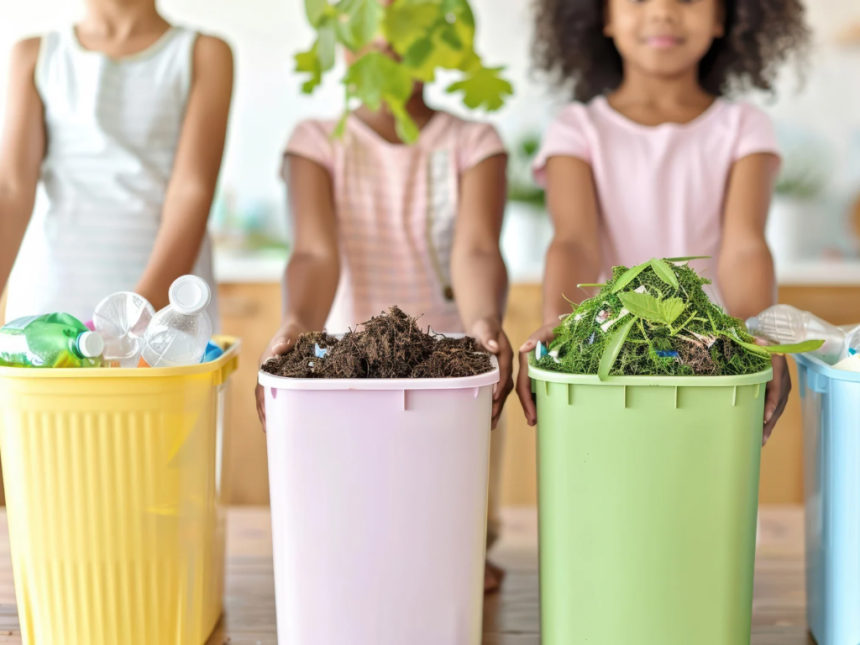
Waste management has become an increasingly important issue across Australia. With growing populations, rising consumption, and environmental concerns becoming more visible, households play a major role in reducing the amount of waste sent to landfill each year.
While councils and waste management providers continue improving recycling systems and collection services, everyday habits inside the home still make the biggest difference. Small changes in how waste is sorted, stored, reused, and disposed of can significantly reduce environmental impact while helping households stay cleaner and more organised.
Smart waste disposal is not about being perfect. It is about making practical, responsible choices consistently. Whether you live in a city apartment, suburban family home, or rural property, adopting better waste habits benefits both your household and the wider community.
Here are some of the most effective waste disposal habits every Australian household should follow.
Understand Your Local Waste Collection System
One of the most overlooked aspects of responsible waste disposal is understanding how local council waste systems actually work.
Different councils across Australia have different recycling rules, collection schedules, and accepted materials. What may be recyclable in one area may not be accepted in another. This often leads to contamination, where incorrect items are placed into recycling bins and entire loads become unusable.
Take the time to review your council’s waste management guidelines. Most councils provide clear information on:
- General waste bins
- Recycling bins
- Green waste bins
- Hard rubbish collections
- E-waste disposal
- Hazardous waste drop-off locations
Knowing exactly what belongs in each bin is one of the simplest ways to improve household waste disposal habits.
Separate Waste Correctly at Home
Effective waste separation starts inside the household. If rubbish is not sorted properly before disposal, recycling systems become less efficient and more materials end up in landfill.
A simple and effective setup may include:
- A general waste bin
- A recycling bin
- A food scraps or compost container
- A green waste bin
- A small container for batteries or e-waste
Creating dedicated spaces for different waste types makes disposal easier and encourages consistency among all household members.
Teaching children proper waste sorting from a young age can also build long-term environmentally responsible habits.
Reduce Single-Use Plastics
Single-use plastics remain one of the largest contributors to household waste in Australia. Items such as plastic bags, takeaway containers, straws, cling wrap, and bottled water are often used briefly before being discarded.
Reducing single-use plastics can dramatically decrease household waste volumes.
Some simple alternatives include:
- Reusable shopping bags
- Stainless steel or glass drink bottles
- Reusable coffee cups
- Beeswax wraps instead of cling film
- Refillable cleaning products
- Reusable food containers
Many supermarkets and retailers across Australia now support refill stations and low-waste shopping options, making sustainable choices more accessible than ever.
Compost Food Waste Where Possible
Food waste makes up a significant portion of Australian household rubbish. Unfortunately, when food waste is sent to landfill, it breaks down without oxygen and produces methane, a greenhouse gas that contributes to climate change.
Composting is one of the most effective ways to reduce food waste while creating nutrient-rich material for gardens.
Suitable compost materials generally include:
- Fruit and vegetable scraps
- Coffee grounds
- Tea leaves
- Eggshells
- Grass clippings
- Dry leaves
- Small garden trimmings
Even households without large gardens can use compact compost systems or worm farms suitable for smaller outdoor spaces.
Reducing food waste also starts with smarter grocery shopping and meal planning. Buying only what is needed and properly storing fresh produce can prevent unnecessary spoilage.
Recycle Responsibly
Recycling is essential, but correct recycling is even more important.
Many Australians attempt to recycle items that are not actually accepted through kerbside systems. This practice, often called “wish-cycling”, can contaminate entire recycling loads.
Common mistakes include placing these items in recycling bins:
- Plastic bags
- Garden hoses
- Soft plastics
- Greasy pizza boxes
- Broken glassware
- Clothing
- Batteries
Before recycling, containers should also be emptied and lightly rinsed to remove food residue.
Soft plastics should typically be handled through specialised collection programs where available. Batteries and electronic waste should never be placed in standard household bins due to fire risks and environmental hazards.
Responsible recycling is about quality rather than quantity.
Dispose of E-Waste Properly
Electronic waste, commonly known as e-waste, is one of the fastest-growing waste categories in Australia.
Old phones, laptops, televisions, printers, chargers, and household appliances often contain hazardous materials alongside valuable recyclable components.
Improper disposal of e-waste can lead to environmental contamination and wasted recoverable resources.
Many councils and recycling centres now offer dedicated e-waste disposal programs. Some retailers also accept old electronics for recycling when purchasing new products.
Before disposing of electronic devices, households should ensure:
- Personal data is erased securely
- Batteries are removed where possible
- Working devices are donated or resold if suitable
Extending the life of electronics through repair or reuse is often the most sustainable option.
Avoid Overstocking and Impulse Buying
One of the simplest ways to reduce household waste is to buy less unnecessary material in the first place.
Impulse purchases, excessive packaging, and duplicate household items often lead to clutter and waste over time. Many products are discarded long before they are fully used.
Before making purchases, households can ask:
- Do we actually need this?
- Will this item last?
- Can it be reused or repaired?
- Does it come with unnecessary packaging?
Choosing durable, reusable products instead of disposable alternatives reduces long-term waste and can also save money.
Minimal waste living does not require extreme lifestyle changes. Small purchasing decisions can have a significant cumulative effect.
Donate and Reuse Before Throwing Away
Many household items still have value even if they are no longer needed.
Furniture, clothing, toys, kitchenware, books, and appliances can often be donated, sold, or reused rather than discarded.
Australia has many charitable organisations, community groups, and online marketplaces that support second-hand reuse.
Before disposing of household goods, consider whether the item could:
- Be repaired
- Be repurposed
- Be donated
- Be sold
- Be given to family or friends
Extending product life cycles reduces landfill pressure and supports more sustainable consumption patterns.
Be Careful with Hazardous Household Waste
Certain household products require specialised disposal methods due to environmental and safety risks.
Hazardous waste may include:
- Paints
- Chemicals
- Cleaning products
- Pesticides
- Motor oils
- Gas bottles
- Fluorescent light bulbs
- Batteries
These items should never be poured down drains, placed in general waste bins, or dumped illegally.
Most Australian councils provide designated drop-off events or permanent collection facilities for hazardous waste disposal.
Storing these products safely until proper disposal is available helps protect waterways, soil quality, and public health.
Use Green Waste Services Effectively
Garden waste can quickly accumulate, especially in Australian households with larger outdoor spaces.
Rather than placing garden waste in general rubbish bins, households should use dedicated green waste bins or composting systems where available.
Green waste typically includes:
- Grass clippings
- Leaves
- Small branches
- Weeds
- Plant trimmings
Separating green waste allows it to be processed into mulch or compost products instead of occupying valuable landfill space.
However, it is important not to overload green waste bins with unsuitable materials such as treated timber, plastic plant pots, or soil.
Teach Sustainable Habits to the Whole Household
Waste reduction works best when everyone in the household participates.
Clear communication and simple systems help build consistency among family members, children, and housemates.
Helpful habits may include:
- Labelling bins clearly
- Creating easy-access recycling stations
- Discussing waste goals as a family
- Encouraging reusable lunch containers
- Reducing food waste together
Children especially benefit from learning environmentally responsible behaviours early in life. These habits often continue into adulthood and influence future generations.
Plan for Large Household Clean-Ups Responsibly
During renovations, moving house, spring cleaning, or major decluttering projects, waste volumes can increase dramatically.
Rather than dumping everything into general waste, households should sort items carefully and explore responsible disposal options.
This may include:
- Donating usable goods
- Recycling metal and cardboard
- Booking hard rubbish collections
- Using dedicated recycling centres
- Hiring professional waste removal services when necessary
Proper planning prevents illegal dumping and ensures recyclable materials are handled appropriately.
Why Smart Waste Habits Matter
Responsible household waste disposal is about more than keeping homes tidy. It directly affects environmental sustainability, landfill capacity, wildlife protection, public health, and resource conservation.
Australia continues working towards improved recycling systems and reduced environmental impact, but long-term success depends heavily on individual household behaviour.
Even small actions repeated consistently across millions of households can create meaningful environmental improvements.
Better waste habits can also lead to:
- Cleaner living spaces
- Reduced clutter
- Lower household costs
- Greater environmental awareness
- Stronger community responsibility
The goal is not perfection. The goal is making smarter choices wherever possible.
Conclusion
Smart waste disposal habits are becoming increasingly important for Australian households. From separating recycling correctly to reducing food waste and avoiding unnecessary consumption, practical everyday actions can make a substantial difference over time.
Responsible waste management starts at home. By understanding local recycling systems, reducing single-use products, composting organic waste, disposing of hazardous materials properly, and encouraging sustainable habits among family members, households can significantly reduce their environmental impact.
Simple, consistent changes are often the most effective. As more Australians adopt smarter waste disposal habits, communities across the country can move towards a cleaner, more sustainable future.

Lynn Martelli is an editor at Readability. She received her MFA in Creative Writing from Antioch University and has worked as an editor for over 10 years. Lynn has edited a wide variety of books, including fiction, non-fiction, memoirs, and more. In her free time, Lynn enjoys reading, writing, and spending time with her family and friends.