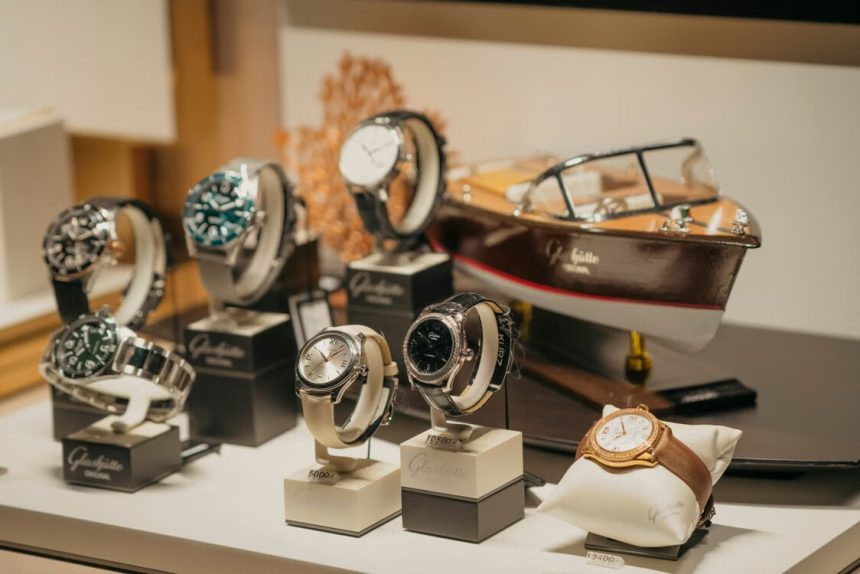
The luxury watch industry no longer stops at the boutique door. Once relegated to dealer backrooms, the secondary market has become a core driver of the industry, shaping how brands build hype, retailers plan inventory, and collectors decide what is worth buying.
This shift from the margins to the mainstream is rewriting the rules of modern watch collecting.
Why Resale Matters More Now
Pre-owned watches have become a serious entry point for buyers who want luxury without boutique waitlists or full retail pricing. A collector may start with a used Tudor, Cartier, Omega, or Rolex before building a relationship with a retailer. That path helps brands reach people earlier.
Many buyers start with resale because it can offer:
- Faster access
- Lower entry prices
- Discontinued models
- Broader selection
- Less boutique pressure
The shift is clear with younger shoppers. According to Deloitte, 40% of Gen Z consumers said they intended to buy a pre-owned watch in the next twelve months. For the watch business, resale is becoming a customer acquisition channel.
Pre-owned demand also gives the industry a read on buyer confidence. When a model stays desirable after the first sale, it strengthens the brand story.
Secondary Watch Market Growth
Resale prices function as a live pricing index for consumer sentiment, translating subjective collector desire into hard inventory metrics. Sustained trading above retail gives brands empirical proof of equity, whereas softening secondary quotes prompt retailers to immediately adjust trade-in valuations and localized stock allocations. This feedback loop forces legacy houses and independent stockists alike to treat aftermarket movement as a primary business indicator rather than background noise.
Industry analysis from JCK on secondary watch market growth examines how rising pre-owned demand and changing resale values are influencing the luxury watch industry. These trends can affect pricing, inventory decisions, authorized retailers, and how brands respond to the expanding market for pre-owned watches.
Certified Pre-Owned Programs Change the Balance
Certified pre-owned programs let brands enter resale instead of watching from the sidelines. A brand-backed channel can make buyers feel safer because the watch comes through a controlled process. It also lets retailers turn trade-ins into customer relationships.
Authorized retailers benefit because pre-owned inventory gives collectors another reason to return. Someone who sells or trades a watch may also ask about a new release or browse other models. Resale becomes part of the relationship that once focused only on new watches.
Independent dealers still matter because they often offer broader choice, faster access, and sharper market knowledge. Their challenge is proving trust where buyers expect better documentation and cleaner listings. Dealers respond with clearer photos, grading, and service support.
Authentication Is Now Part of the Product
Online watch buying depends on confidence because most shoppers cannot personally inspect every movement, bracelet, dial, and case detail. Authentication helps close that trust gap by giving buyers a clearer reason to believe the watch matches the listing. Without that layer, a good price can still feel risky.
Marketplaces and dealers now compete on more than inventory. They compete on how safe the transaction feels. A verified watch with strong documentation can beat a cheaper listing that leaves too many questions unanswered.
Trust-focused resale listings usually include these features:
- Professional inspection
- Clear return terms
- Detailed photos
- Condition grading
- Seller history
These details make pre-owned watches easier for newer buyers to approach. They also raise expectations for everyone selling in the category.
Resale Is Now Part of the Watch Story
The secondary market has become a mirror for the luxury watch industry. It shows what buyers value, which models hold attention, and how much trust matters after the first sale. Brands, retailers, dealers, and collectors can no longer treat resale as a side conversation.
For buyers, that means more choice and better information. For the industry, it means every watch now has a longer public life, one that continues well after it leaves the boutique.

Lynn Martelli is an editor at Readability. She received her MFA in Creative Writing from Antioch University and has worked as an editor for over 10 years. Lynn has edited a wide variety of books, including fiction, non-fiction, memoirs, and more. In her free time, Lynn enjoys reading, writing, and spending time with her family and friends.