


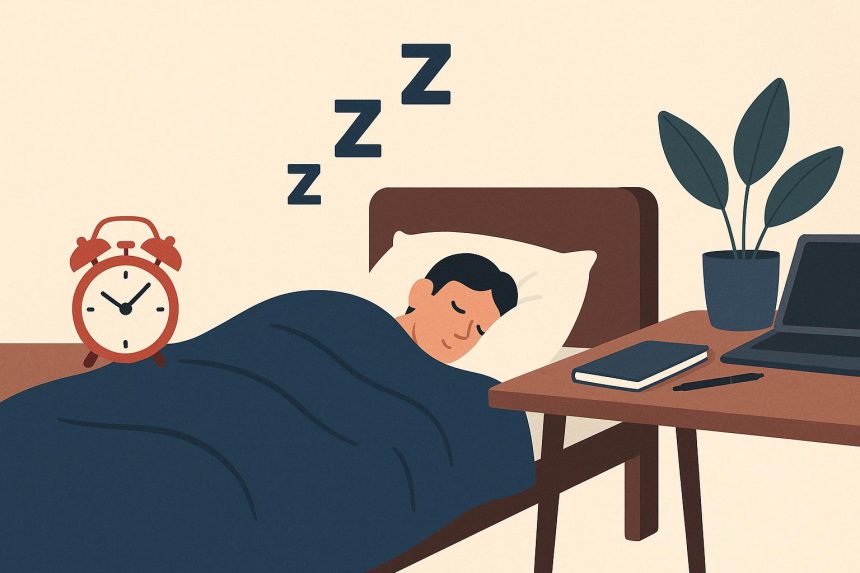
Somewhere along the way, being busy became a badge of honour. People boast about working late, answering emails at midnight and surviving on five hours’ sleep. Social media is full of motivational quotes urging us to “rise and grind” and reminding us that someone, somewhere, is working harder. Rest, by contrast, can feel lazy, indulgent or even guilt-inducing.
But the evidence from psychology and workplace research tells a different story. Constant overwork doesn’t usually lead to better results. It often leads to exhaustion, poor decision-making, declining creativity and, eventually, burnout. For people who’ve already pushed themselves too far, burnout recovery support can help them understand what happened and rebuild a healthier relationship with work. For everyone else, rethinking hustle culture before reaching that point is far easier than recovering afterwards.
The myth of endless productivity
Hustle culture is built on the idea that more hours equals more output. In reality, human energy and attention are limited resources. After a certain point, working longer hours produces diminishing returns. Mistakes increase, focus fades and tasks take longer than they should.
Many people have experienced this firsthand. You stare at the same paragraph for twenty minutes late at night, then solve the problem in five minutes the next morning after a decent sleep. The extra hours didn’t help. Rest did.
Knowledge work in particular relies on creativity, problem-solving and judgement, all of which suffer when we’re tired. Pushing through exhaustion may feel productive, but it often isn’t.
What rest actually does
Rest isn’t just the absence of work. It’s an active process that allows the brain and body to recover.
Sleep is the most obvious example. During sleep, the brain consolidates memories, processes information and clears waste products that build up during waking hours. Poor sleep affects mood, concentration, decision-making and physical health.
Short breaks during the day also matter. Stepping away from a task, going for a walk or simply looking out a window can restore attention and improve performance when you return.
Longer periods of rest, such as weekends, holidays and time spent on hobbies, help people recharge emotionally and gain perspective. Many people find their best ideas arrive when they’re not actively working, in the shower, on a run or during a quiet moment.
Recognising when you need more rest
Our bodies and minds usually send signals when we’re running on empty. Common signs include constant tiredness, irritability, difficulty concentrating, trouble sleeping, frequent illness, loss of motivation and feeling detached from work or relationships.
When these signs become persistent, they may point to burnout, a state of chronic exhaustion caused by prolonged stress. Burnout doesn’t disappear after one good night’s sleep. Recovery often requires deeper changes to workload, boundaries and habits, and sometimes professional support.
Building rest into everyday life
Rest works best when it’s built into routines rather than saved for emergencies.
Protect your sleep by keeping regular bedtimes and limiting screens before bed. Take short breaks during the workday, ideally every hour or so, to stretch, move or step outside. Set boundaries around after-hours emails and messages where possible.
Make time for activities that genuinely restore you. For some people, that’s exercise or time in nature. For others, it’s reading, cooking, creative hobbies or catching up with friends. Use your annual leave, and try to switch off properly when you do.
It can also help to rethink how you measure productivity. Instead of focusing on hours worked, consider the quality and impact of your work.
Learning to rest without guilt can take practice, especially for people who’ve spent years equating their worth with their output. It can help to schedule downtime the same way you’d schedule a meeting, and to notice how you feel and perform after a genuine break. Many people find that a properly restful weekend leaves them sharper and more creative on Monday than a weekend spent half-working ever did.
Employers have a role to play
Workplace culture has a big influence on how people approach rest. When leaders praise long hours, send emails late at night and rarely take holidays, employees often feel pressure to do the same.
Organisations can support healthier habits by setting realistic workloads, encouraging leave, respecting boundaries and modelling balanced behaviour. Under Australian work health and safety laws, employers also need to manage psychosocial risks such as excessive workloads and work-related stress.
Rest isn’t a reward for finishing all your work. It’s what makes good work possible. By rethinking hustle culture and valuing recovery as much as effort, individuals and organisations can create healthier, more sustainable ways of working that lead to better results over the long term.

Lynn Martelli is an editor at Readability. She received her MFA in Creative Writing from Antioch University and has worked as an editor for over 10 years. Lynn has edited a wide variety of books, including fiction, non-fiction, memoirs, and more. In her free time, Lynn enjoys reading, writing, and spending time with her family and friends.