

Plumbing issues can arise unexpectedly and worsen if ignored. From dripping faucets and running toilets to clogged drains and water heater issues, knowing what to do can help prevent damage to your Kentucky home and help your plumber fix the issue faster.
Start by finding the source
Before calling a plumber, it’s helpful to understand where the problem is coming from and what’s causing it. This can help avoid making the issue worse and give your plumber a better idea of what’s going on when they arrive. Keep in mind that you don’t need to troubleshoot every potential issue, just look for any red flags that may indicate a larger problem.
For example, if you notice a wet stain on your ceiling, this could indicate a leaky pipe in the ceiling above, a plumbing issue with your bathroom, or a water heater/appliance issue. Water can travel through your home’s framework before seeping into walls and ceilings, making it important to check other areas for signs of a leak, such as:
- Dampness on floors, around baseboards, cabinets and in walls
- Musty or sewer-like odors around drains
- Low water pressure in multiple areas
- Gurgling noises coming from toilets, sinks and/or tubs
- Higher than normal water usage
- Puddles around appliances and water heaters
If you do find an active leak, try to turn off the valve to contain the damage. If you can’t locate the valve, turn off the water to your entire home using the main shutoff valve.
Make the area ready
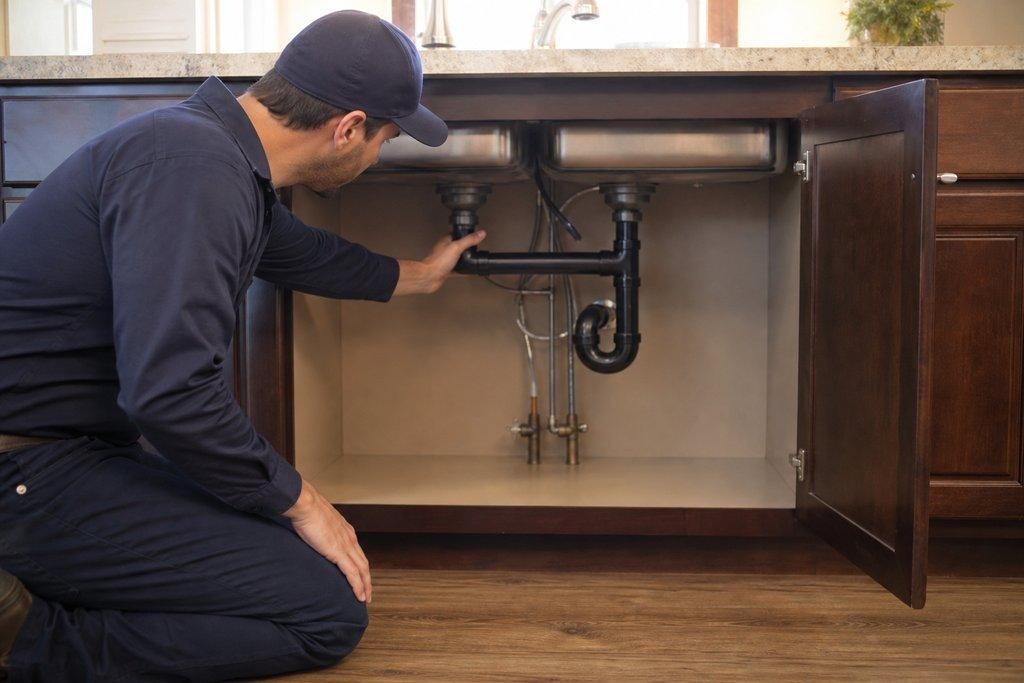
Home plumbing access area
Before your plumber arrives, clear away any items stored on top of or around plumbing components and appliances to give your plumber easy access. This is especially important in cramped spaces, such as under sinks and in small laundry rooms and closets. Keep at least 18 inches of clearance in front of shutoff valves and access panels, if possible. More clearance may be required depending on the manufacturer’s instructions and local codes, especially around heating and cooling equipment. Take the time to put away breakables and other valuables, tidy up clutter and keep pets out of the way to help your plumber perform their job efficiently and safely.
Take recurring drain trouble seriously
If you’ve got a slow-moving or clogged drain, resist the urge to reach for the drain cleaner bottle. Repeated use of chemical drain cleaners, something CNET walks through at https://www.cnet.com/home/kitchen-and-household/the-shocking-truth-about-chemical-drain-cleaners-according-to-a-plumber/, can corrode pipes, release harmful fumes and make it more difficult, and potentially dangerous, for your plumber to address the issue. Instead, try using a plunger or drain snake to attempt to clear the clog. If the clog persists or recurs, it’s best to have a professional investigate the issue. You can visit www.1tomplumber.com/louisville to know more.
It’s also a good idea to avoid ignoring minor drain issues, especially if you’ve got more than one. Slow drains can be caused by a buildup of hair, grease, soap scum and other gunk around your sink or tub, but multiple clogged drains could indicate a more serious issue further down the line. Likewise, if you notice bubbling in your toilet when using other fixtures, this could indicate a drain or venting issue.
Call a plumber if you notice any of the following:
- Water around electrical appliances or outlets
- Sewage backing up out of drains
- Loss of water to your entire home
- A leak from your water heater tank
- A burst pipe or other leak you’re unable to shut off
- Any strong, gas-like smells around your appliances that use gas
It’s best to leave the diagnosis, and the removal of covers on components you’re unfamiliar with, to your plumber, since there may be more going on than what’s visible.
Get ready before your plumber arrives
- If you’re dealing with a burst pipe or other major leak, shut off the water to your home if you’re able to do so safely. Make note of any valves you shut off and let your plumber know when they arrive.
- Take note of which fixtures are affected by the issue and jot down any changes you’ve noticed (e.g., your toilets run constantly after being flushed; drains are slower than they used to be; corrosion or bulging in exposed hoses). Your plumber will be happy to discuss any potential issues you’ve noticed and advise you on whether or not they should be addressed at that time.
- If safe to do so, take photos of any corrosion, water damage, puddles or other issues and note where they’re located. Don’t step into puddles of water near outlets or other electrical equipment.
- If applicable, let your plumber know about any recent renovations or repairs, new appliances, extended absences from your home or extreme weather (particularly freezing temperatures).
Know where your shutoff valves are located
Everyone in your home should know where the shutoff valve is located that controls water to your entire home. Take the time now to show everyone where it is and make sure the area around it is free of clutter so it’s easily accessible in an emergency.

Lynn Martelli is an editor at Readability. She received her MFA in Creative Writing from Antioch University and has worked as an editor for over 10 years. Lynn has edited a wide variety of books, including fiction, non-fiction, memoirs, and more. In her free time, Lynn enjoys reading, writing, and spending time with her family and friends.