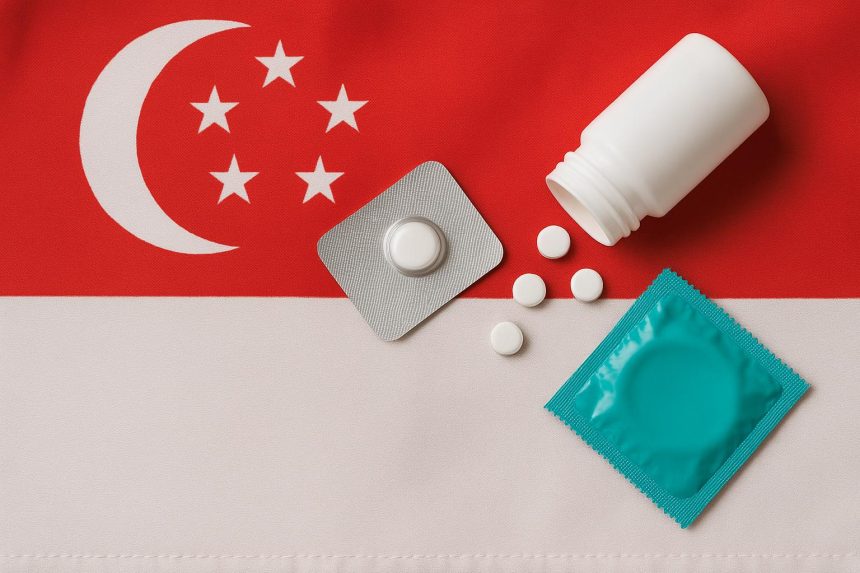
In recent years, morning after pills singapore have become an important part of reproductive healthcare for women seeking a safe and reliable option for emergency contraception. As awareness around reproductive choice grows, more women are turning to these clinically supported solutions to take control of their reproductive health when needed.
The morning after pill is a form of emergency contraception used to prevent pregnancy after unprotected sex or contraceptive failure. It works primarily by delaying or preventing ovulation, which reduces the chance of fertilisation. It is intended as a backup option rather than a regular method of contraception.
There are two main types of morning after pills available. One contains levonorgestrel and is most effective when taken as soon as possible after unprotected sex. The other contains ulipristal acetate and can remain effective for a slightly longer window. Both work best the earlier they are taken.
Timing is one of the most important factors in the effectiveness of emergency contraception. The sooner the pill is taken after unprotected sex, the higher its effectiveness. This is why prompt access and quick action are essential when considering this option.
In Singapore, morning after pills are available through licensed healthcare providers and clinics. Consulting a doctor or pharmacist ensures that the right option is chosen based on individual circumstances and that any questions about use and effectiveness are properly addressed.
It is important to understand that the morning after pill does not protect against sexually transmitted infections. It is solely intended to reduce the risk of pregnancy. For ongoing protection, regular contraceptive methods and safe practices remain essential.
Like all medicines, the morning after pill may cause mild side effects in some women. These can include nausea, fatigue, headache, or changes to the next menstrual cycle. These effects are usually temporary and resolve on their own without the need for further treatment.
One common misconception is that emergency contraception is the same as an abortion pill. This is not the case. The morning after pill works before pregnancy is established by preventing or delaying ovulation, and it will not affect an existing pregnancy.
Access to emergency contraception plays an important role in supporting reproductive autonomy. It provides women with a safe option to manage unexpected situations and make informed decisions about their reproductive health with confidence.
In Singapore, healthcare providers offer guidance and support to ensure that women understand how to use emergency contraception correctly. This professional input helps women feel reassured and well informed when making these decisions.
It is also helpful to view emergency contraception as part of a broader approach to reproductive care. While it is valuable in urgent situations, regular contraception remains the most effective way to prevent unplanned pregnancy over the long term.
Open conversations around reproductive health continue to reduce stigma and improve access to care. As awareness grows, more women feel empowered to seek the support and information they need without hesitation or discomfort.
It is also worth noting that emergency contraception is intended for occasional use rather than as a routine method. Relying on it regularly is less effective and less convenient than using a consistent form of contraception, which offers more reliable protection.
Women who find themselves needing emergency contraception more than occasionally may benefit from discussing longer term options with a healthcare provider. This can help identify a contraceptive method that better suits their lifestyle and provides ongoing peace of mind.
Understanding how the menstrual cycle and ovulation work can also help women make informed decisions about contraception. This knowledge supports better planning and a greater sense of control over reproductive health.
In the end, the morning after pill is a safe and effective option for emergency contraception in Singapore. With proper guidance, timely access, and an understanding of how it works, women can use it responsibly as part of taking control of their reproductive health.

Lynn Martelli is an editor at Readability. She received her MFA in Creative Writing from Antioch University and has worked as an editor for over 10 years. Lynn has edited a wide variety of books, including fiction, non-fiction, memoirs, and more. In her free time, Lynn enjoys reading, writing, and spending time with her family and friends.