Federal prisons are divided into different security levels and facility types based on inmate risk, criminal history, behavior, and custody needs. These facilities range from minimum-security prison camps to highly secure penitentiaries, with each level designed to manage inmates under specific conditions and supervision requirements.
New York is one of the most influential states in the United States and is known for its major cities, financial centers, and extensive legal and correctional systems. The state has a long history of federal law enforcement activity because of its large population and active federal courts.
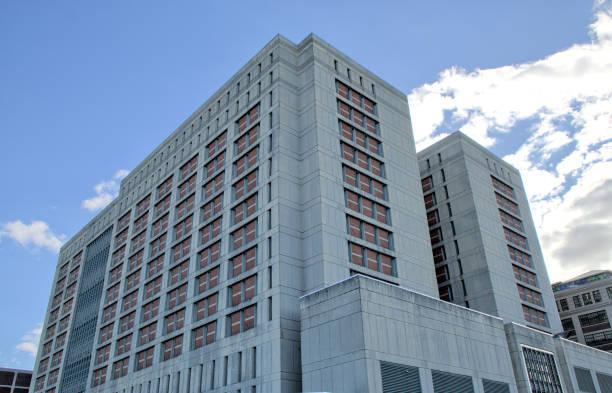
In addition to state correctional facilities, there are also federal prisons in New York that house inmates involved in federal criminal cases. Understanding how these facilities are classified can help people better understand how the federal prison system operates.
How the Federal Prison System Works
To begin with, federal prisons are managed by the Federal Bureau of Prisons, commonly known as the BOP. The agency is responsible for housing individuals convicted of federal crimes throughout the United States.
The federal prison system includes:
- Minimum-security camps
- Low-security institutions
- Medium-security facilities
- High-security penitentiaries
- Administrative facilities
Each type serves a different purpose within the correctional system.
Minimum-Security Federal Prison Camps
Minimum-security prisons are often called federal prison camps. These facilities usually house inmates considered low risk and nonviolent.
Common features include:
- Dormitory-style housing
- Limited fencing or security barriers
- Greater work program opportunities
These facilities generally have fewer restrictions compared to higher-security prisons.
Low-Security Federal Correctional Institutions
Low-security prisons house inmates who require more supervision than minimum-security camps but who are still considered relatively low risk.
These facilities often include:
- Double-fenced perimeters
- Structured daily schedules
- Work and educational programs
Inmates usually live in dormitory or cubicle-style housing units.
Medium-Security Federal Prisons
Medium-security facilities have stronger security measures and house inmates who require closer supervision.
Features commonly include:
- Reinforced fencing systems
- More controlled inmate movement
- Higher staff-to-inmate supervision levels
These prisons often house inmates convicted of more serious federal offenses.
High-Security United States Penitentiaries
High-security federal prisons, commonly called penitentiaries, house inmates considered the highest security risks in the federal system.
These facilities typically have:
- Highly controlled movement
- Extensive surveillance systems
- Secure cell housing
Violent offenders and inmates with significant criminal histories are often placed in these institutions.
Administrative Federal Facilities
Administrative facilities are unique institutions that serve specialized purposes within the federal prison system.
These may include:
- Medical centers
- Detention centers
- Transportation centers
- Facilities for high-profile inmates
Some administrative institutions house inmates from multiple security classifications.
How Security Levels Are Determined
The Federal Bureau of Prisons uses classification systems to decide where inmates should be housed.
Several factors are considered, including:
- Criminal history
- Length of sentence
- History of violence
- Escape risk
- Institutional behavior
These classifications may change during incarceration depending on inmate conduct.
Daily Life at Different Security Levels
Daily routines vary depending on the prison’s security level. Higher-security prisons generally have stricter rules and tighter supervision.
Daily activities may include:
- Work assignments
- Educational classes
- Recreation periods
- Visitation schedules
Access to programs and privileges often depends on institutional security policies.
Federal Law and Prison Authority
Federal correctional institutions operate under laws and regulations established by Congress and the Department of Justice. For example, 18 U.S.C. § 3621 authorizes the Federal Bureau of Prisons to designate inmate placement and manage federal correctional facilities.
This law addresses:
- Inmate housing authority
- Institutional management
- Transfer decisions
The Bureau of Prisons has broad discretion in inmate placement decisions.
Transfers Between Federal Facilities
Inmates may be transferred between facilities during their sentences for several reasons.
Transfers may occur because of:
- Security concerns
- Medical needs
- Program availability
- Behavioral issues
The federal prison system regularly evaluates inmate placement and institutional needs.
Why Understanding Security Levels Matters
Understanding prison classifications helps families, legal professionals, and the public better understand how federal corrections operate.
Security levels affect:
- Housing conditions
- Movement restrictions
- Program access
- Safety procedures
Each facility is designed to balance inmate management with institutional security.
Key Takeaways
- Federal prisons are divided into minimum, low, medium, high, and administrative security levels.
- The Federal Bureau of Prisons manages federal correctional institutions nationwide.
- Minimum-security camps usually house lower-risk inmates.
- High-security penitentiaries have stricter controls and greater supervision.
- Administrative facilities serve specialized correctional purposes.
- 18 U.S.C. § 3621 gives the Bureau of Prisons authority over inmate placement.
- Security classifications are based on criminal history, behavior, and risk factors.
- Federal prisons in New York are part of the larger federal correctional system operated nationwide.

Lynn Martelli is an editor at Readability. She received her MFA in Creative Writing from Antioch University and has worked as an editor for over 10 years. Lynn has edited a wide variety of books, including fiction, non-fiction, memoirs, and more. In her free time, Lynn enjoys reading, writing, and spending time with her family and friends.