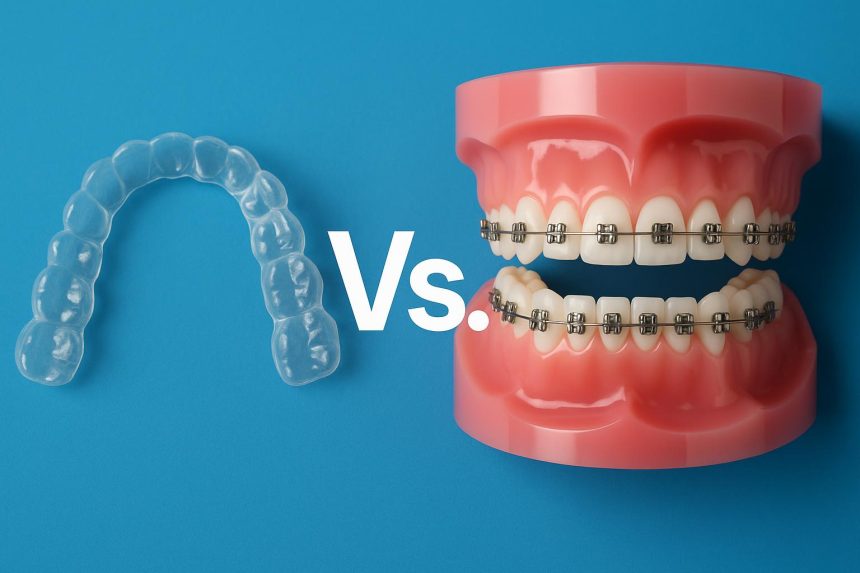
Orthodontic treatment has more options now than ever before, and clear aligners have become a genuine alternative to traditional braces for many patients. St. Louis residents researching teeth straightening often ask which approach delivers better results, but the answer depends entirely on your specific dental needs and lifestyle preferences.
Clear aligners use transparent plastic trays that fit over your teeth, while traditional braces rely on brackets and wires bonded to tooth surfaces. Both methods work by gradually shifting teeth into proper alignment, but they differ significantly in appearance, maintenance requirements, and treatment capabilities. Understanding these differences helps you determine which option makes sense for your situation.
The world of clear aligners in St. Louis has exploded in popularity, offering adults and teens an alternative to the metal brackets and wires that defined orthodontics for generations. But are they right for everyone? Let’s break down what you need to know.
The Aesthetic Difference: Visibility Matters
The most obvious distinction between clear aligners and traditional braces is visibility. Clear aligners are designed to be nearly invisible, using transparent plastic trays that fit snugly over your teeth. For professionals who spend their days in meetings, adults who feel self-conscious about metal braces, or teens who want a more discreet option, this aesthetic advantage can be significant.
Traditional braces, on the other hand, are visible—though modern ceramic options have made them less noticeable than the metal versions of the past. Some patients actually prefer this visibility, seeing their braces as a temporary badge of commitment to their smile goals.
Lifestyle Considerations: Flexibility vs. Fixed
Clear aligners offer removability, which fundamentally changes the patient experience. You can take them out for meals, important presentations, or special occasions. This means no food restrictions—you can still enjoy popcorn at the movies or bite into a crisp apple without worry.
Traditional braces are fixed in place for the duration of treatment, which means avoiding certain foods that could damage brackets or wires. However, this fixed nature also removes the temptation to skip wearing your aligners, which can be a double-edged sword for patients who struggle with compliance.
Comfort and Adjustment Period
Clear aligners typically involve less discomfort than traditional braces. There are no brackets rubbing against your cheeks or wires that need periodic tightening. Most patients experience mild pressure when switching to a new set of aligners, but it’s generally manageable with over-the-counter pain relief if needed.
Traditional braces can cause more initial discomfort, particularly after adjustments. That said, most patients adapt within a few days, and modern braces are significantly more comfortable than they were even a decade ago.
Treatment Scope: What Can Each Option Handle?
This is where the conversation gets more nuanced. Traditional braces can address virtually any orthodontic issue, from simple spacing problems to complex bite corrections. They’ve been the gold standard for comprehensive treatment for good reason—they’re incredibly versatile.
Clear aligners have advanced significantly and can now handle many cases that once required traditional braces. However, extremely complex bite issues or severe crowding might still be better suited for traditional orthodontics. A qualified orthodontist can evaluate whether your specific case falls within the scope of what aligners can effectively treat.
The Maintenance Factor
Clear aligners require discipline. You need to wear them 20-22 hours per day for optimal results, remove them for eating and drinking (except water), and clean them regularly. For some patients, this routine becomes second nature. For others, it’s a commitment that requires conscious effort.
Traditional braces require excellent oral hygiene practices since food can become trapped around brackets. You’ll need to be diligent about brushing and flossing, and you’ll likely invest in tools like floss threaders or water flossers to maintain proper cleaning.
Making the Decision That’s Right for You
Choosing between clear aligners and traditional braces involves weighing your lifestyle priorities, treatment goals, and personal preferences. Some patients prioritize aesthetics and convenience. Others value the comprehensive treatment capability and set-it-and-forget-it nature of traditional braces.
The most important step is consulting with an experienced orthodontic provider who can evaluate your specific case. If you’re exploring clear aligners in St. Louis, numerous qualified professionals can assess your candidacy and explain how different treatment options align with your goals.
Your smile transformation is personal, and the right choice is the one that fits your life, your timeline, and your vision for your future smile. Whether you choose the discreet flexibility of clear aligners or the proven reliability of traditional braces, the end goal remains the same: a confident, healthy smile you’re proud to share.

Lynn Martelli is an editor at Readability. She received her MFA in Creative Writing from Antioch University and has worked as an editor for over 10 years. Lynn has edited a wide variety of books, including fiction, non-fiction, memoirs, and more. In her free time, Lynn enjoys reading, writing, and spending time with her family and friends.