Most homeowners spend months choosing the right paint colors, flooring, and furniture, then give almost no thought to the hardware on their doors. That’s a missed opportunity. Door hardware is one of the few elements in a home that you interact with dozens of times every single day, and when it’s well-designed, it quietly elevates every room it touches. The right hardware isn’t just functional; it’s a finishing detail that ties an entire interior together.
More Than Just a Handle
Door hardware encompasses a much wider range of components than most people realize. Beyond handles and knobs, a complete hardware system includes hinges, locksets, deadbolts, strike plates, closers, and specialty mechanisms for unique door configurations. Each component contributes to how a door feels when you use it, how long it lasts, and how well it complements the overall design of your space.
Choosing the right interior door hardware means thinking about all of these elements together, not just picking a handle that looks good in isolation. Finish consistency, material quality, and mechanical performance all matter when you’re investing in hardware that will see years of daily use.
Matching Hardware to Your Interior Style
One of the most common mistakes in home design is mixing hardware finishes without intention. A cohesive hardware strategy pulls a room together in a way that’s subtle but unmistakable. Here’s how the main finish categories align with popular interior aesthetics:
- Matte black: A bold, contemporary choice that pairs well with minimalist and industrial interiors; works especially well with dark-framed windows and modern cabinetry
- Brushed nickel: A versatile neutral finish that bridges traditional and transitional styles without overpowering other design elements
- Polished brass: A warm, classic option experiencing a strong design resurgence, particularly in maximalist and Art Deco-inspired interiors
- Satin chrome: Clean and understated, ideal for Scandinavian and mid-century modern spaces where simplicity is the guiding principle
- Oil-rubbed bronze: A rich, aged finish that adds depth and character to rustic, farmhouse, and craftsman-style homes
Keeping your hardware finish consistent across a floor or zone of your home creates visual continuity that makes spaces feel curated rather than assembled.
The Case for Barn Door Hardware
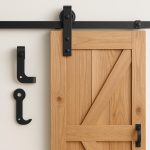
Barn doors have moved well beyond their farmhouse origins. Today they’re one of the most versatile space-saving solutions available for both residential and commercial interiors. A sliding barn door eliminates the floor clearance requirement of a traditional swinging door, making it ideal for tight hallways, bathrooms, home offices, closets, and open-plan spaces where you want flexible room division without permanent walls.
The hardware system behind a barn door is what determines how it looks and performs. A well-engineered barn door hardware kit includes a track rail, rollers or hangers, floor guides, and mounting hardware, all of which need to be matched to the door’s weight and the aesthetic of the surrounding space. Soft-close mechanisms have become a standard feature in quality barn door systems, preventing slamming and reducing wear on both the hardware and the door itself. Whether you’re working with a reclaimed wood slab, a modern flat-panel door, or a frosted glass panel, the right barn door hardware system transforms a purely functional element into a genuine design feature.
Glass Door Hardware: Where Function Meets Transparency
Glass doors bring a sense of openness and light into a home that solid doors simply can’t match. From frameless shower enclosures and office partitions to interior glass panel doors and wine cellar entries, glass applications require hardware that’s engineered specifically for the material. Standard door hardware won’t do the job.
Quality glass door hardware is designed to grip, support, and pivot glass panels without the structural support of a traditional door frame. This includes patch fittings, glass clamps, hinges designed for frameless panels, and pull handles that mount directly to glass surfaces. The engineering demands are higher, but the result is a clean, minimalist look that maximizes light flow and creates the illusion of more space in any room. For open-plan living areas, home offices, and modern bathrooms, glass door hardware systems are among the most impactful upgrades you can make.
Lever Handles vs. Knobs: Which Is Right for Your Space?
It’s worth understanding the functional differences between the two most common interior handle types before making a purchase.
- Lever handles require only a downward push to operate, making them easier to use with full hands and far more accessible for children, elderly residents, or anyone with limited grip strength; they’re the preferred choice for high-traffic areas and accessibility-focused design
- Door knobs require a twisting motion and provide a more classic, compact look; they work well in bedrooms, studies, and lower-traffic rooms where their aesthetic contribution outweighs the ergonomic advantage of levers
- Privacy hardware is fitted with a locking mechanism on the inside and is best suited for bathrooms and bedrooms
- Passage hardware has no locking function and is ideal for closets, hallways, and pantry doors where access rather than privacy is the priority
- Dummy sets are non-functional handles used purely for aesthetic consistency on doors that don’t require latching, such as double doors where only one side opens
Installation and Longevity
Even the most beautifully designed hardware will underperform if it’s poorly installed or made from low-grade materials. Look for hardware that meets recognized quality and safety standards, with certifications that confirm durability ratings and finish longevity. Brass and stainless steel remain the gold standard for interior hardware due to their corrosion resistance, structural integrity, and ability to hold a finish over years of daily use. When in doubt, choose hardware from a brand that stands behind the quality of its products and offers replacement components.
Proper installation means correct alignment of the latch and strike plate, properly set hinge positions, and hardware that’s torqued to the right tension. Hardware that’s slightly misaligned from day one will wear faster and feel noticeably worse over time.
Transform Your Home with Milcasa
Every door in your home is an opportunity to make a design statement while investing in lasting quality. Whether you’re renovating a single room or working through a full-home refresh, Milcasa offers a thoughtfully curated range of door hardware solutions built for style, function, and durability. From sleek modern handles to complete barn door and glass door systems, Milcasa has everything you need to finish your spaces with intention. Explore the full collection at Milcasa and discover how the right hardware transforms the everyday.

Lynn Martelli is an editor at Readability. She received her MFA in Creative Writing from Antioch University and has worked as an editor for over 10 years. Lynn has edited a wide variety of books, including fiction, non-fiction, memoirs, and more. In her free time, Lynn enjoys reading, writing, and spending time with her family and friends.