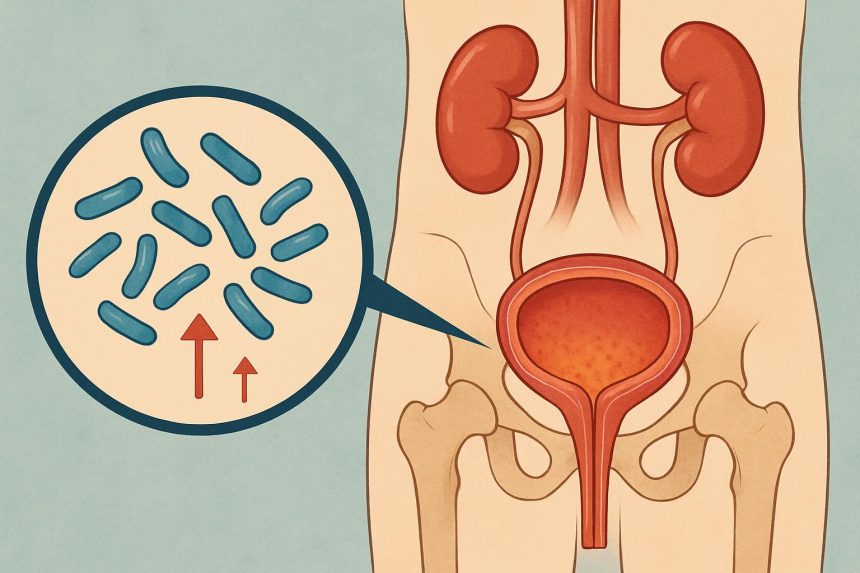
Bladder infections in men can cause discomfort and serious complications if untreated. For diagnosis and treatment, visit Amarillo Hospital for urinary and bladder health care. These infections, also called UTIs, affect the urinary system. Bacteria entering the urinary tract are the main cause. Knowing the symptoms and treatment options helps prevent and manage bladder infections.
What is a Bladder Infection?
A bladder infection is a type of urinary tract infection (UTI) that affects the bladder. It occurs when harmful bacteria enter the urinary tract, leading to inflammation and infection. While more common in women, men can experience bladder infections too, especially as they age or when specific risk factors are involved. If symptoms are severe, search for emergency room near me for urgent medical care.
Bladder Infection Symptoms
Bladder infections in men can cause several discomforting symptoms, and recognizing them early is important for timely treatment. If symptoms become severe, visit Neighbors Emergency Center for urgent medical evaluation and care.
- Painful or burning sensation while urinating: A stinging or burning feeling during urination is a common early sign of bladder infection caused by urinary tract inflammation.
- Frequent urge to urinate with little urine output: Men may feel the need to urinate often, but only small amounts of urine are released due to bladder irritation.
- Blood in the urine (hematuria): Infection may damage urinary tract tissues, leading to visible or microscopic blood in the urine.
- Lower abdominal or pelvic pain: Persistent pressure or aching pain may occur around the bladder and pelvic region.
- Cloudy or foul-smelling urine: Bacterial growth can change urine appearance and produce strong or unusual odor.
- Fever and chills (in severe cases): Advanced infection may spread, causing fever, chills, and general weakness requiring immediate medical care.
Bladder Infection Causes in Men
Bladder infections in men occur when harmful bacteria enter the urinary tract and multiply in the bladder. Several medical and lifestyle factors can contribute to infection development. Knowing the causes helps in taking preventive measures and maintaining urinary health.
Bacterial Infections
Bladder infections are most commonly caused by bacteria entering the urethra. E. coli bacteria from the digestive tract are a frequent source of infection. Poor urinary habits can allow bacteria to grow and cause inflammation.
Prostate Enlargement and Bladder Infection
An enlarged prostate can restrict urine flow, especially in older men. When urine is not fully emptied, bacteria may remain in the bladder. This increases the risk of repeated urinary tract infections.
Sexually Transmitted Infections (STIs)
STIs can introduce harmful microorganisms into the urinary tract during sexual contact. Bacterial infections like gonorrhea or chlamydia may trigger bladder infection symptoms. Safe sexual practices help lower infection risk.
Urinary Tract Obstruction
Urinary obstruction caused by kidney stones or urethral narrowing can trap urine inside the bladder. Stagnant urine allows bacteria to multiply and cause infection. Treating urinary blockages is important for prevention.
Poor Hygiene
Poor genital hygiene can allow bacteria to enter the urinary system. Not cleaning properly after urination or sexual activity increases infection risk. Regular personal cleanliness helps protect urinary health.
Treatment Options
Treatment for bladder infections in men usually involves medications and healthy lifestyle adjustments to help eliminate infection and reduce symptoms. Early treatment improves recovery speed and prevents the infection from spreading. If symptoms are severe, consult Neighbors Emergency Center for professional medical care.
- Antibiotics: Doctors often prescribe antibiotics as the primary treatment to kill bacteria causing the infection. Completing the full antibiotic course is important even if symptoms improve early.
- Pain relievers: Over-the-counter medications such as ibuprofen may help reduce burning sensation, pelvic pain, and inflammation. These should be used according to doctor or label instructions.
- Increased fluid intake: Drinking plenty of water helps flush bacteria from the urinary tract and supports faster healing. Staying hydrated is one of the simplest preventive and treatment methods.
- Home remedies and supplements: Some men use cranberry products or probiotics to support urinary health. However, these should not replace medical treatment and should be used only after consulting a healthcare provider.
When to Go to the ER
Seek medical help if bladder infection symptoms worsen or do not improve. Visit Neighbors Emergency Center for urgent treatment if needed.
- Symptoms last more than 2–3 days: Burning or frequent urination that persists needs medical evaluation.
- Severe pain, fever, or chills: High fever or intense pelvic pain may signal a spreading infection.
- Blood in the urine: Bloody or dark urine requires immediate medical diagnosis.
- Recurring infections: Frequent bladder infections may indicate underlying health problems.

Lynn Martelli is an editor at Readability. She received her MFA in Creative Writing from Antioch University and has worked as an editor for over 10 years. Lynn has edited a wide variety of books, including fiction, non-fiction, memoirs, and more. In her free time, Lynn enjoys reading, writing, and spending time with her family and friends.