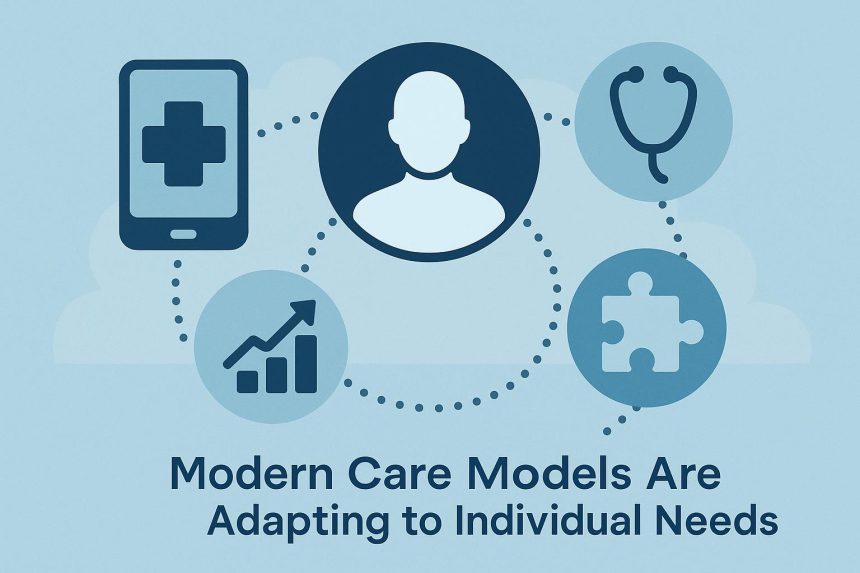
In recent years, the landscape of healthcare and social support has shifted dramatically. Traditional one-size-fits-all approaches are giving way to more personalized, flexible systems designed to honor each individual’s unique circumstances and preferences. This evolution is driven by a deeper understanding of the diverse needs people have and a recognition that truly effective support must be tailored, responsive, and empowering.
The Rise of Person-Centered Care
At the heart of modern care models is person-centered care. Rather than defining care around diagnoses or institutional procedures, this approach places the person front and center, valuing their goals, preferences, lifestyle, and lived experience. Healthcare providers now collaborate with individuals to co-design their care plans, ensuring that interventions align with what matters most to them. This shift fosters greater engagement, satisfaction, and outcomes that are meaningful to the person receiving support.
Embracing Flexibility and Choice
Flexibility is a cornerstone of contemporary care. One of the clearest expressions of this principle can be seen in services that let individuals choose how, when, and from whom they receive support. For example, an NDIS care provider might offer varied options for daily living assistance, community participation, and skill development that are selected based on each participant’s priorities. This level of choice not only honors autonomy but also encourages people to take an active role in shaping their care journey.
Such flexibility also extends to service delivery methods. While traditional models might require in-person visits at set times, modern care services increasingly blend in-home support with virtual check-ins, digital tools, and community-based activities. This hybrid model respects personal schedules and reduces barriers related to transportation, mobility, or geographic location.
Advances in Technology
Technology plays a vital role in adapting care to individual needs. Wearable health monitors, telehealth platforms, and mobile apps allow for real-time tracking, remote consultations, and personalized feedback. These tools not only enhance convenience but also enable providers to respond quickly to changes in health status. For individuals with chronic conditions or complex needs, this continuous connection can be transformative—supporting early intervention, reducing hospitalizations, and promoting better self-management.
Artificial intelligence and data analytics are also contributing to personalization. By analyzing patterns in health data, providers can identify trends and tailor interventions more precisely. This doesn’t replace human judgment but enhances it, giving care teams deeper insights into what strategies are most effective for a given individual.
Collaborative Team-Based Care
Another hallmark of adaptive care models is the emphasis on interdisciplinary collaboration. Instead of working in silos, professionals from different fields—medical, psychological, social work, and rehabilitation—come together to form cohesive support networks. This team-based approach ensures that all aspects of a person’s wellbeing are considered and addressed holistically.
Individuals and their families are included in these teams, too. Their insights and lived experience are invaluable for creating care plans that are realistic, respectful, and relevant. When families are active partners in care, there’s greater continuity, stronger support systems at home, and a shared sense of purpose.
Continuous Improvement and Feedback
Modern care models also prioritize feedback loops. Regular check-ins, satisfaction surveys, and open communication channels allow individuals to express what’s working, what’s not, and what could be improved. This iterative process ensures that care remains aligned with evolving needs rather than becoming static or outdated.
Looking Forward
As care systems continue to evolve, the emphasis on individualization will only grow stronger. With advances in technology, greater recognition of personal agency, and a collaborative approach to support, modern care models are becoming more responsive than ever. The result is a system that sees the whole person—not just a set of symptoms or diagnoses—and honors their right to live a full, self-directed life.

Lynn Martelli is an editor at Readability. She received her MFA in Creative Writing from Antioch University and has worked as an editor for over 10 years. Lynn has edited a wide variety of books, including fiction, non-fiction, memoirs, and more. In her free time, Lynn enjoys reading, writing, and spending time with her family and friends.