Key Takeaways
- Innovative sustainable real estate projects are transforming communities across the United States.
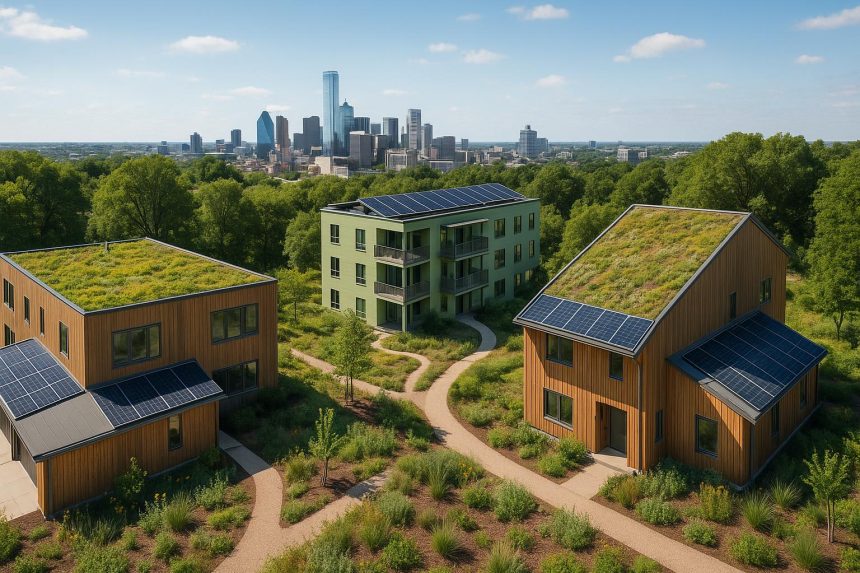
- These developments prioritize environmental responsibility, energy efficiency, and community well-being.
- Examples include affordable housing initiatives, master-planned communities, and solar-powered neighborhoods.
Table of Contents
- Affordable Housing Initiatives
- Master-Planned Communities
- Solar-Powered Neighborhoods
- Green Building Certifications
- Financing Sustainable Developments
- Challenges and Opportunities
- Future Outlook
- Conclusion
As concern for the environment and resource conservation grows, innovative real estate developments across the United States are leading a significant shift toward sustainability. These projects not only minimize environmental impact but also enhance residents’ quality of life by incorporating green technologies, efficient designs, and forward-thinking community planning. Many of these initiatives are supported by programs like EB-5 regional center projects, which leverage foreign investment to bring sustainable visions to life in communities nationwide.
Sustainable real estate developments, through nonprofits, public-private partnerships, or innovative financing, address urban issues like housing affordability, sprawl, and environmental harm. They combine social responsibility, technology, and resilient planning, serving as a blueprint for American real estate’s future. Green projects also boost economic growth by creating jobs, attracting eco-conscious residents and businesses, and supporting local economies. The demand for sustainable spaces highlights the importance of eco-friendly construction and design. These projects offer practical solutions to urban challenges and set higher standards for harmonious living and working with nature.
Affordable Housing Initiatives
The drive for affordable, sustainable living is ever more urgent as cities across the nation grapple with rising housing costs. Organizations like Habitat for Humanity are taking innovative steps to address this need with projects that combine affordability with environmentally conscious construction. In Atlanta’s Sylvan Hills neighborhood, Habitat is building 24 affordable housing units, both single-family homes and townhomes, using sustainable building materials and practices. These efforts not only make homeownership accessible but also ensure residents benefit from lower utility costs and healthier living spaces over time.
Master-Planned Communities
Forward-thinking developers are designing entire master-planned communities around sustainability principles. The River District in Charlotte, North Carolina, stands out as a prime example. Spanning 1,400 acres, this development has achieved the One Planet Living Leader designation, the first in the Southeast to do so. Planners have prioritized the interconnectedness between health, economy, climate, and natural resources, weaving green spaces, walking trails, and community gardens throughout the site. This holistic approach fosters healthier, more engaged communities while preserving ecological balance.
Solar-Powered Neighborhoods
Harnessing renewable energy is a cornerstone of modern sustainable real estate. One landmark example is The Flatwoods at Babcock Ranch in Florida, recognized as the country’s first town powered entirely by solar energy. Homes are designed with rooftop solar panels, smart energy management systems, and energy-efficient appliances. Residents of Babcock Ranch not only enjoy lower monthly power bills but also benefit from living in a community with a significantly smaller carbon footprint. Local parks, lakes, and preserved wetlands further reinforce the town’s sustainability ethos.
Green Building Certifications
Earning recognition through established green building certification programs helps communities validate and showcase their sustainability achievements. The Philadelphia Navy Yard is the nation’s largest neighborhood to receive LEED certification for neighborhood development. This milestone reflects the project’s commitment to clean energy, green infrastructure, walkability, and improvements in air quality, setting a strong precedent for other urban redevelopment efforts. Certified buildings not only attract eco-conscious tenants but also foster an environment of wellness and innovation.
Financing Sustainable Developments
Unlocking the funding needed for sustainable real estate requires innovative financial tools. In Philadelphia, Nuveen Green Capital and Brandywine Realty Trust came together to close an $87.3 million C-PACE financing deal for a new development at 3151 Market Street. This is the largest C-PACE (Commercial Property Assessed Clean Energy) financing secured in Pennsylvania, and the deal illustrates the growing willingness of investors and lenders to back green projects. Financing models such as C-PACE, green bonds, and tax incentives enable more developers to integrate sustainable technologies and practices into new builds and renovations.
Challenges and Opportunities
While the case for sustainable real estate grows stronger, challenges remain. Developers often face higher upfront construction costs and navigate complex local permitting and compliance frameworks. Despite these hurdles, the long-term benefits, substantial energy savings, improved public health outcomes, and resilient infrastructure offer immense opportunities. Communities committed to sustainability are positioned to attract future investment, lower operating costs, and foster more inclusive and vibrant neighborhoods.
Future Outlook
The move toward sustainable real estate is expected to accelerate in the coming years. As advances in renewable energy, smart home technology, and efficient design emerge, more communities are likely to embrace green building practices. Government incentives, updated building codes, and heightened consumer awareness will further drive change. The continued spread of sustainability in real estate promises to shape communities that are both environmentally and economically resilient, paving the way for a healthier urban landscape for generations to come.
Conclusion
Sustainable real estate is reshaping U.S. communities through energy-efficient design, green building practices, and innovative financing. Despite challenges like higher upfront costs, these developments offer long-term environmental and economic benefits. As demand grows, they continue to promote healthier, more resilient, and environmentally responsible living environments for future generations.

Lynn Martelli is an editor at Readability. She received her MFA in Creative Writing from Antioch University and has worked as an editor for over 10 years. Lynn has edited a wide variety of books, including fiction, non-fiction, memoirs, and more. In her free time, Lynn enjoys reading, writing, and spending time with her family and friends.