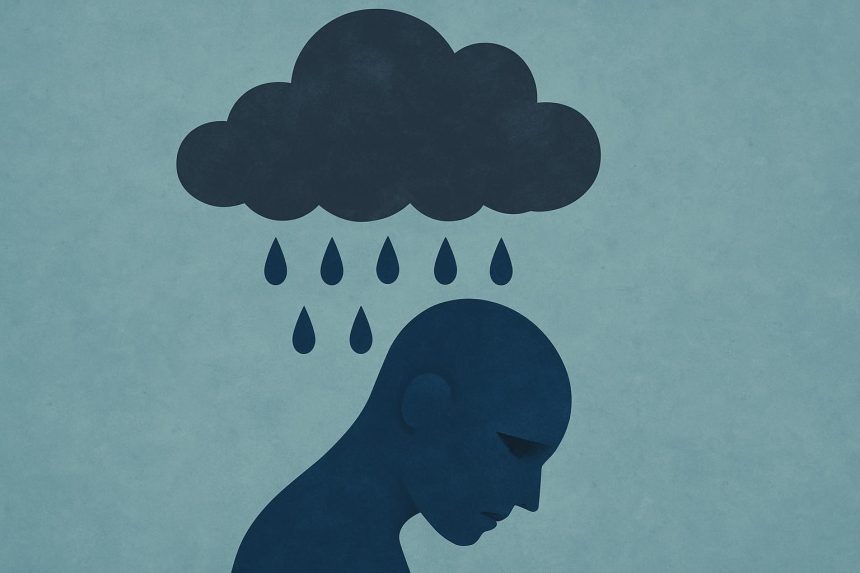
Depression is more than feeling sad after a difficult day or going through a temporary low phase. It is a common mental health condition that affects how a person thinks, feels, and functions in everyday life. Left unaddressed, it can interfere with relationships, work, education, and overall quality of life. The good news is that recognising depression signs and symptoms early can lead to timely support and better recovery outcomes.
Building depression awareness starts with understanding that depression can affect anyone, regardless of age, gender, or background. Early recognition not only makes treatment more effective but also helps reduce the stigma that often prevents people from seeking help.
Understanding Depression
Mental health depression is a medical condition characterised by persistent feelings of sadness, emptiness, or a loss of interest in activities that were once enjoyable. Unlike temporary emotional distress, depression typically lasts for at least two weeks and significantly impacts daily functioning. It develops due to a combination of biological, psychological, and social factors rather than a single cause.
Depression does not always look the same in everyone. Some people experience overwhelming sadness, while others may become irritable, withdrawn, or emotionally numb. This is why recognising changes in behaviour, thoughts, and physical health is essential.
Common Depression Signs and Symptoms
Recognising depression signs and symptoms early can make a meaningful difference. Some of the most common signs include:
- Persistent sadness, emptiness, or hopelessness
- Losing interest in hobbies, work, or social activities
- Constant fatigue or lack of energy, even after adequate rest
- Changes in appetite or noticeable weight gain or loss
- Sleeping too much or struggling with insomnia
- Difficulty concentrating, making decisions, or remembering things
- Feelings of guilt, worthlessness, or excessive self-criticism
- Withdrawing from family, friends, or everyday responsibilities
- Unexplained physical symptoms such as headaches or body aches
- Thoughts of self-harm, suicide, or feeling that life is not worth living
Not everyone will experience every symptom, and the intensity can vary from person to person. If several of these symptoms persist for two weeks or more and begin affecting daily life, it is important to seek professional support.
Why Early Recognition Matters
Many people dismiss the early signs of depression as stress, burnout, or simply “having a bad week.” While everyday stress is common, persistent emotional and behavioural changes deserve attention.
Early identification allows individuals to access support before symptoms become more severe. It can improve treatment outcomes, reduce the risk of complications, and help people regain their sense of wellbeing sooner. Increasing depression awareness also encourages open conversations, making it easier for people to ask for help without fear of judgement.
Friends, family members, colleagues, and managers also play an important role. Sometimes, those around us notice changes before we do. A compassionate conversation can be the first step towards support.
Support Options for Depression
Depression is treatable, and recovery is possible. While each person’s experience is different, seeking support early can make it easier to cope with symptoms and begin the journey towards recovery. There is no one-size-fits-all approach, but a combination of professional care, social support, and healthy routines can help.
- Support from trusted people: Reaching out to a trusted friend, family member, colleague, or caregiver can be an important first step. While loved ones cannot treat depression, they can offer emotional support, reduce feelings of isolation, and encourage someone to seek professional help. Sometimes, simply having someone listen without judgement can make a meaningful difference.
- Professional support: Speaking with a psychologist, psychiatrist, or counsellor can help individuals better understand their experiences and develop strategies to manage them. Evidence-based therapies, such as Cognitive Behavioural Therapy (CBT), are effective for many people living with depression.
- Medication: For some individuals, particularly those experiencing moderate to severe depression, a psychiatrist may recommend antidepressant medication. Medication is most effective when taken under medical supervision and, where appropriate, alongside psychological therapy.
- Healthy coping strategies: While lifestyle changes alone may not treat depression, they can support overall wellbeing. Maintaining a regular sleep routine, eating balanced meals, engaging in physical activity, practising mindfulness, and staying connected with supportive people can complement professional treatment and help individuals cope with symptoms.
Remember, there is no fixed timeline for recovery. Healing looks different for everyone, and seeking support is not a sign of weakness – it is an important step towards healing from depression.
Healing Takes Time
There is no single timeline for healing from depression. Some people respond quickly to treatment, while others may require different approaches before finding what works best. Recovery is rarely linear, and experiencing setbacks does not mean treatment has failed.
The important thing is to continue reaching out for support, follow treatment recommendations, and be patient with yourself. Every small step, whether attending a therapy session, taking medication as prescribed, or simply getting out of bed on a difficult day, is meaningful progress.
Remember that healing from depression is not about returning to who you were before; it is about building the tools and support needed to move forward with greater resilience.
When to Seek Immediate Help
If you or someone you know is experiencing thoughts of self-harm or suicide, seek immediate support from a trusted person, a mental health professional, or emergency services. You do not have to face these thoughts alone, and help is available.
Conclusion
Recognising depression signs and symptoms early can change the course of someone’s recovery. Depression is a treatable condition, not a personal weakness or failure. By improving our understanding of mental health depression, encouraging open conversations, and connecting people with the right support, we can create communities where seeking help is viewed as a sign of strength rather than stigma.
The first step towards recovery often begins with recognising that something doesn’t feel right – and knowing that support is available.

Lynn Martelli is an editor at Readability. She received her MFA in Creative Writing from Antioch University and has worked as an editor for over 10 years. Lynn has edited a wide variety of books, including fiction, non-fiction, memoirs, and more. In her free time, Lynn enjoys reading, writing, and spending time with her family and friends.