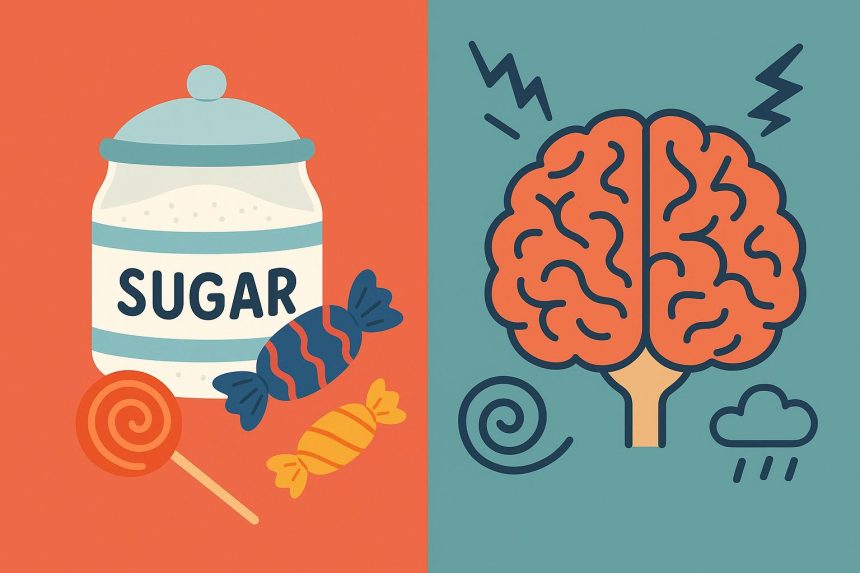
Managing ADHD is rarely just about finding the right medication and calling it a day. For a lot of people, symptoms still fluctuate even with treatment, and one of the most consistently overlooked reasons for that is what their diet is doing to their blood sugar throughout the day.
The brain is powered by glucose, and when glucose levels swing up and down sharply, the effects on attention, mood, impulse control, and mental clarity are real and measurable. For people with ADHD, those effects tend to hit harder.
Understanding the connection between ADHD and sugar isn’t about cutting out treats or following a rigid diet, but about understanding what’s driving some of your worst symptom days and having a practical way to do something about it.
What Happens in the Brain During a Blood Sugar Swing
Every time you eat a high-sugar or highly processed meal, your blood glucose rises quickly. Your body responds by releasing insulin to bring it back down, and in many cases, glucose drops sharply after that spike. That drop is the problem.
The brain depends on a steady supply of glucose to function well. When brain glucose levels are not adequately regulated, it disrupts the neural pathways responsible for executive function, leading to difficulties in maintaining attention and self-regulation. The part of the brain most affected by these drops is the prefrontal cortex, which handles attention, planning, impulse control, and decision-making. These happen to be exactly the areas where ADHD already creates challenges.
Research on healthy adults has demonstrated that blood glucose levels directly influence memory and attention performance, with drops producing measurable cognitive impairment even before a clinical low blood sugar level is reached.
For people with ADHD, the threshold for feeling this impact may be lower than average. Emerging evidence suggests that the ADHD brain may react more strongly to rapid changes in blood glucose, with research indicating that glucose instability can heighten attention difficulties and emotional symptoms more than in people without ADHD.
There’s also a dopamine piece to this. Stable blood sugar supports more consistent dopamine signaling, which is exactly what ADHD medication is trying to achieve through pharmacological means. When blood sugar crashes, dopamine signaling becomes more erratic, and the symptoms that treatment is working to smooth out can come roaring back.
This isn’t a niche theory. A 2025 review published in Endocrines documented the bidirectional relationship between ADHD and metabolic function, finding that ADHD increases the risk for metabolic problems, and metabolic problems worsen ADHD symptoms. The relationship runs both ways, which makes understanding it genuinely useful for anyone trying to manage how they feel day to day.
When Blood Sugar Looks Like ADHD – The Overlapping Symptoms
This is where things get really worth paying attention to, because the symptoms that show up during a blood sugar crash and the symptoms of ADHD are often nearly identical. If you’ve ever wondered whether your focus problems are ADHD, diet-related, or both, this list is probably going to feel familiar.
Inattention and Brain Fog
When glucose drops, mental sharpness drops with it. Thoughts feel harder to hold onto, reading the same sentence three times without it landing is suddenly very normal, and pulling together enough focus to start or finish a task can feel genuinely impossible. In someone who already has attention challenges, this compounds quickly.
Irritability and Emotional Swings
A drop in blood sugar triggers the release of stress hormones like cortisol, which can cause irritability, frustration, and difficulty regulating emotions. For people with ADHD who are already more prone to emotional intensity, this hormonal response can push things from manageable to explosive very quickly. The frustration that seems to arrive out of nowhere at 4 pm often has a metabolic explanation.
Impulsivity
Research published in Nutrients found that blood sugar fluctuations increase irritability, inattention, and fatigue in people with ADHD, while a 2023 study found that drops after high-sugar meals can worsen executive function and mood stability. Poor impulse control is closely tied to executive function, and when blood sugar drops, executive function takes a hit.
Fatigue and Low Motivation
The afternoon slump, the post-lunch fog, the sudden inability to care about anything you were supposed to be doing are often blood sugar crashes in disguise. ADHD and sugar instability can look identical in these moments.
The important thing to understand is that for many people with ADHD, these two things are happening at the same time. It’s not either or. Identifying when dietary patterns are making symptoms worse gives you an actionable lever that isn’t about changing your diagnosis or your medication.
Dietary Patterns That Make ADHD Symptoms Worse
You might also be asking, “Does sugar make ADHD worse?” Research suggests the answer is yes, especially when it comes to consistent patterns rather than occasional indulgences.
High-Sugar Foods and Drinks
Increased consumption of sugar is associated with decreased activity in the areas of the brain associated with dopamine, including regions involved in executive function and attention. Sugary drinks are particularly relevant here because they spike blood glucose faster than almost any food. A large sweet coffee drink in the morning, followed by nothing until lunch, is a setup for a significant crash right in the middle of the day.
Skipping Meals
This is one of the most common patterns in people with ADHD, partly because hyperfocus makes it easy to forget to eat, and partly because appetite suppression is a side effect of some ADHD medications. Going long stretches without eating causes blood glucose to drop steadily, and by the time hunger becomes obvious, the cognitive and emotional effects are already in full swing. Adult blood sugar and ADHD research consistently points to meal timing as one of the most practical intervention points.
Ultra-Processed Foods
Packaged snacks, fast food, breakfast cereals, and most things that come in a crinkly bag are designed to be fast-digesting and highly palatable. They spike blood sugar quickly and provide very little to slow that spike down. Over time, a diet heavy in these foods creates a pattern of constant peaks and crashes that makes regulating mood, attention, and energy genuinely harder.
Caffeine on an Empty Stomach
This is worth naming specifically because it’s so common among people with ADHD. Caffeine on an empty stomach raises cortisol, which in turn affects blood sugar regulation. Starting the day with coffee and nothing else sets up a rocky metabolic morning even before anything stressful has happened.
None of this is about being perfect or eliminating things you enjoy. It’s about recognizing patterns that are quietly making hard days harder.
Practical Strategies to Stabilize Blood Sugar and Support ADHD Focus
The goal here is simple, keep blood sugar steadier so the crashes happen less often and hit less hard when they do. You don’t need a complicated diet plan for this. You need a few consistent habits.
Eat Protein at Every Meal
Protein slows digestion, which slows the rate at which glucose enters the bloodstream. This softens the spike and reduces the likelihood of a sharp drop afterward. Eggs, Greek yogurt, chicken, fish, lentils, nuts, and cheese are all easy options. If you’re not a big breakfast person, even a small amount of protein in the morning makes a difference.
Add Fiber Wherever You Can
Fiber works similarly to protein in terms of slowing digestion and moderating blood sugar. Vegetables, legumes, whole-grains, and fruit all provide fiber. Swapping white rice or white bread for whole-grain versions is one of the lowest-effort upgrades available.
Don’t Let More Than Four or Five Hours Pass Without Eating
For people with ADHD who tend to forget meals, keeping food visible and accessible is more effective than trying to remember to eat. A handful of nuts and some fruit at your desk is enough to keep blood glucose from crashing.
Reduce Sugary Drinks
This is one of the highest-impact changes available. Sugary drinks hit the bloodstream faster than almost anything else and provide no protein, fiber, or fat to soften the spike. Water, sparkling water, or unsweetened drinks are the easy swap.
Pair Carbohydrates With Protein or Fat
Rather than cutting carbs, which can feel restrictive and unsustainable, the goal is to make sure they’re not traveling alone. An apple with almond butter. Crackers with cheese. A banana with a handful of walnuts. These combinations are genuinely useful for the ADHD diet and take almost no effort to implement.
If you’re not sure where to start or how these changes apply to your specific situation, nutrition coaching for weight loss and metabolic health is one way to get personalized guidance that takes both your goals and your ADHD into account.
Conclusion
The relationship between ADHD and nutrition is real and worth taking seriously. With Blood sugar swings, focus and mood are affected in ways that overlap almost perfectly with ADHD symptoms. For people already navigating attention and regulation challenges, that overlap can make every day significantly harder than it needs to be.
If you’ve been wondering whether your symptoms are ADHD, diet-related, or both, getting a clearer picture is the most useful next step. Taking an ADHD test is a practical starting point for understanding whether ADHD might be part of your picture.
From there, working with a nutrition professional who understands how blood sugar affects the brain can help you build an eating approach that supports your focus and energy in a way that complements whatever else you’re already doing. Diet doesn’t fix ADHD. But for a lot of people, it makes the difference between a manageable day and a derailed one.

Lynn Martelli is an editor at Readability. She received her MFA in Creative Writing from Antioch University and has worked as an editor for over 10 years. Lynn has edited a wide variety of books, including fiction, non-fiction, memoirs, and more. In her free time, Lynn enjoys reading, writing, and spending time with her family and friends.