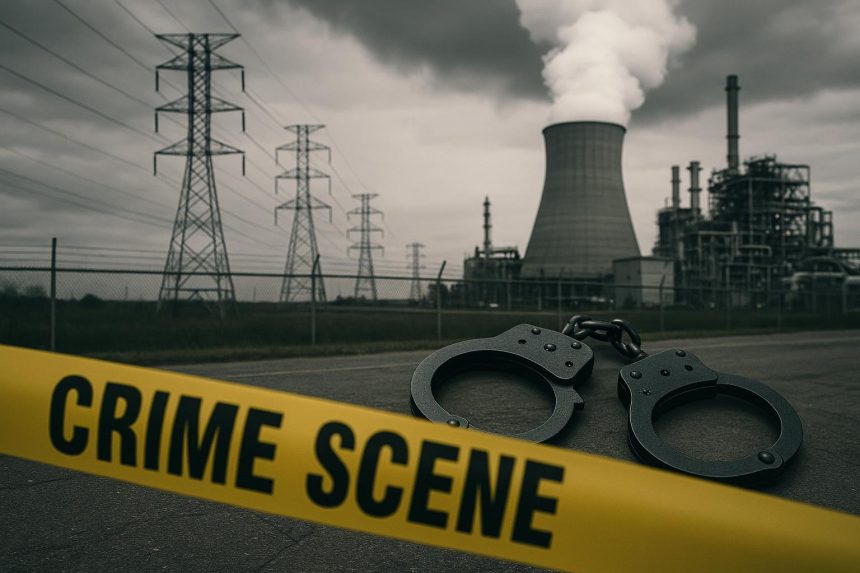
Organizations responsible for critical infrastructure invest heavily in cybersecurity, disaster recovery, and operational resilience. They understand that cyberattacks, ransomware, and system failures can interrupt essential services, damage public trust, and result in significant financial losses.
What many organizations underestimate, however, is the legal fallout that can follow a major incident. A serious cybersecurity event may expose executives, contractors, and organizations to investigations that extend far beyond technical failures. In some cases, those investigations can ultimately lead to facing federal criminal charges, particularly when authorities believe there were intentional misrepresentations, regulatory violations, or failures to comply with federal requirements.
While restoring systems often becomes the immediate priority after a breach, organizations should also recognize that government agencies may begin evaluating decisions made months or even years before the incident occurred. The legal response often focuses less on the attack itself and more on whether leadership fulfilled its responsibilities to protect critical systems and accurately represent their security posture.
Critical Infrastructure Is More Than a Cybersecurity Concern
Critical infrastructure forms the backbone of modern society. Power grids, transportation systems, financial institutions, telecommunications providers, water treatment facilities, healthcare networks, and defense contractors all provide services that affect national security and public safety.
Because of their importance, these sectors receive heightened attention from federal agencies whenever significant disruptions occur.
An incident involving critical infrastructure rarely remains a simple technical problem. Federal authorities frequently evaluate whether organizations complied with industry regulations, maintained accurate documentation, disclosed known risks, and followed appropriate cybersecurity standards before the incident occurred.
The investigation often shifts from technical questions about how attackers gained access or what vulnerabilities existed to harder legal questions about whether leadership ignored repeated security warnings, whether compliance certifications were accurate, whether regulators were provided truthful information, whether contractual cybersecurity obligations were satisfied, and whether anyone intentionally concealed known risks.
The answers to those questions frequently determine whether an organization experiences regulatory oversight alone or becomes the subject of a criminal investigation.
Why Federal Investigations Often Begin Quietly
Unlike television dramas where arrests happen immediately after an incident, federal criminal investigations usually develop over an extended period.
Investigators commonly spend months or even years collecting evidence before individuals become aware they are under scrutiny. That evidence may include internal emails, security audit reports, risk assessments, compliance certifications, vendor communications, financial records, procurement documentation, system access logs, and employee interviews.
Federal investigators carefully compare public statements, regulatory filings, contractual obligations, and internal communications to determine whether inconsistencies exist.
A routine compliance review can quickly evolve into a much broader investigation if evidence suggests inaccurate reporting or deliberate concealment of security issues.
By the time prosecutors announce criminal charges, they often possess an extensive body of documentation supported by technical experts, forensic analysts, and financial investigators.
Cybersecurity Incidents Often Reveal Governance Problems
Many organizations assume cybercriminals represent the greatest legal threat after a breach.
In reality, investigators frequently focus on organizational decision-making rather than the technical attack itself.
Questions commonly include whether known vulnerabilities were ignored, whether leadership postponed critical security upgrades, whether required security assessments were completed, whether vendor risks were properly evaluated, and whether executives accurately reported cybersecurity capabilities.
These governance issues often become central to the government's investigation because they reflect organizational intent, oversight, and compliance.
Strong documentation demonstrating responsible decision-making can significantly influence how investigators evaluate an organization's conduct.
Compliance Is Closely Examined
Federal agencies expect organizations operating critical infrastructure to maintain comprehensive cybersecurity programs.
Many organizations structure those programs around the Cybersecurity and Infrastructure Security Agency framework, which provides guidance for identifying, protecting, detecting, responding to, and recovering from cybersecurity threats.
Simply adopting security policies is rarely enough.
Investigators frequently examine whether organizations actually implemented those policies through employee training, security monitoring, patch management, incident response planning, vendor oversight, continuous risk assessments, access controls, and documentation of corrective actions.
Organizations that cannot demonstrate consistent implementation may encounter increased legal scrutiny following a major incident.
White Collar Risks Hidden Within Infrastructure Operations
Infrastructure investigations frequently involve allegations that extend well beyond cybersecurity.
Many federal prosecutions involve traditional white collar offenses connected to infrastructure operations. Government contract fraud can arise when organizations working with federal agencies misrepresent their cybersecurity capabilities or contractual compliance. Procurement violations may involve unauthorized hardware, substituted products, or undisclosed sourcing risks. Export control violations can occur when sensitive technologies or restricted technical information are transferred without authorization. False statements to regulators, investigators, or government agencies can create criminal exposure even when the underlying cybersecurity incident was unintentional.
In many cases, investigators focus more heavily on misleading communications than on the original security failure itself.
Documentation Can Become Your Strongest Defense
When federal investigators begin reviewing an incident, documentation often becomes one of the organization's most valuable assets.
Comprehensive records may demonstrate that leadership acted responsibly, addressed known risks, and made informed decisions based on available information.
Important documentation often includes:
- Security assessments
- Internal audit findings
- Vendor evaluations
- Risk management decisions
- Patch deployment records
- Employee cybersecurity training
- Incident response exercises
- Compliance reviews
- Board meeting discussions
- Corrective action plans
Without these records, organizations may struggle to demonstrate that reasonable steps were taken before the incident occurred.
Preparing Before Investigators Arrive
The strongest legal position is established long before any cybersecurity incident occurs.
Organizations that successfully navigate government scrutiny generally invest in both cybersecurity preparedness and legal readiness. Effective preparation includes establishing clear reporting procedures, conducting regular compliance reviews, preserving evidence, coordinating legal and technical teams, and training leadership so executives understand how regulatory requirements intersect with operational decision-making.
This coordination helps preserve legal protections while ensuring regulatory obligations are satisfied.
Government Responses Continue Long After Recovery
Many organizations celebrate once operations have been restored after a cyber incident.
However, recovery often represents only the beginning of government review.
Federal agencies may continue examining compliance histories, previous audit findings, vendor relationships, procurement practices, executive communications, internal decision-making, contract performance, and security investment decisions.
Investigators seek to understand not only what happened during the incident but also whether organizational choices increased the likelihood of the breach occurring.
Understanding Potential Criminal Penalties
If prosecutors ultimately pursue criminal charges, sentencing becomes another complex stage of the legal process.
Federal courts commonly evaluate penalties using the United States Sentencing Commission guidelines, which consider numerous factors beyond the offense itself. Those factors may include the nature of the alleged conduct, financial losses, national security implications, organizational role, prior compliance history, cooperation during investigations, acceptance of responsibility, and any aggravating or mitigating circumstances.
Organizations that maintained comprehensive compliance records and demonstrated responsible governance may be in a stronger position when presenting their defense.
Building a Culture of Accountability
Technology alone cannot eliminate legal risk.
Organizations protecting critical infrastructure should foster cultures where cybersecurity, compliance, governance, and documentation receive equal attention.
That includes encouraging employees to report concerns, documenting corrective actions, regularly reviewing internal controls, and ensuring leadership understands evolving regulatory expectations.
When organizations consistently demonstrate transparency and responsible oversight, they are generally better prepared to respond to both cyber threats and government investigations.
Final Thoughts
Critical infrastructure incidents rarely end when systems are restored. Today's regulatory environment places significant emphasis on organizational accountability, making cybersecurity only one component of a much broader risk landscape.
Federal investigators increasingly examine how organizations managed known risks, documented compliance efforts, supervised vendors, fulfilled contractual obligations, and communicated with regulators before an incident occurred.
Organizations that prioritize strong governance, accurate documentation, ongoing compliance, and coordinated legal preparedness are often in a better position to withstand both operational disruptions and subsequent government scrutiny.
Preparing for cybersecurity incidents means preparing for the legal questions that may follow. By treating compliance, governance, and documentation as essential components of infrastructure security, organizations can strengthen both their operational resilience and their ability to respond effectively if federal investigators come calling.

Lynn Martelli is an editor at Readability. She received her MFA in Creative Writing from Antioch University and has worked as an editor for over 10 years. Lynn has edited a wide variety of books, including fiction, non-fiction, memoirs, and more. In her free time, Lynn enjoys reading, writing, and spending time with her family and friends.