In Southern California’s cutthroat business environment, you can’t afford network vulnerabilities. Skilled low voltage contractors transform your infrastructure from a potential liability into a strategic asset. They’ll optimize your connectivity, prevent costly downtime, and future-proof your technological backbone. With network disruptions potentially costing thousands per hour, professional structured cabling isn’t an expense—it’s a critical investment. Want to access your business’s true digital potential?
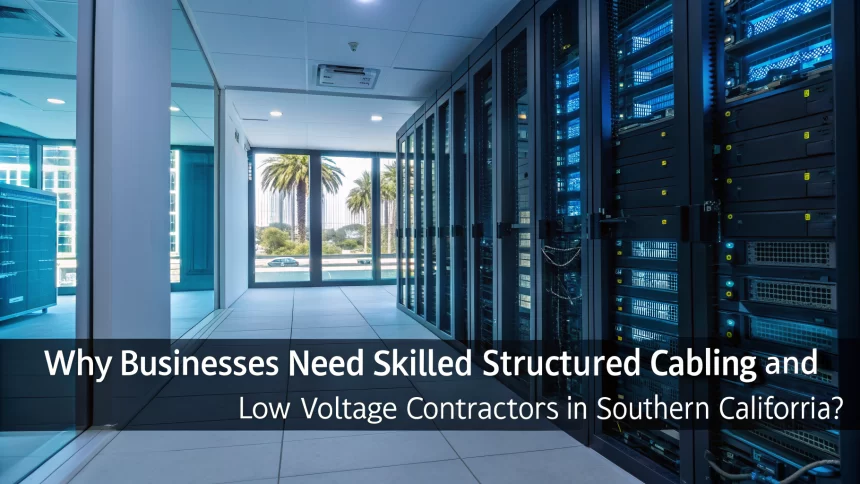
Why Businesses Need Skilled Structured Cabling and Low Voltage Contractors in Southern California
In today’s hyper-connected business landscape, skilled structured cabling and low voltage contractors have become essential for Southern California companies seeking reliable network infrastructure. You can’t afford downtime or inefficient communication systems in a competitive market. Professional contractors guarantee your technology backbone is robust, scalable, and optimized for performance, which is why many businesses turn to trusted providers like Alphacomm, Inc. for dependable results.
When you hire expert low voltage specialists, you’re investing in precise network design, seamless connectivity, and future-proof solutions. They’ll handle complex installations, manage intricate wiring configurations, and implement cutting-edge technologies that support your business operations.
From data centers to office networks, these professionals understand Southern California’s unique technological demands and can deliver customized infrastructure that meets your specific requirements.
The Real Cost of Network Downtime for Local Enterprises
While network downtime might seem like a minor technical issue, it can devastate Southern California businesses with staggering financial consequences. Each hour of system interruption can cost your enterprise thousands of dollars in lost productivity, missed opportunities, and potential revenue drain.
When your network fails, your employees can’t access critical systems, communication breaks down, and customer service suffers. Small businesses might lose up to $5,000 per hour, while larger enterprises could see losses exceeding $50,000 hourly. These costs accumulate quickly, impacting your bottom line and potentially damaging your reputation.
Investing in skilled structured cabling and low voltage contractors isn’t an expense—it’s a strategic protection against these potentially catastrophic network interruptions. Proactive infrastructure management can save you significant money in the long run.
5 Signs Your Current Network Infrastructure Is Holding You Back
Are you experiencing persistent network slowdowns that frustrate your team and hinder productivity? Your current infrastructure might be plagued by outdated connectivity limitations and rising inefficiencies that prevent your business from operating at peak performance.
Recognizing these signs early can help you proactively address network bottlenecks before they escalate into more significant operational challenges.
Slow Network Performance
Network bottlenecks can silently sabotage your business productivity, transforming what should be lightning-fast digital operations into frustrating crawls. When your network performance slows down, you’re likely experiencing critical infrastructure limitations that demand immediate attention.
You’ll recognize slow network performance through these key indicators:
- Consistent delays when accessing cloud applications
- Extended file transfer times
- Frequent buffering during video conferences
- Inconsistent internet connection speeds
These symptoms aren’t just minor inconveniences—they’re serious productivity killers that can cost your business time, money, and competitive advantage. Your current network infrastructure might be outdated, unable to handle increasing bandwidth demands or suffering from poor cable management and inefficient design. Addressing these performance issues requires a strategic approach and potentially upgrading your structured cabling system with help from skilled low voltage contractors.
Outdated Connectivity Limitations
Many businesses unknowingly operate with network infrastructures that are silently sabotaging their digital potential. Your outdated connectivity can dramatically limit operational efficiency, causing bottlenecks that slow down critical business processes and communication channels.
When your network infrastructure hasn’t been updated in years, you’re likely experiencing significant performance constraints. Older cabling systems, inadequate bandwidth, and legacy hardware create substantial roadblocks to seamless digital operations. These limitations aren’t just technical inconveniences—they’re direct impediments to your competitive edge.
Skilled low voltage contractors can help you identify and overcome these connectivity challenges. They’ll assess your current infrastructure, recommend strategic upgrades, and implement modern structured cabling solutions that align with your business’s evolving technological needs.
Rising Infrastructure Inefficiencies
Recognizing the symptoms of an ineffective network infrastructure can save your business from costly operational setbacks. Your current network might be silently undermining your productivity and technological capabilities.
You’ll want to watch for critical signs of rising infrastructure inefficiencies:
- Frequent network slowdowns and unexpected downtime
- Inability to support modern bandwidth-intensive applications
- Outdated cabling systems unable to handle current data transmission requirements
- Persistent connectivity issues across multiple departments and workstations
These infrastructure limitations can dramatically reduce operational efficiency, create communication bottlenecks, and prevent your organization from leveraging cutting-edge technological solutions. By identifying these challenges early, you can proactively address network vulnerabilities and maintain your Southern California business’s competitiveness and technological resilience.
How Smart Cabling Transforms Business Performance
You’re losing precious productivity when your network infrastructure isn’t optimized for peak performance. Smart cabling solutions can dramatically increase your network efficiency, allowing faster data transmission and more reliable connectivity across your entire business ecosystem.
Network Efficiency Boost
In today’s hyper-connected business landscape, smart cabling has emerged as a critical infrastructure upgrade that can dramatically transform network performance. You’ll experience significant network efficiency gains through strategic structured cabling solutions that optimize data transmission and reduce potential bottlenecks.
Key network efficiency advantages include:
- Minimized signal interference and electromagnetic disruption
- Enhanced bandwidth capacity for faster data transfer
- Improved signal integrity across complex communication systems
- Reduced latency and increased overall network reliability
Data Infrastructure Optimization
Modern businesses increasingly depend on robust data infrastructure to maintain competitive edge, and smart cabling has become a transformative solution for optimizing network performance. Strategic cable design isn’t just about connecting devices—it’s about creating seamless, high-speed communication pathways that vastly improve data transmission efficiency.
Your network’s reliability hinges on professional structured cabling that minimizes signal interference and supports rapid data flow. By implementing advanced low voltage solutions, you’ll reduce downtime, enhance scalability, and future-proof your technological ecosystem. Skilled contractors understand how precise cable management can enormously boost your operational performance, turning infrastructure into a strategic business asset that drives innovation and productivity.
Compliance Secrets: Avoiding Costly Network Installation Mistakes
When network installations go wrong, they can drain your budget and cripple business operations. Avoiding costly mistakes requires strategic planning and expert knowledge.
Consider these critical compliance factors:
- Verify local and federal telecommunications regulations before beginning any installation
- Guarantee proper cable management and pathway design to maintain system integrity
- Document all installation processes for future reference and potential audits
- Select certified contractors with proven experience in structured cabling standards
Your network’s reliability depends on meticulous attention to detail and adherence to industry best practices. By prioritizing compliance and working with skilled professionals, you’ll minimize risks and protect your technology infrastructure from potential failures that could disrupt your business operations and lead to significant financial losses.
Future-Proofing Your Technology: What Southern California Businesses Need to Know
Protecting your network infrastructure goes beyond immediate compliance—it’s about anticipating technological shifts that could impact your Southern California business. You’ll want to invest in scalable solutions that adapt to emerging technologies like 5G, edge computing, and increased bandwidth demands.
Consider working with low voltage contractors who understand emerging tech trends. They’ll help you design flexible network architectures that can seamlessly integrate new hardware and software without requiring complete infrastructure overhauls. This approach saves you significant time and money while maintaining competitive technological capabilities.
Your goal should be creating a robust, adaptable network that supports current operations and positions your business for future technological advancements. Smart planning now prevents costly retrofitting later.
Matching Network Solutions to Your Business Growth Stage
As your business evolves, you’ll need network solutions that can grow alongside your company’s changing demands. Scalable network infrastructure allows you to strategically invest in technology that adapts to your current operational needs while preparing for future expansion.
Scalable Network Infrastructure
Every growing business understands that network infrastructure isn’t just a technical requirement—it’s a strategic foundation for sustainable expansion. Your network’s ability to scale directly impacts your company’s agility and competitive edge in Southern California’s dynamic market.
When designing a scalable infrastructure, you’ll want to focus on:
- Modular hardware that supports easy upgrades
- Flexible bandwidth allocation
- Cloud-compatible networking solutions
- Future-proof cabling standards
You can’t predict every technological shift, but you can prepare your network for anticipated growth. Skilled low voltage contractors understand how to create infrastructure that adapts seamlessly to your changing business needs. They’ll help you design a robust system that supports current operations while maintaining the flexibility to integrate emerging technologies without massive reinvestment.
Strategic Technology Investment
Three strategic technology investments can transform how businesses approach network infrastructure scaling. You’ll want to prioritize modular networking equipment that allows seamless expansion as your company grows. Investing in high-performance switching and routing solutions helps future-proof your infrastructure while maintaining flexibility.
Next, consider all-encompassing wireless access point deployments that support increasing device connections and bandwidth demands. These strategic investments guarantee your network can adapt quickly without requiring complete infrastructure overhauls.
Scalable solutions minimize downtime and reduce long-term technology replacement costs. Finally, partner with skilled low voltage contractors who understand your business’s unique technological trajectory. They’ll help design network architectures that align with your growth strategy, delivering robust, efficient connectivity precisely when you need it.
Security Risks Hiding in Your Current Network Design
Numerous hidden security risks could be lurking within your current network design, potentially exposing your organization to devastating cyber threats. These vulnerabilities can compromise your entire digital infrastructure and create entry points for malicious actors.
Key network security risks include:
- Outdated network equipment with unpatched firmware
- Inadequate access control and authentication protocols
- Misconfigured firewall settings leaving critical ports exposed
- Insufficient network segmentation allowing lateral movement
Your current network might be a ticking time bomb of potential breaches. Without regular security assessments and strategic updates, you’re leaving your organization vulnerable to data theft, ransomware attacks, and significant operational disruptions. Skilled low voltage contractors can help identify and mitigate these risks, ensuring your network remains robust and protected against evolving cybersecurity challenges.
Choosing a Low Voltage Partner: The Non-Negotiable Criteria
Given the high-stakes nature of network security, selecting the right low voltage partner becomes paramount. You can’t afford to gamble with your infrastructure’s integrity. Look for contractors who aren’t just technically proficient, but who demonstrate a thorough understanding of current cybersecurity landscapes.
Your ideal partner should possess current industry certifications, proven project portfolios, and verifiable references. They’ll need to show expertise in structured cabling, network design, and emerging technological frameworks. Don’t compromise on their ability to seamlessly integrate advanced low voltage solutions while maintaining rigorous security protocols.
Experience matters. Seek professionals who’ve navigated complex enterprise environments and understand the nuanced challenges of modern network deployments. Their track record should reflect reliability, technical innovation, and a strategic approach to infrastructure development.
From Tech Problem to Competitive Advantage: Network Infrastructure Strategies
While technology challenges once strained business operations, savvy organizations now view network infrastructure as a strategic differentiator. Your network isn’t just a utility—it’s a powerful competitive tool that can transform how you operate, communicate, and innovate.
Consider these critical network infrastructure strategies:
- Design scalable architectures that anticipate future technology shifts
- Implement robust security protocols to protect mission-critical data
- Leverage high-performance cabling solutions for maximum bandwidth
- Integrate intelligent monitoring systems for proactive maintenance
Conclusion
You can’t afford to ignore your network infrastructure. With 60% of small businesses folding within six months of a major data loss, skilled low voltage contractors aren’t a luxury—they’re a necessity. Your business’s survival depends on robust, secure, and adaptable network solutions. Don’t wait for a potential system breakdown; invest in professional structured cabling and protect your company’s future.

Lynn Martelli is an editor at Readability. She received her MFA in Creative Writing from Antioch University and has worked as an editor for over 10 years. Lynn has edited a wide variety of books, including fiction, non-fiction, memoirs, and more. In her free time, Lynn enjoys reading, writing, and spending time with her family and friends.